How Difficult Is Piano To Learn: Real Tips For Beginners
Learning piano is challenging but very doable with steady practice and smart goals.
I’ve taught and played piano for years, so I know exactly how difficult is piano to learn for different people. This guide breaks down skill, time, mindset, and common roadblocks. Read on for clear steps, real examples from my lessons and stage work, and a simple plan you can start today to make steady progress.
Why people ask "how difficult is piano to learn"
People want a quick sense of effort and reward. Asking how difficult is piano to learn helps set expectations. The short truth is this: the piano has a gentle learning curve at first and deep complexity later. You can play simple songs fast. Mastery takes years. I’ve seen beginners play simple pieces in weeks and pros practice decades to refine touch and tone.
Key factors that determine how difficult is piano to learn
How hard piano is depends on several personal and practical things. Here are the main factors that shape the experience.
- Age and learning style
- Young learners pick up patterns fast. Adults bring discipline and focus.
- Musical background
- If you know music theory or another instrument, things get easier.
- Practice quality and frequency
- Short focused practice beats long random sessions.
- Instruction and feedback
- A good teacher speeds learning. Self-taught players can advance with the right resources.
- Goals and repertoire
- Playing pop tunes is easier than mastering Chopin.
From my teaching, students who practice 20–30 minutes daily improve faster than those who cram on weekends. Repeat: how difficult is piano to learn depends mostly on how you practice and what you want to achieve.

How long does it take — realistic timelines
People often ask how difficult is piano to learn in terms of months or years. Here are realistic milestones.
- First month
- Learn posture, hand position, and a few simple songs.
- 3–6 months
- Play short pieces with both hands. Read basic sheet music.
- 1–2 years
- Play intermediate pieces, improve coordination, and learn music theory basics.
- 5+ years
- Develop musicality, tone control, and more advanced repertoire.
These are averages. A focused learner can hit the 6-month milestone faster. A casual learner may take longer. I once had a student learn a full intermediate piece in nine months by practicing 30 minutes daily.
Common challenges and how to overcome them
Knowing common roadblocks makes the question how difficult is piano to learn less scary. Here are the typical problems and fixes.
- Coordination between hands
- Practice slow. Use a metronome. Isolate hands before combining.
- Reading music
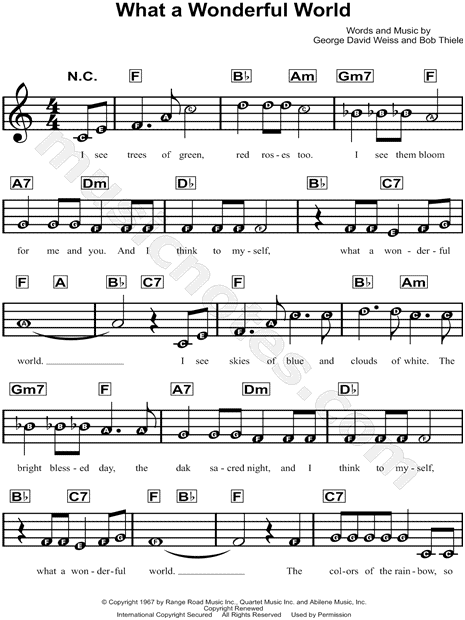
- Start with simple sheet music. Use flashcards for note names.
- Finger strength and independence
- Do slow technical exercises. Hanon or simple scales help.
- Boredom and motivation
- Pick songs you love. Set small rewards for milestones.
- Plateaus
- Change routine. Get a teacher or record yourself to find issues.
I once hit a two-year plateau. Switching repertoire and doing targeted exercises broke it in weeks. That’s proof that smart changes beat more time.

Practical practice plan: week-by-week
A clear plan answers “how difficult is piano to learn” by making it manageable. Try this simple weekly plan.
- Daily (20–30 minutes)
- Warm up: 5 minutes of scales or finger exercises.
- Technique: 10 minutes of targeted practice (hand independence, arpeggios).
- Repertoire: 10–15 minutes on one piece, slow and focused.
- Weekly (1 session)
- Record yourself and review.
- Spend one session sight-reading new material.
- Monthly
- Learn a new piece and perform it for a friend or teacher.
Short daily sessions build habit. I built my early technique with 25 minutes a day while working full time. It worked because I stayed consistent.
Learning methods and resources that help
Choosing the right method reduces how difficult is piano to learn. Here are proven options.
- Private lessons
- Personalized feedback. Fast progress.
- Online courses
- Flexible and structured. Good for self-starters.
- Apps and games
- Great for note reading and motivation.
- Group classes
- Community and performance practice.
- Books and method series
- Progressive lessons with exercises and repertoire.
Mix methods. I recommend a teacher plus a quality app for daily practice tracking. That combo cut wasted time in half for many of my students.
Mistakes to avoid and tips from my experience
Avoiding common errors makes learning less hard. These are lessons I learned the hard way and then shared with students.
- Don’t rush technique
- Speed without accuracy builds bad habits.
- Don’t skip theory
- Basic theory helps sight-reading and practice.
- Don’t ignore rhythm
- Use a metronome early.
- Don’t compare timelines
- Progress varies. Measure your own gains.
- Keep performances low-pressure
- Play for friends before public events.
I once pushed a student too fast. They burned out. Slowing down and simplifying the plan restored joy and progress within weeks. That taught me how important pacing is.
Choosing a beginner instrument and setup
Instrument quality affects how difficult is piano to learn. Here’s what to consider.
- Acoustic piano
- Great touch and tone. Needs tuning and space.
- Weighted digital piano
- Good feel, affordable, and portable.
- Keyboard
- Fine for starting, but aim for weighted keys eventually.
- Pedal and bench
- A stable bench and sustain pedal improve posture and sound.
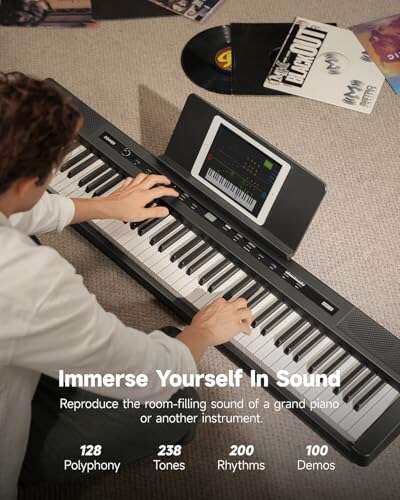
I recommend a weighted keyboard for beginners on a budget. It gives a closer feel to an acoustic piano and speeds learning.

Tracking progress and staying motivated
Tracking progress makes how difficult is piano to learn feel achievable. Use these simple habits.
- Keep a practice log with time and goals.
- Record monthly videos to see real improvement.
- Set 3-month goals and reward yourself when you reach them.
- Join small recitals or online groups for feedback.
I kept a video diary during a six-month push. Seeing tiny changes each week kept me motivated. It works the same for students.
Frequently Asked Questions of how difficult is piano to learn
Is piano harder to learn than guitar?
Both have challenges. Piano can be easier for reading harmony and playing full arrangements early. Guitar requires finger strength and chord shapes that take time.
Can an adult learn piano well?
Yes. Adults often learn faster because they practice with purpose and focus. Age is not a barrier to real progress.
How many hours a week are needed to improve?
Thirty minutes a day is a strong start. Consistent daily practice beats long weekend sessions. That totals about 3–4 hours a week.
Do you need to read music to play piano?
You can play by ear or use chord charts, but reading music opens more repertoire and speeds learning. It is worth learning early.
How long until I can play my favorite song?
Simple songs can be learned in a few weeks with focused practice. Complex favorites may take months or longer, depending on skill.
Will I need lessons forever?
Not necessarily. Lessons help most in early years and when tackling harder pieces. Many players shift to periodic coaching once they reach an intermediate level.
Conclusion
Learning piano is a journey. The question how difficult is piano to learn depends on your goals, practice, and patience. Start with small daily steps. Use good habits, the right tools, and feedback. Most people can play simple songs in weeks and build deeper skill over years. Try a 20–30 minute daily plan for one month and watch what changes.
Take action now: pick one short piece, set a 30-minute daily practice window, and record week one. Share your progress or questions in the comments or subscribe for weekly tips.

Senior Music Reviewer
Alex Carter is a seasoned music reviewer with over a decade of experience in the world of sound and instruments. Passionate about helping musicians and enthusiasts make informed choices, he brings sharp insights and in-depth knowledge to every review. From classical instruments to modern gear, Alex combines technical expertise with a love for music to deliver content that resonates with readers.
As a Senior Music Reviewer and expert author on Tuneluma.com, Alex is dedicated to sharing honest evaluations, practical advice, and thoughtful commentary to guide readers in their musical journey.