How To Read Notes For Piano: Simple Guide For Beginners
Reading piano notes starts with the staff, clefs, note names, and steady rhythm.
I’ve taught students and learned myself how to read notes for piano in clear, repeatable steps. This guide explains each piece of the puzzle: the staff, treble and bass clefs, ledger lines, rhythms, intervals, and practical sight-reading strategies. You’ll get easy exercises, real-world tips I learned over years of teaching, and mistakes to avoid so you can read music on the piano with confidence.
How to read notes for piano: the staff and clefs
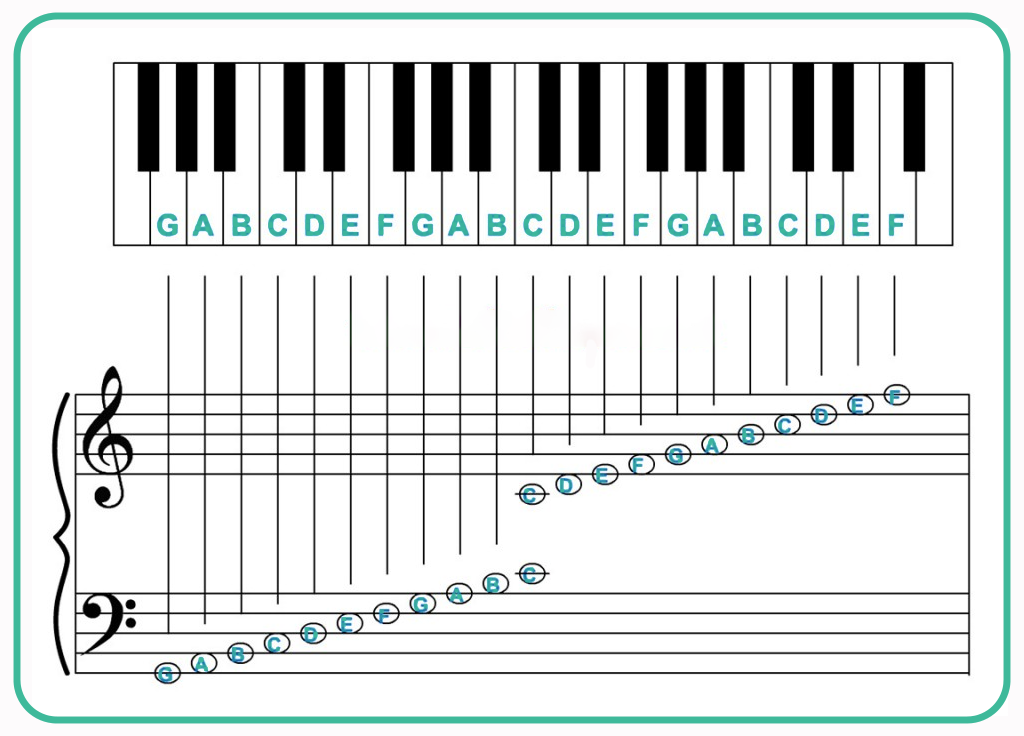
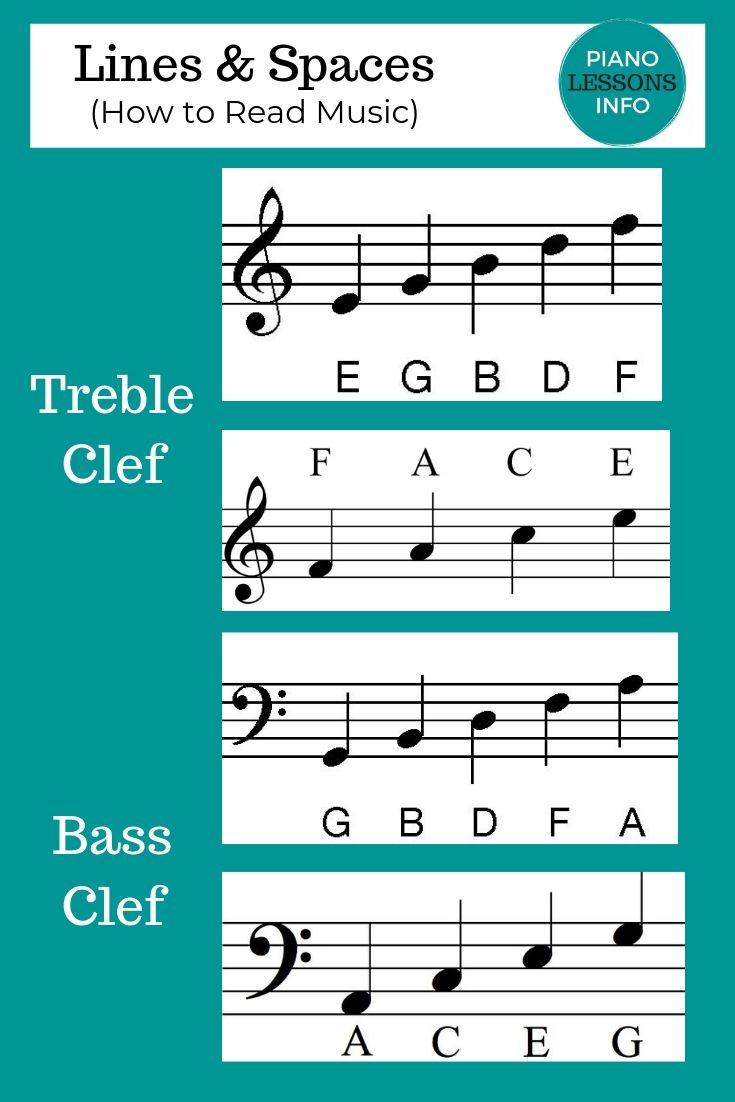
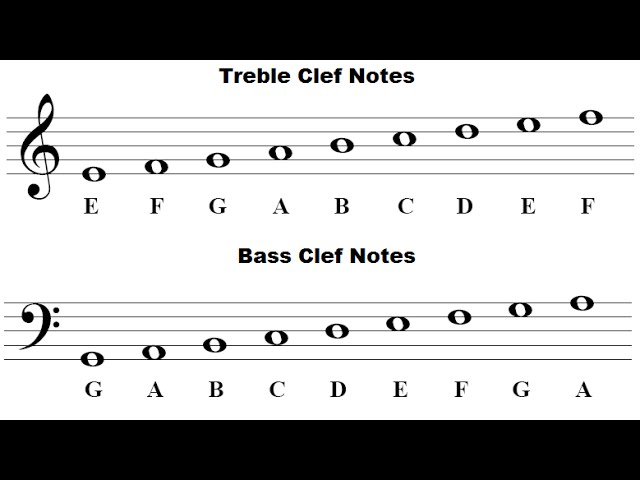
Start by seeing the staff. The staff has five lines and four spaces. Notes sit on lines or in spaces. Clefs tell you which notes each line and space represents.
Treble clef
- Treble clef usually reads the right-hand notes.
- Lines from bottom to top read E G B D F.
- Spaces from bottom to top read F A C E.
Bass clef
- Bass clef usually reads the left-hand notes.
- Lines from bottom to top read G B D F A.
- Spaces from bottom to top read A C E G.
Quick tip
- Use simple mnemonics to remember lines and spaces. I use short phrases with students. They stick fast and speed up learning.
Practice idea
- Draw a staff and label one clef at a time. Name each line and space aloud. Do this daily for short bursts.
Middle C, ledger lines, and note placement
Middle C connects the two clefs. It sits between the treble and bass staves. It often appears on a ledger line. Ledger lines extend the staff.
How to read ledger lines
- Count from the nearest line or space.
- Picture the staff continuing in the same pattern.
- Mark middle C first in any piece if you get lost.
Practical exercise
- Find middle C on your piano. Play it, then name notes above and below using ledger lines. Repeat in one-minute sessions.
Real-world tip
- I used sticky notes on the fallboard early on. That visual helped me stop guessing and start recognizing quickly.
Note names, octaves, and the piano keyboard
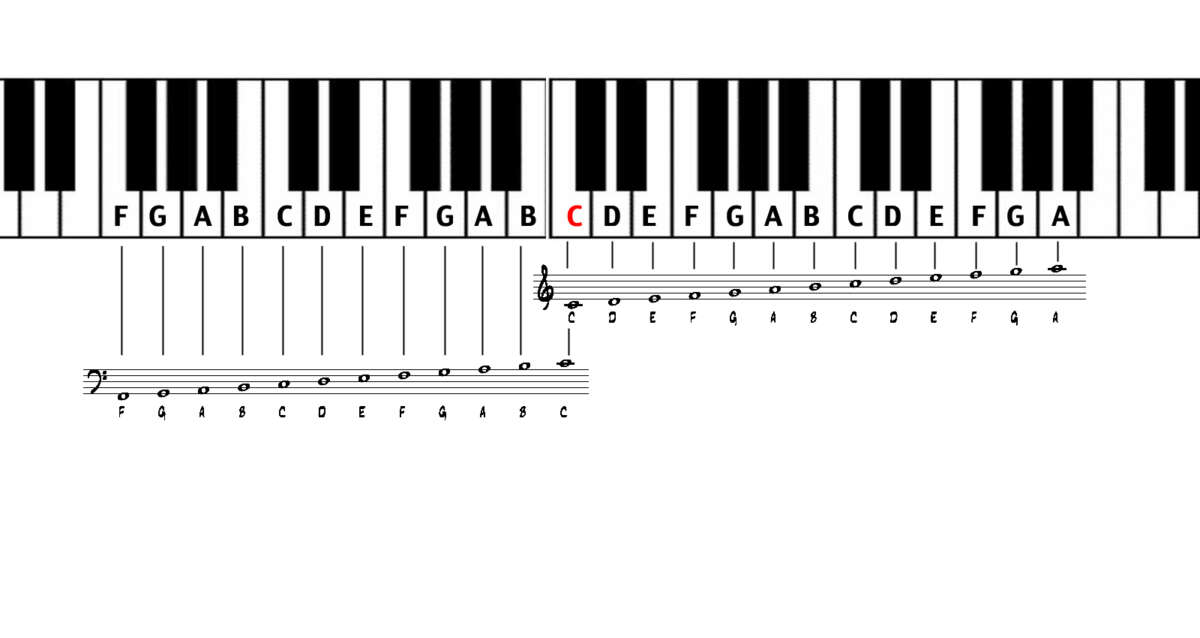
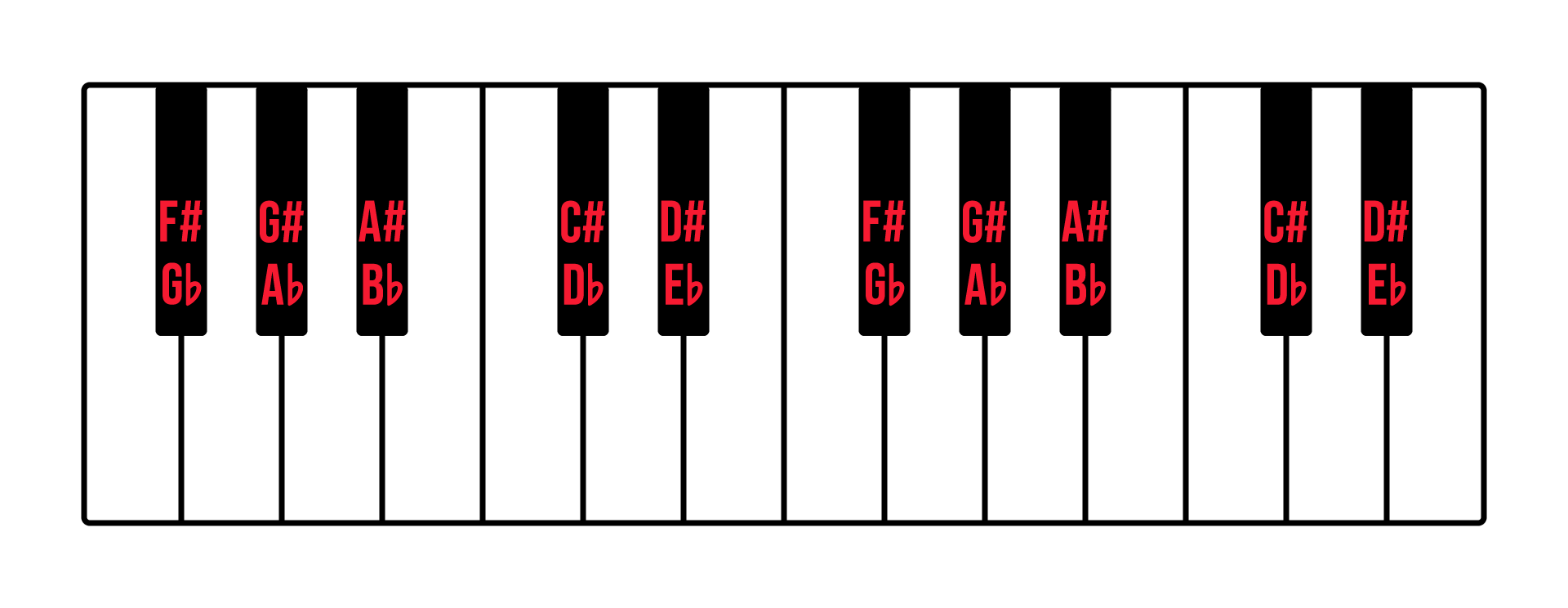
The piano keyboard repeats letter names from A to G. Each repeat is an octave. Middle C is a reference point. Match staff notes to keys.
How to map notes to keys
- Label one octave on your keyboard with letters if you’re a beginner.
- Play the note after you name it on the staff.
- Practice mapping treble notes with your right hand and bass notes with your left hand.
Common practice
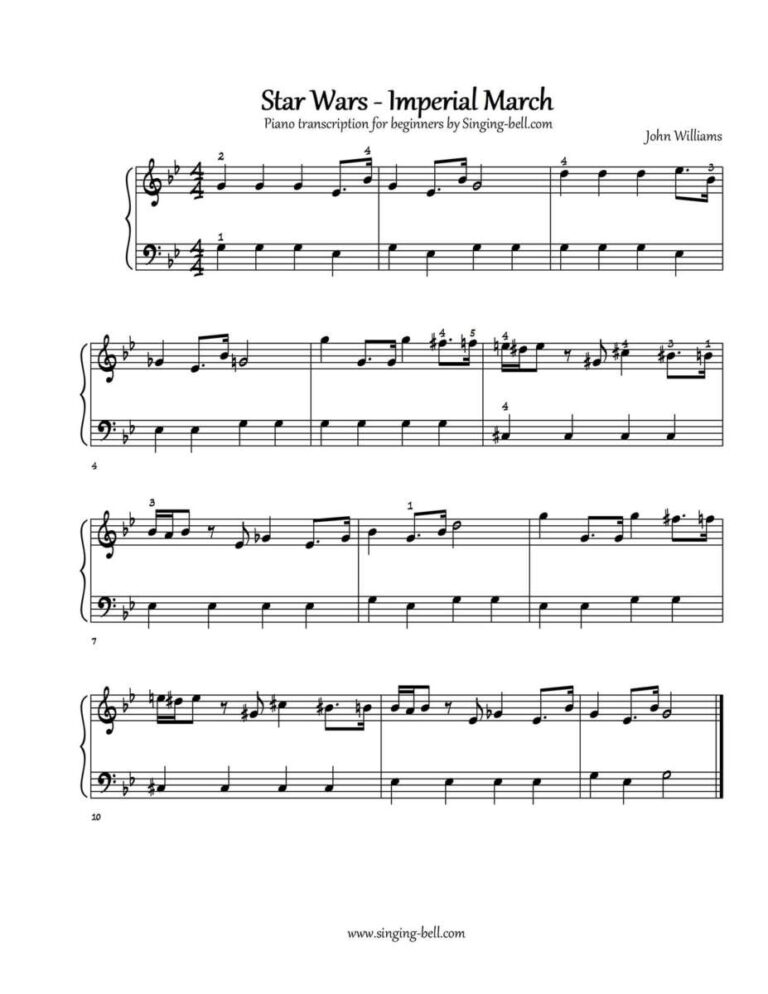
- Pick a simple melody. Trace the notes on the staff and play them slowly. Name each note aloud as you play.

Rhythm basics: note values and counting
Reading notes for piano is half notes, half counting. Rhythm tells you duration. Learn basic values first.
Common note values
- Whole note: four beats.
- Half note: two beats.
- Quarter note: one beat.
- Eighth note: half a beat.
- Sixteenth note: quarter of a beat.
Counting methods
- Count out loud or tap your foot.
- Use “1 and 2 and” for eighth notes.
- Keep a steady pulse. Rhythm without steady pulse makes reading slow and sloppy.
Practice rhythm
- Clap rhythms before playing. Mark beats on the staff with numbers if needed.
Reading intervals and patterns, not just single notes
Good sight reading uses patterns. Intervals are the distance between two notes. Recognizing shapes speeds reading.
Why intervals matter
- Many melodies repeat intervals.
- Chords are stacks of intervals. Learn common chord shapes.
- Scales are predictable interval patterns.
Practice tips
- Sing or hum intervals aloud.
- Label intervals like “third” or “fifth” on the staff.
- Practice recognizing common patterns like scales, arpeggios, and stepwise motion.

Fingerings and hand position for reading music
How you place your hands helps reading. Finger numbers stay consistent. Good fingering makes passages smoother.
Basic finger rules
- Thumb is 1, pinky is 5.
- Use thumb on middle C often in beginner pieces.
- Plan finger changes before they’re needed.
Personal tip
- I mark tricky fingerings in pencil. It saves practice time and avoids bad habits.
Sight-reading strategies to improve quickly
Sight-reading is a skill you can build. Use short, focused routines. Practice often and lightly.
Daily routine
- Scan the piece for key signature, time signature, and repeats.
- Identify difficult spots and try them hands separately.
- Play once through without stopping. Keep going even after mistakes.
- Increase tempo slightly over weeks as accuracy improves.
Tools that help
- Use a metronome to keep steady time.
- Play duets or with backing tracks to simulate ensemble contexts.
My experience
- I saw steady gains by practicing sight-reading 10 minutes daily. Progress was faster than only slow practice.

Common mistakes and how to fix them
Beginners make some predictable errors. Spot them early to fix things fast.
Mistake: reading note-by-note slowly
- Fix: Look ahead and read in small groups of notes. Practice scanning.
Mistake: ignoring rhythm while focusing on pitches
- Fix: Clap rhythm separately then add pitches.
Mistake: relying on patterns rather than note names
- Fix: Alternate practice: one week focus on names, next week on intervals.
Mistake: poor hand position
- Fix: Work on posture and relaxed wrists. Use correct fingerings.
Personal caution
- I once rushed practice and reinforced mistakes. Short, mindful practice is more effective than long, careless sessions.

Practice plan: 30-day roadmap to read notes for piano
A clear plan helps. Do short, frequent sessions. Track progress.
Week 1
- Learn staff, clefs, and middle C.
- Map keys for 15 minutes daily.
Week 2
- Add note naming and ledger lines.
- Practice simple melodies and label notes.
Week 3
- Introduce rhythms and counting.
- Clap and play simple pieces.
Week 4
- Work on intervals and sight-reading.
- Play one new short piece each day.
Progress check
- Record a short clip every week. Compare recordings to hear improvement.
Tools and resources that speed learning
Good tools make practice efficient. Use a mix of analog and digital resources.
Useful tools
- A simple metronome app.
- Printed beginner sight-reading books.
- Flashcards for note recognition.
- Slow-down playback for tricky passages.
How to choose resources
- Pick material slightly below your hardest level. That builds confidence.
- Rotate repertoire to keep practice fresh.
Personal tips, mistakes I learned, and final practical advice
Be patient. Learning how to read notes for piano takes steady, focused practice. Small wins compound.
What helped me most
- Short daily sessions instead of long, infrequent ones.
- Labeling notes aloud while playing.
- Practicing hands separately, then together.
Mistakes I made
- Skipping rhythm practice and focusing only on notes.
- Ignoring fingerings until errors became habits.
- Practicing too long without breaks.
Practical wrap-up
- Keep a practice journal with small goals.
- Teach a friend or student a bit; teaching reinforces your own reading skills.
Frequently Asked Questions of how to read notes for piano
How long does it take to learn how to read notes for piano?
Most beginners can read basic notes within a few weeks with daily practice. Fluency and speed usually take months of measured practice.
Can I learn how to read notes for piano by myself?
Yes. With the right resources and consistent practice, self-learners can progress quickly. Structured exercises and feedback speed up learning.
Should I learn to read both clefs at the same time?
You can start with one clef and add the other after a few weeks, or learn both concurrently in small doses. Many find learning treble first easier, then adding bass.
Does learning note names matter if I play by patterns?
Learning note names builds a strong foundation and helps with music theory. Patterns help speed reading, so use both approaches together.
What is the best daily routine to learn how to read notes for piano?
Short, focused sessions work best: 10–15 minutes of note reading, 10 minutes rhythm practice, and 10 minutes sight-reading. Consistency beats session length.
Conclusion
Reading music for the piano becomes clear when you break it into parts: staff and clefs, note names and placement, rhythm, intervals, and steady practice. Start small, practice daily, and use short, focused drills to build accuracy and speed. Try the 30-day plan and track one measurable goal each week. Ready to improve? Start a five-minute naming drill now, leave a comment about your progress, or subscribe for more practical piano tips.

Senior Music Reviewer
Alex Carter is a seasoned music reviewer with over a decade of experience in the world of sound and instruments. Passionate about helping musicians and enthusiasts make informed choices, he brings sharp insights and in-depth knowledge to every review. From classical instruments to modern gear, Alex combines technical expertise with a love for music to deliver content that resonates with readers.
As a Senior Music Reviewer and expert author on Tuneluma.com, Alex is dedicated to sharing honest evaluations, practical advice, and thoughtful commentary to guide readers in their musical journey.