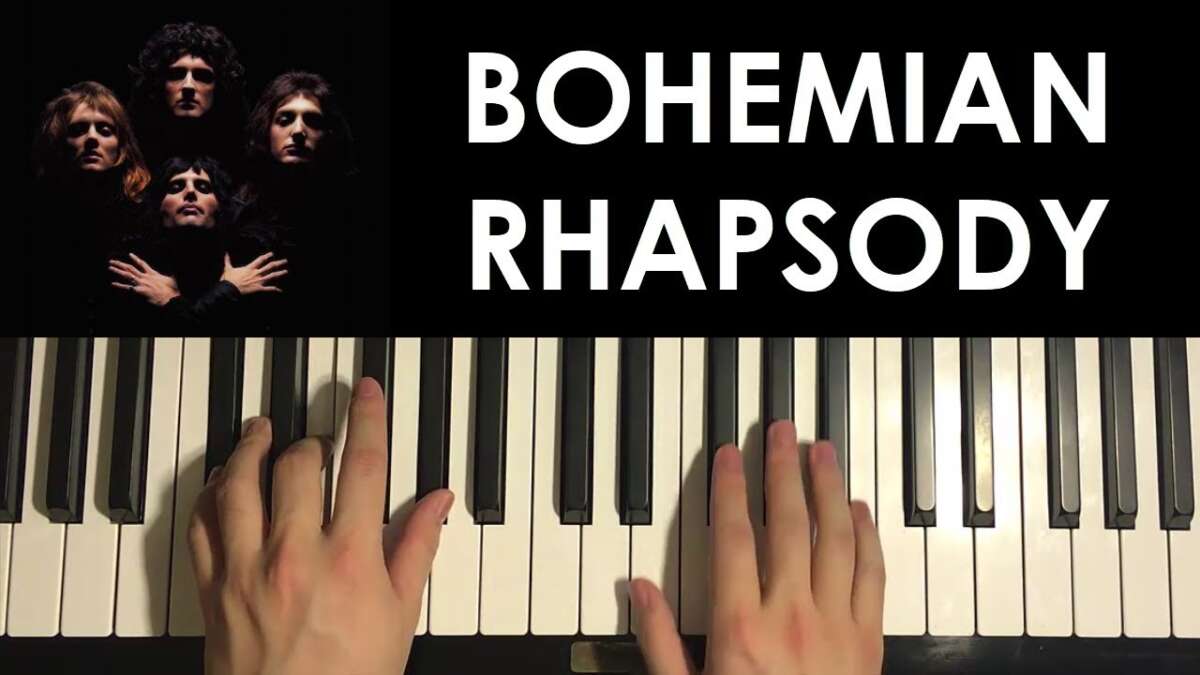
How To Play Queen Bohemian Rhapsody On Piano: Easy Tutorial
Learn the opening chords and structure, then practice each section slowly and connect them.
I’ve taught and learned many complex songs, and I’ll walk you through exactly how to play queen bohemian rhapsody on piano from the first chord to the final cadence. This guide breaks the song into workable parts, shows fingering, offers a beginner arrangement, and maps a practice plan so you can perform with confidence. You’ll get tips from my own studio experience, clear exercises, and step-by-step methods tailored to different skill levels. Read on to master how to play queen bohemian rhapsody on piano with musicality and efficiency.
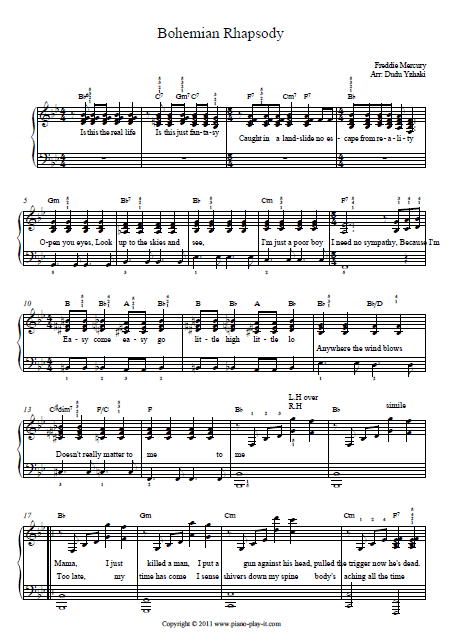
Understanding Bohemian Rhapsody’s piano parts
Bohemian Rhapsody is a multi-section epic. To learn how to play queen bohemian rhapsody on piano, treat it like linked mini-songs: the ballad, the operatic section, the rock segment, and the reflective outro. Each part has its own tempo, texture, and technical demands.
Key facts to know:
- The original key moves between B-flat major and other tonal centers.
- The opening piano is sparse and chordal, ideal for learning touch and voicing.
- The operatic section relies on fast staccato chords and cluster textures.
Breaking the song into sections makes learning how to play queen bohemian rhapsody on piano manageable and musical. Start slowly and focus on transitions between sections to keep the story intact.
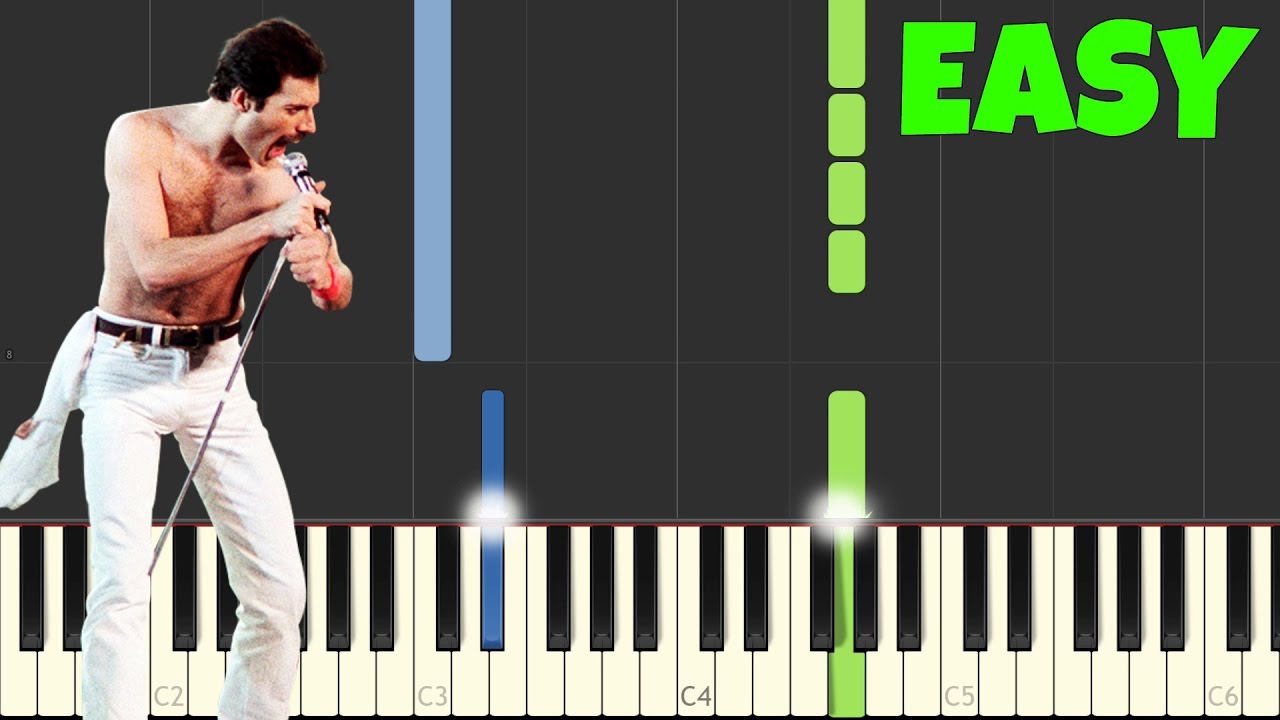
What you need before you start
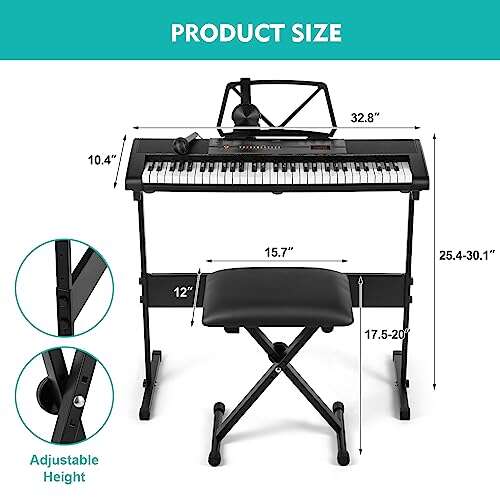
Before attempting how to play queen bohemian rhapsody on piano, ensure you have the right tools and basics in place. A piano or weighted keyboard, a metronome, and a clean, readable score will help you progress faster.
Essentials:
- A full-size or 88-key instrument for accurate voicings and range.
- Sheet music or a reliable arrangement that matches your skill level.
- Basic skills: reading treble and bass clefs, simple syncopation, and basic chord shapes.
If you lack sheet music, use a trusted arrangement or an official piano/vocal score. Having a clear learning plan will speed up how to play queen bohemian rhapsody on piano without frustration.

Step-by-step method to learn how to play queen bohemian rhapsody on piano
This step-by-step approach will get you from zero to a cohesive performance. Follow each step and don’t rush the transitions.
-
Analyze the score
- Scan the full piece to mark sections, repeats, and key changes.
- Note tricky rhythms and chord voicings before you begin hands-on practice.
-
Learn the ballad section first
- Play left-hand root notes and right-hand melody slowly.
- Isolate measures that feel awkward and loop them.
-
Practice the operatic section in short bursts
- Clap the rhythm first, then play chords with one hand.
- Gradually add speed, ensuring accuracy before increasing tempo.
-
Tackle the rock section with power and control
- Use a stronger touch and lighter pedal use for clarity.
- Practice handed coordination and accents separately.
-
Connect sections and refine dynamics
- Work transitions slowly and count beats to align tempo changes.
- Map out crescendos and rubato moments to keep the drama.
This plan frames how to play queen bohemian rhapsody on piano into small wins. Focus on hands-separately practice, slow repetition, and careful transitions to build confidence.
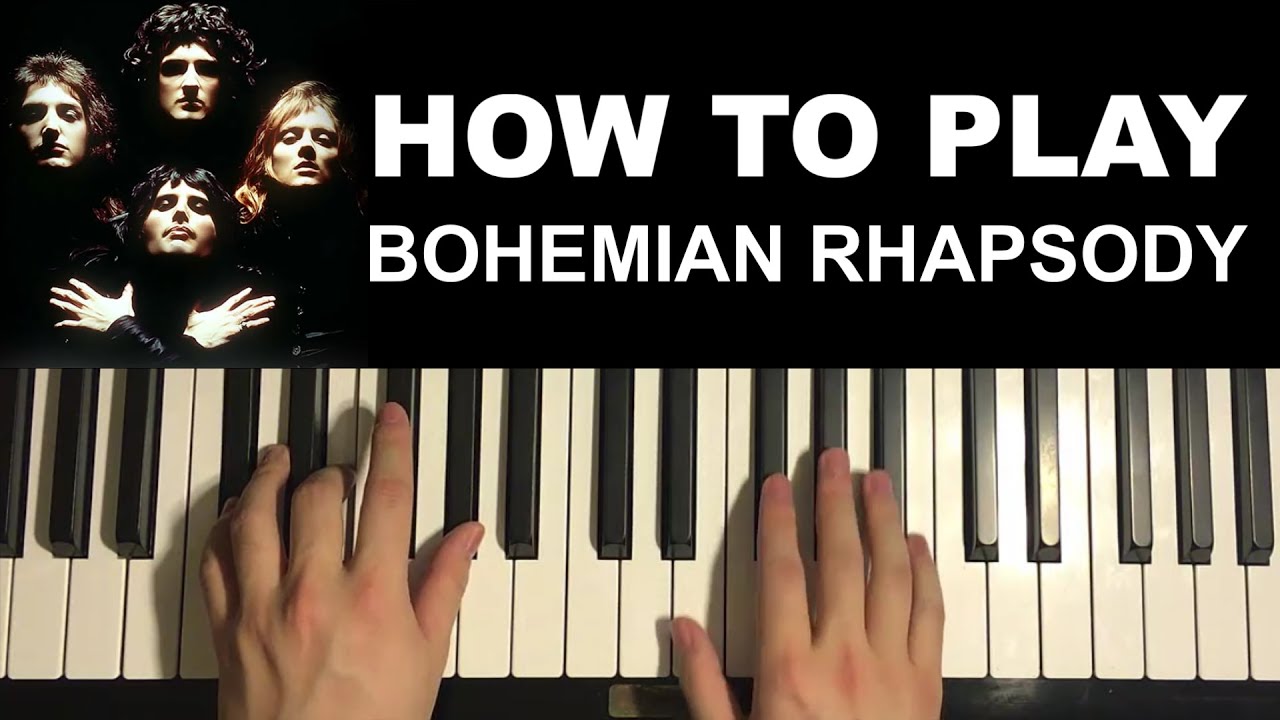
Simplified beginner arrangement
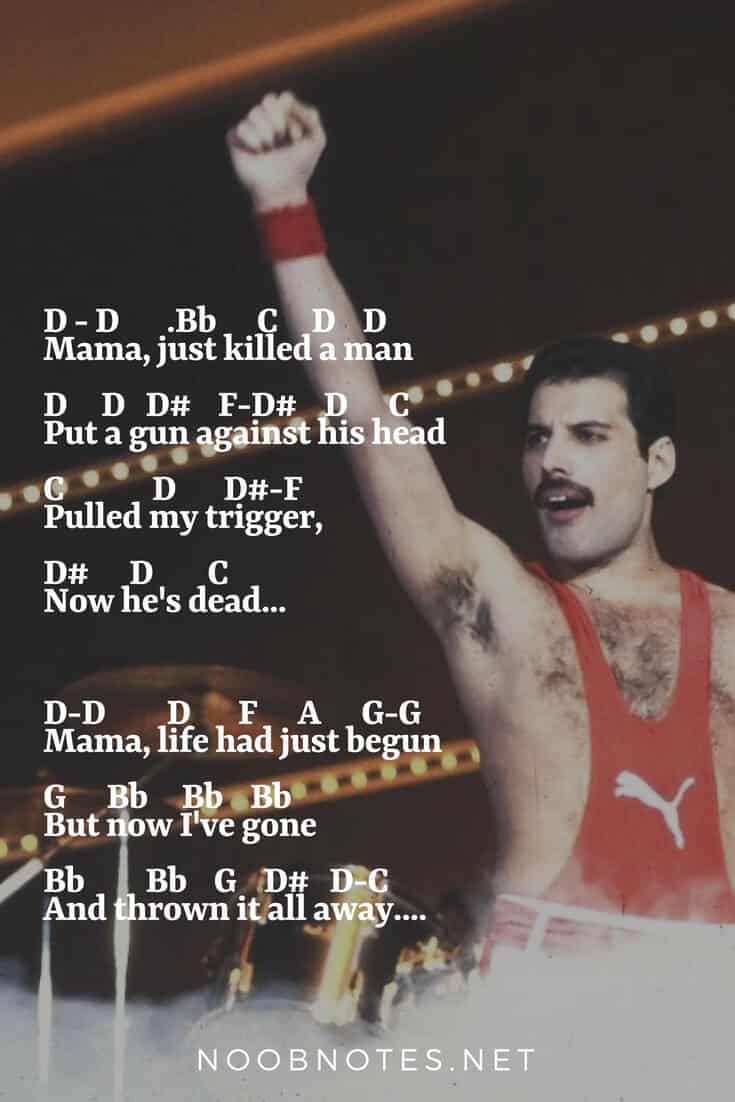
If you’re new to how to play queen bohemian rhapsody on piano, a stripped-down version helps you capture the song’s spirit while building skills. Use open fifths, single-note bass, and the melody in the right hand.
Basic layout:
- Verse: Left hand plays bass roots on beats 1 and 3, right hand plays vocal melody.
- Chorus: Right hand doubles melody with simple block chords.
- Operatic cues: Reduce to short, repeated chord hits and sing the lines if possible.
A simple arrangement reduces technical load while teaching structure. Learning this version makes the full arrangement much less daunting when you’re ready.

Intermediate to advanced arrangement tips
When progressing beyond the simplified version, add voice leading, fuller left-hand patterns, and more accurate voicing. These elements bring the piece closer to the original.
Advanced tips:
- Use inner voice movement to connect chords smoothly.
- Add rolled chords and tasteful pedal for sustain without blur.
- Emphasize melodic top notes and keep accompaniment softer.
Practicing how to play queen bohemian rhapsody on piano at this level means balancing clarity with drama. Record your takes and compare to develop phrasing and timing.

Rhythm, timing, and dynamics
Bohemian Rhapsody lives in its contrasts. Mastering rhythm and dynamics is essential to capture its drama and humor. Focus on tempo changes and the precise cutoffs in the operatic section.
Practice strategies:
- Use a metronome and mark tempo changes on your score.
- Clap complex rhythms before playing them.
- Write dynamic marks and stick to them while practicing.
Paying attention to phrasing and dynamics is a core part of how to play queen bohemian rhapsody on piano convincingly. Small dynamic choices make large dramatic effects.
Practice plan and troubleshooting
A structured plan keeps practice efficient and motivating. Aim for consistent, focused sessions rather than marathon plays. This is the practical way to learn how to play queen bohemian rhapsody on piano.
Weekly plan:
- Day 1: Hands separate on problem measures, slow tempo.
- Day 2: Hands together for 5–10 measured sections.
- Day 3: Focus on transitions and tempo changes.
- Day 4: Dynamics and phrasing rehearsal.
- Day 5: Full run-through at tempo, record and listen.
Troubleshooting common problems:
- If fingers get tangled, slow the tempo to 50% and focus on accuracy.
- If pedal blurs sound, reduce pedal usage and try half-pedaling.
- If the operatic section feels rushed, practice short loops with rhythmic precision.
Follow this plan and you’ll see steady improvement in how to play queen bohemian rhapsody on piano. Small, consistent practice beats rare long sessions.

Personal lessons and common mistakes
I taught this song to students who felt overwhelmed at first. The biggest lesson: chunking and repetition beat memorizing the whole piece. Here’s what I learned and what to avoid.
Real-world tips:
- Start with the melody and harmonly; layering is easier than starting full-score.
- Avoid practicing too fast; mistakes become habits when rushed.
- Use mental practice away from the piano to internalize structure and phrasing.
Common mistakes to avoid while learning how to play queen bohemian rhapsody on piano:
- Trying to do the operatic section at full speed too soon.
- Over-pedaling, which blurs the texture.
- Ignoring transitions—these are where the song can lose cohesion.
These lessons come from years of teaching and performing. They speed up progress and reduce frustration.

Frequently Asked Questions of how to play queen bohemian rhapsody on piano
What key is Bohemian Rhapsody in and does it change?
Bohemian Rhapsody primarily sits in B-flat major for the ballad sections, but it moves through several tonal centers. Expect modulations and prepare to adjust fingerings for new key areas.
How long will it take to learn how to play queen bohemian rhapsody on piano?
Time depends on your skill level; a dedicated intermediate player can learn a simplified version in a few weeks. Full, polished arrangements often take several months of consistent practice.
Should I learn hands separately or together?
Start hands separately for difficult passages, then move to hands together in short sections. This method reduces errors and builds coordination efficiently.
Do I need to use the damper pedal for this song?
Use the pedal sparingly for clarity; heavy pedaling can blur the complex textures. Practice without pedal first, then add light pedal where needed.
Can a beginner play the operatic section?
Beginners can play a simplified operatic version focusing on chord hits and rhythm. The full operatic section is challenging and suits intermediate to advanced players.
Conclusion
Mastering how to play queen bohemian rhapsody on piano takes patience, structure, and focused practice. Break the song into parts, use hands-separate work, and build dynamics and timing slowly. Start with a simplified arrangement, progress with voice leading and technique, and use a consistent weekly plan to improve. Put these steps into practice, record your progress, and share your performance to get feedback. If you found this guide helpful, try one focused practice session tonight and leave a comment about your progress.

Senior Music Reviewer
Alex Carter is a seasoned music reviewer with over a decade of experience in the world of sound and instruments. Passionate about helping musicians and enthusiasts make informed choices, he brings sharp insights and in-depth knowledge to every review. From classical instruments to modern gear, Alex combines technical expertise with a love for music to deliver content that resonates with readers.
As a Senior Music Reviewer and expert author on Tuneluma.com, Alex is dedicated to sharing honest evaluations, practical advice, and thoughtful commentary to guide readers in their musical journey.