How To Play Right Handed Guitar Left Handed: Easy Tips
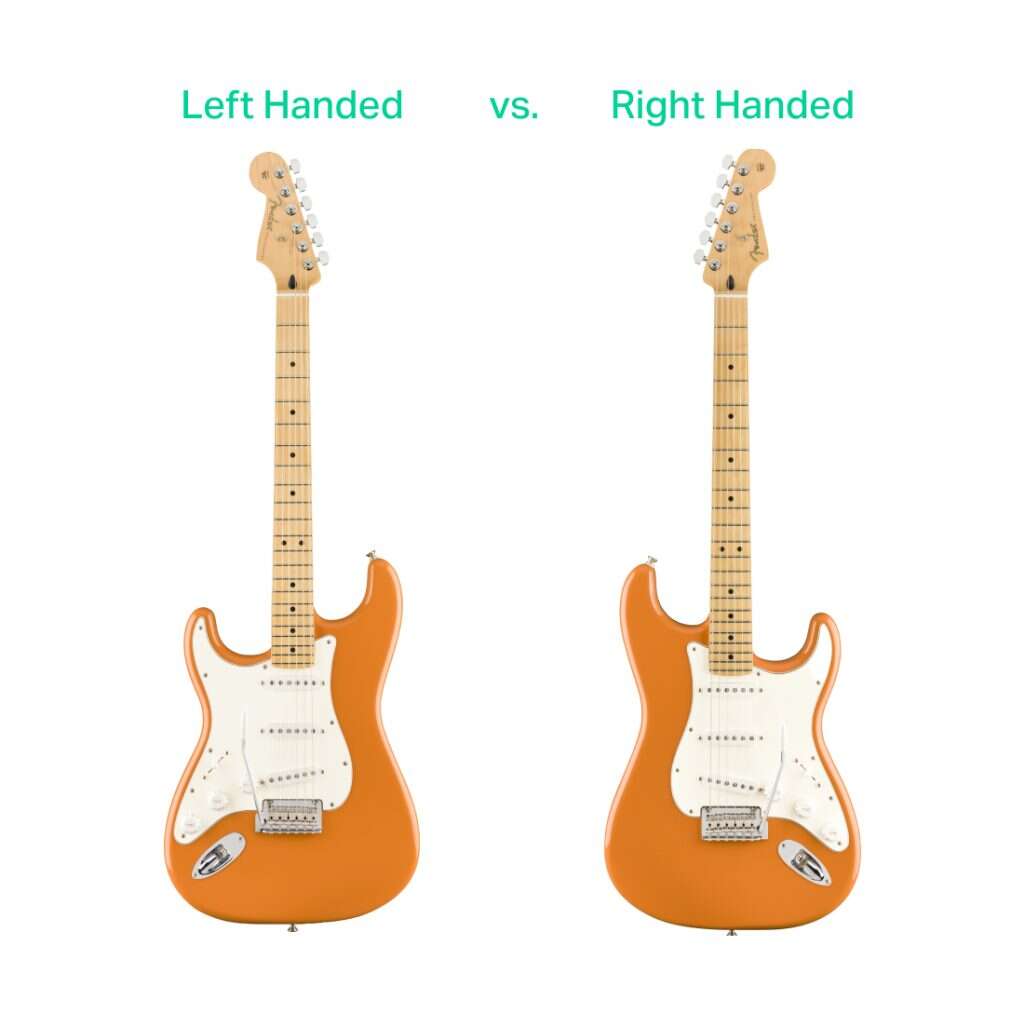
You can play a right-handed guitar left-handed by flipping and restringing it or by adapting your technique.
I’ve taught and reworked dozens of guitars for left-handed players. This guide explains how to play right handed guitar left handed with clear steps, real-world tips, and setup advice. I will show setup choices, restringing, nut and bridge changes, technique shifts, practice plans, and when to buy a left-handed guitar instead. Read on for actionable guidance from experience and expert practice methods.

Why some players choose to play a right-handed guitar left-handed
Many left-handed players start on right-handed guitars due to availability or cost. Playing a right-handed guitar left-handed lets you use a familiar instrument without waiting for a lefty model. The decision affects setup, playability, and tone, so it deserves care.
I have converted guitars and taught left-handers for years. The trick is choosing the right approach for your skill level and budget. This section explains the common reasons and practical trade-offs when you play right handed guitar left handed.
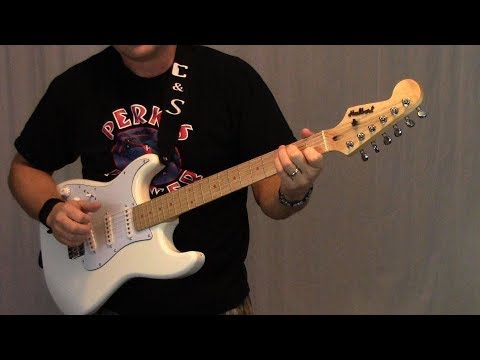
Practical options to play a right-handed guitar left-handed
There are three main ways to approach a right-handed guitar for left-handed play. Each has pros and cons. Choose based on comfort, tone needs, and how long you will use the guitar.
-
Flip the guitar without restringing
- Simply hold the guitar upside down and play with the strings reversed.
- Pros: Fast and free. No tools needed.
- Cons: Chord shapes are mirrored; pickups and controls sit upside down.
-
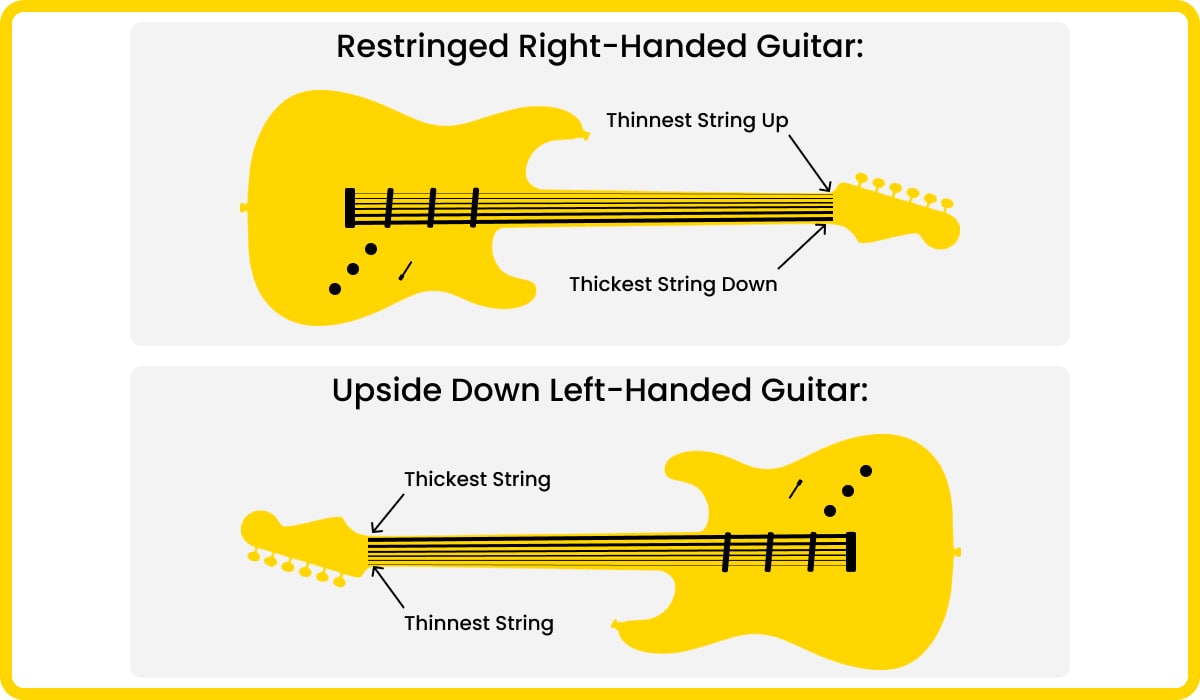
Flip and restring the guitar
- Remove strings and restring in mirror order so low E is on top.
- Pros: Familiar chord shapes and normal pickup balance.
- Cons: Nut, saddle, and intonation may need adjustment.
-
Modify or professional retrofit
- File or replace the nut, move bridge saddle, and re-route electronics if needed.
- Pros: Best playability and tone for long-term use.
- Cons: Higher cost and requires luthier skills or professional setup.
I often recommend restringing and a basic nut adjustment for long-term comfort. If you want to know how to play right handed guitar left handed with minimal compromises, restring and set up the instrument properly.

How to restring and set up a right-handed guitar for left-handed play
Restringing is the most common and practical way to play right handed guitar left handed. Do it carefully to avoid setup issues.
- Tools you need
- String winder, wire cutters, tuner, screwdriver, Phillips and flathead, hex wrench.
- Restring steps
- Loosen and remove old strings.
- Place strings in reverse order so the low E sits on the neck top for left-handed playing.
- Wind strings evenly and tune to pitch.
- Nut and saddle tweaks
- Check nut slot widths; low strings may sit too low in a high slot. File or replace the nut if necessary.
- Adjust bridge saddle position for intonation after restringing.
- Truss rod and action
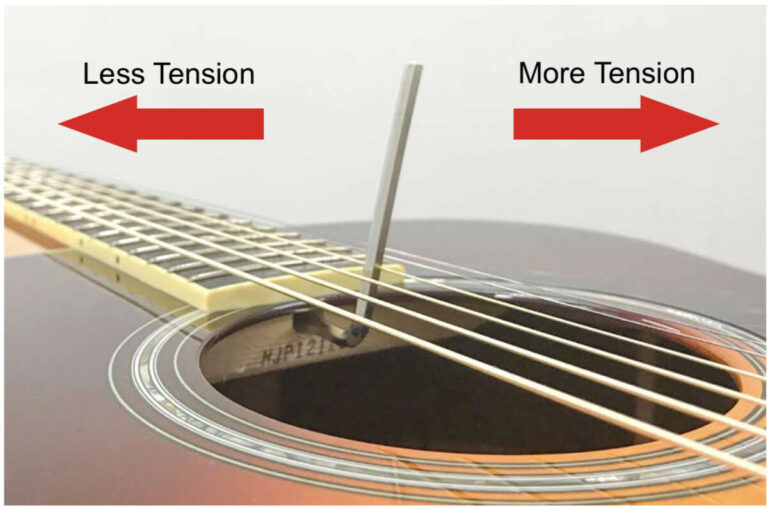
- Tension changes can alter neck relief. Check truss rod and set action for comfortable fretting.
- Pickup and control orientation
- Pickups will face the same but string balance changes. Consider pickup height tweaks for balanced output.
I once restrung a Strat for a left-hander and needed to file the nut and lower the bridge saddle slightly. The tone improved and chord voicings felt natural after the setup.

Technique adaptations: chord shapes, strumming, and picking for left-handed play
Playing a right-handed guitar left-handed changes which hand frets and which hand strums. This shift influences technique and practice focus.
- Chord shapes and scales
- If you restring, shapes remain standard. Practice chords slowly to build fretting strength.
- If you flip without restringing, learn mirrored shapes or adapt by learning songs by ear.
- Strumming and rhythm
- Your dominant right hand will now fret. Practice left-hand strumming or adapt with right-hand rhythm for flipped setups.
- Work on consistent down/up motion and dynamics. Use a metronome.
- Picking techniques
- Alternate picking, hybrid picking, and fingerstyle need repetitive practice to develop accuracy.
- Start with simple patterns and increase speed gradually.
- Left-hand fretting strength
- Build calluses and finger independence with daily exercises and scale drills.
From my teaching, disciplined practice matters most. Spend 10–20 minutes daily on fretting drills and 10–20 minutes on rhythm. That consistency accelerates adapting to how to play right handed guitar left handed.
Gear considerations: modifications, tools, and when to buy a left-handed guitar
Not every guitar responds well to being flipped and restrung. Know what to expect so you can plan mods or decide if a left-handed guitar is better.
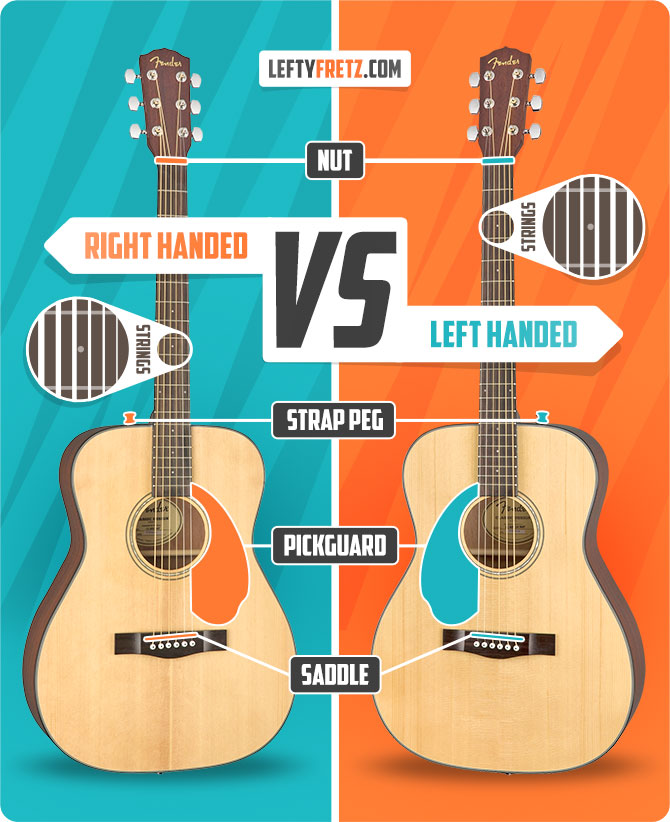
- Nut and slot sizing
- Nuts are cut for string order. Restringing may require a new nut or filing.
- Bridge and intonation
- Fixed saddles may need repositioning. Tremolo systems can be tricky to flip.
- Pickup direction and pole piece alignment
- Some pickups are voiced asymmetrically. Flipping may change string balance.
- Control and jack placement
- Controls might be awkwardly placed when the guitar is flipped. Consider modest body routing or accept the difference.
- When to buy left-handed
- Buy a left-handed guitar if you want worry-free setup, better resale value, or if the retrofits cost as much as a new instrument.
I advised a student to buy a left-handed acoustic after several failed retrofits. It saved time and delivered better tone. For electric players, custom setup often works well and is cheaper than a high-end lefty model.

Practice plan and exercises to transition smoothly
A clear practice plan reduces frustration and builds skill faster when you play right handed guitar left handed.
- Week 1: fundamentals
- Daily 15-minute fretting drills. Simple open chords. Tune and clean the guitar each session.
- Week 2: rhythm focus
- 15 minutes of strumming patterns with a metronome. Play along with simple songs.
- Week 3: scales and timing
- Practice major and minor pentatonic scales. Add alternate picking exercises.
- Week 4: songs and application
- Learn complete songs. Focus on transitions, endurance, and dynamics.
- Maintenance routine
- Weekly check for intonation and action. Monthly string changes until you find your ideal set.
I followed this plan when I switched a student to left-handed play. Progress was steady and confidence grew fast with short, focused sessions.
Common mistakes and troubleshooting
Expect bumps. Troubleshoot methodically to avoid frustration when you play right handed guitar left handed.
- Intonation problems
- Check saddle position after restringing. Use a tuner and adjust until notes at 12th fret are in tune.
- High or low action
- If action is too high, lower the saddle or adjust truss rod carefully. If too low, check for buzzing and adjust nut.
- Uneven string volume
- Adjust pickup height or pole pieces to balance output across strings.
- Pain and fatigue
- Build fretting strength slowly. Use short practice bursts and stretch fingers before playing.
- Awkward control layout
- Consider modest body routing or learn to adapt to switched control positions.
When I retrofitted a guitar, a buzzing low E took time to diagnose. The fix was a slight nut shim and a saddle move. Small changes can solve big issues.

Cost and time estimates: what to expect
Knowing cost and time helps you decide how to play right handed guitar left handed.
- DIY restring and basic setup
- Cost: $10–$50 for strings and tools. Time: 1–2 hours.
- Professional setup and nut work
- Cost: $50–$150 depending on labor. Time: a few days turnaround.
- Full retrofit or routing
- Cost: $150–$400 or more for routing and pickup work. Time: one week or more.
- Buying a left-handed guitar
- Cost: varies widely. Entry-level lefty guitars start affordably, while high-end instruments cost much more.
Budget for both equipment and lessons. Proper setup saves time and improves enjoyment when you play right handed guitar left handed.

Frequently Asked Questions of how to play right handed guitar left handed
How hard is it to change a right-handed guitar to left-handed?
Changing a guitar by restringing is easy for most players and takes under an hour. Nut or bridge changes require basic setup skills or a professional.
Can I keep the same chord shapes if I play a right-handed guitar left-handed?
If you restring the guitar to standard string order, chord shapes remain the same. If you flip without restringing, shapes are mirrored and require relearning.
Will flipping a guitar affect tone or intonation?
Flipping alone changes string orientation and can affect saddle and nut fit, which alters intonation and action. Proper setup after restringing minimizes tone issues.
Do I need special tools to modify the nut or bridge?
Basic tools help, but filing a nut or adjusting saddles is best done by a luthier if you lack experience. Incorrect work can harm playability.
When should I buy a left-handed guitar instead of converting one?
Buy a left-handed guitar if the retrofit costs approach the price of a lefty model, or if you want ideal ergonomics and resale value. For casual players, converting is often enough.
How long does it take to become comfortable playing left-handed?
Comfort varies, but many players feel comfortable within 2–8 weeks with daily practice. Regular short sessions speed adaptation.
Conclusion
Switching to play right handed guitar left handed is practical and often rewarding. You can flip and play immediately, restring for familiar shapes, or invest in a professional retrofit for the best feel. Focus on proper setup, steady practice, and small, measurable goals.
Take the next step today: try a simple restring, book a setup if needed, and follow a short weekly practice plan. Share your progress or questions in the comments or subscribe for more setup and practice guides.

Senior Music Reviewer
Alex Carter is a seasoned music reviewer with over a decade of experience in the world of sound and instruments. Passionate about helping musicians and enthusiasts make informed choices, he brings sharp insights and in-depth knowledge to every review. From classical instruments to modern gear, Alex combines technical expertise with a love for music to deliver content that resonates with readers.
As a Senior Music Reviewer and expert author on Tuneluma.com, Alex is dedicated to sharing honest evaluations, practical advice, and thoughtful commentary to guide readers in their musical journey.