How To Play Great Balls Of Fire Piano: Easy Step Guide
Play the iconic boogie-woogie riff with fire: strong left hand, loose right hand, lots of swing.
I’ve taught and played this song on stages and in living rooms for years, so I know what clicks and what trips people up when they learn how to play great balls of fire piano. This guide breaks the tune down into bite-size steps, practical drills, and performance tips so you can play the riff, fills, and solo runs with confidence and flair. Read on for clear, tested methods to master this classic rock ’n’ roll piano tune.

Why Great Balls of Fire works on piano
Great Balls of Fire is built on boogie-woogie energy. The song’s drive comes from a steady left-hand pattern and flashy right-hand fills. That combo makes it ideal to learn piano showmanship and rhythmic feel. If you want to know how to play great balls of fire piano, understand that groove first.

Key musical elements to master
Start with a few core pieces. Master these and the rest follows.
- Left-hand bass ostinato: steady eighth-note boogie pattern that anchors the song.
- Right-hand riffs: short, repeated melodic motifs that use chromatic runs.
- Rhythm and swing: slight delay on the off-beat gives it bounce.
- Dynamics and accents: stomps and hits make the tune exciting.
To learn how to play great balls of fire piano, practice each element slowly, then combine them.

Step-by-step tutorial: how to play great balls of fire piano
Follow these steps in order.
- Learn the basic left-hand pattern
- Play a repeated root–sixth–root–fifth pattern in 8th notes.
- Use relaxed wrist motion and keep a steady pulse.
- Add the main right-hand riff
- Play short, punchy phrases around the tonic and dominant.
- Use small wrist flicks for speed.
- Connect riff to fills
- Practice a short chromatic run to bridge repeating phrases.
- Stay relaxed to keep the run clean.
- Increase tempo gradually
- Use a metronome. Add 5 BPM only after 10 clean repetitions.
- Speed comes from relaxed motion, not tension.
If you want a repeatable plan on how to play great balls of fire piano, loop steps 1–3 daily.

Practical exercises and drills
Targeted drills will speed your progress.
- Slow boogie with metronome: 3 minutes at slow tempo, focus on even eighths.
- Two-bar riff loop: repeat the right-hand phrase 50 times without mistakes.
- Chromatic run practice: start on a single finger pattern and move up the scale.
- Accent drill: play the left hand soft, right hand loud, then switch.
I used these drills when I taught beginners to play how to play great balls of fire piano; they build stamina and clarity fast.
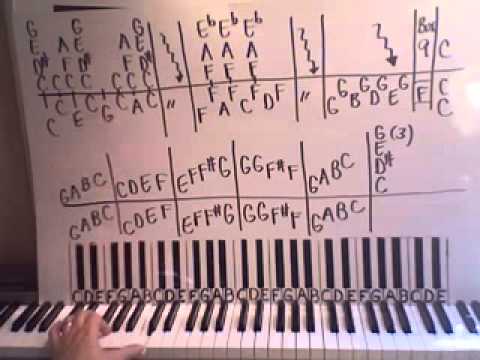
Common mistakes and how to fix them
These are the traps players fall into and how to escape them.
- Tension in the wrists: relax and drop speed until motion frees up.
- Rushing the off-beat: practice with a click and count “one-and-two-and.”
- Overplaying fills: simplify the right hand until the groove is steady.
- Ignoring dynamics: mark accents and play half the song quietly first.
Fixes are simple. Slow players down, mark problem bars, and repeat short sections. This is the heart of learning how to play great balls of fire piano.

Performance tips and stylistic flourishes
The song lives in the showmanship.
- Use palm slaps or light bangs for dramatic accents.
- Lean into syncopation: slightly delay the right-hand ornaments.
- Add octave jumps and glissandi sparingly for effect.
- Watch your tempo in solos; keep the backing groove solid.
When I play how to play great balls of fire piano for an audience, small visual cues and controlled noise win applause faster than nonstop runs.

Equipment, voicing, and tempo choices
Small gear choices change the sound a lot.
- Piano or electric: a bright upright or a cranked piano tone works best.
- Touch and voicing: play close to the keys’ edge for bite.
- Tempo: original recordings sit around a brisk 160–180 BPM; pick a tempo you can play cleanly.
- Amplification: if using an electric piano, slight overdrive adds grit.
Decide on gear early so you can practice how to play great balls of fire piano in the setting you’ll perform.

One-week practice plan to get playing fast
A clear plan shortens your practice time.
Day 1
- 20 minutes basic left-hand boogie.
Day 2 - 15 minutes right-hand riff; 15 minutes left-hand loop.
Day 3 - Combine both for 30 minutes; slow tempo.
Day 4 - Add fills and chromatic runs; 30 minutes.
Day 5 - Play full song at 75% tempo; film yourself.
Day 6 - Work on dynamics and stage moves; 30 minutes.
Day 7 - Full run-through at target tempo; record and review.
Follow this plan and you’ll see real improvement in how to play great balls of fire piano within a week.

My real-world lessons and common pitfalls I’ve seen
I’ve taught this song to students of many levels. Here’s what I learned.
- Start simple: players who rush to flashy runs stall out.
- Build a steady left hand: most gigs fail because the bass line wobbles.
- Record practice: you’ll hear timing problems you miss live.
- Rest your hands: intense practice without breaks causes tension.
Use these lessons as a map when you practice how to play great balls of fire piano.
Frequently Asked Questions of how to play great balls of fire piano
How hard is it to learn how to play great balls of fire piano?
It depends on your background. Pianists with rhythm experience can get a playable version in a week; mastering speed and showmanship takes longer.
What left-hand pattern should I use?
Use a steady boogie-woogie bass pattern of root–sixth–root–fifth in eighth notes. Keep it even and relaxed.
Do I need to play at the original tempo?
No. Start slower to build accuracy, then increase tempo by small steps until you reach the desired speed.
How do I practice the right-hand runs without getting sloppy?
Practice runs slowly with a metronome, focus on even fingerings, and only speed up after you can play them mistake-free ten times in a row.
Can I play this on an electric keyboard?
Yes. Use a bright piano or slightly overdriven tone. Adjust touch and dynamics to preserve the song’s energy.
Should I try glissandi and stage moves as a beginner?
Keep moves simple at first. Add glissandi only when you can play the core parts reliably to avoid mistakes in performance.
Conclusion
Mastering how to play great balls of fire piano is about three things: a steady left-hand groove, tight right-hand riffs, and confident, relaxed technique. Start slow, drill the basics, and add speed and showmanship only after your hands are secure. Try the one-week plan, record your practice, and make small, steady gains every day. Ready to bring fire to your playing? Start today, practice with purpose, and share your progress or questions below.

Senior Music Reviewer
Alex Carter is a seasoned music reviewer with over a decade of experience in the world of sound and instruments. Passionate about helping musicians and enthusiasts make informed choices, he brings sharp insights and in-depth knowledge to every review. From classical instruments to modern gear, Alex combines technical expertise with a love for music to deliver content that resonates with readers.
As a Senior Music Reviewer and expert author on Tuneluma.com, Alex is dedicated to sharing honest evaluations, practical advice, and thoughtful commentary to guide readers in their musical journey.