How To Tune A Piano: Step-By-Step Guide For Beginners
You can learn how to tune a piano by using the right tools, aural or electronic methods, and steady patience.
I’ve tuned dozens of pianos over 15 years and I’ll walk you through how to tune a piano step by step. This guide blends clear technique, practical tips, and real mistakes I’ve made so you can tune safely and confidently. Read on to learn tools, temperament, step-by-step tuning, common problems, and when to call a pro.
Tools you need before learning how to tune a piano
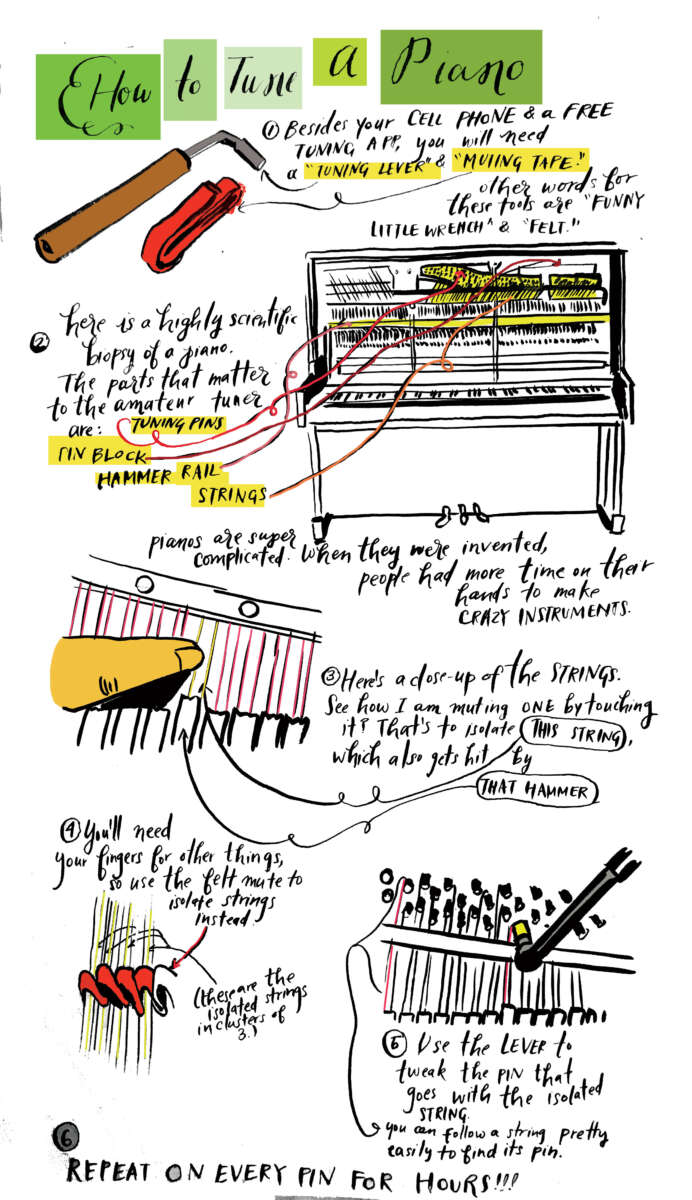
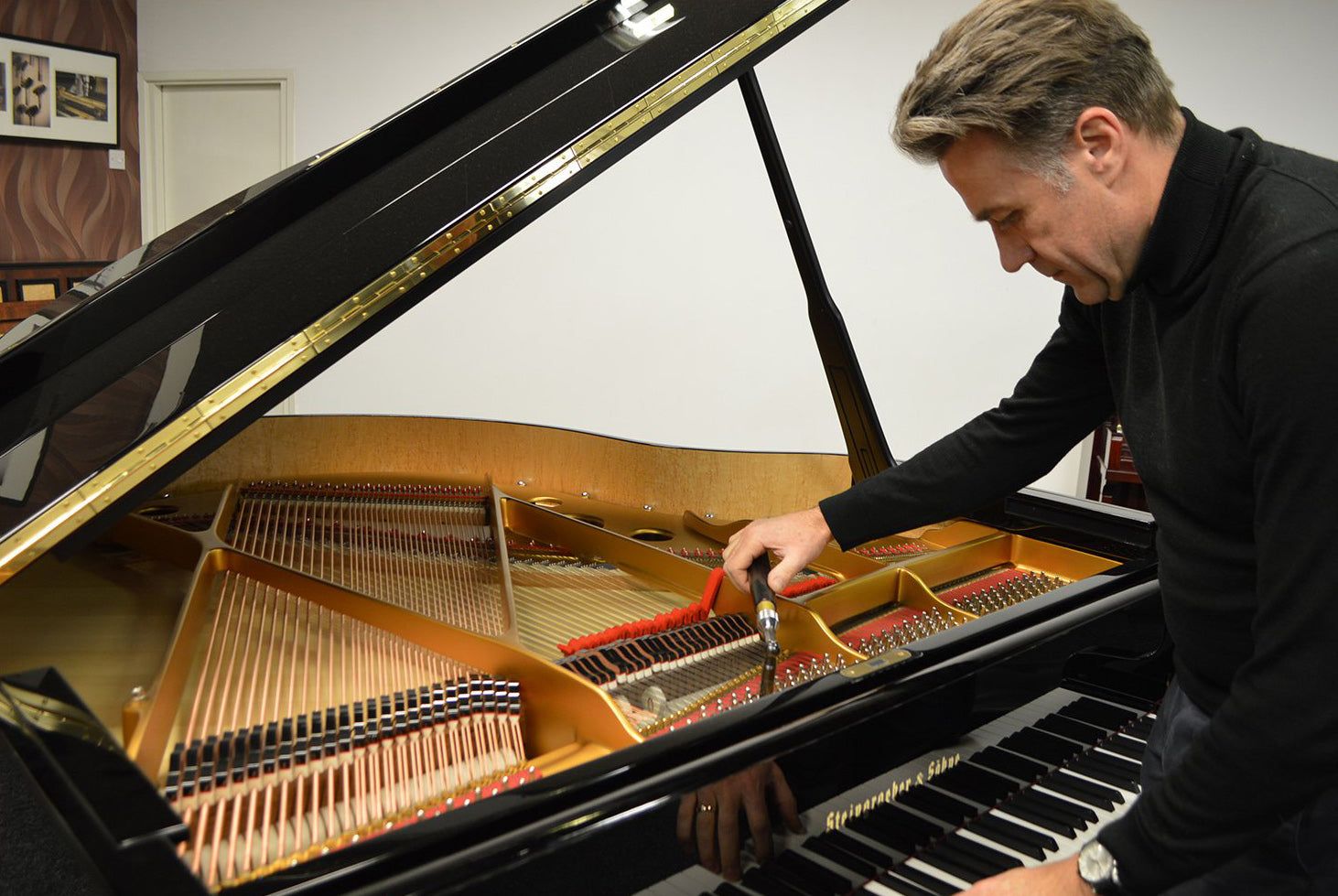
Start with a small toolkit. The right tools make tuning faster and safer.
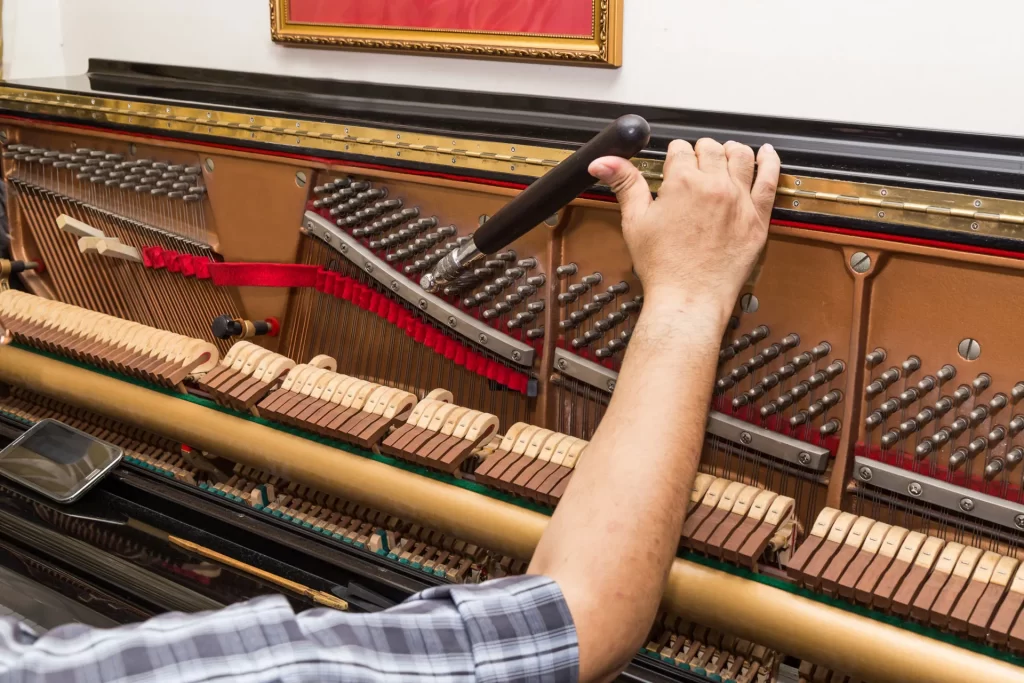
- Tuning lever (hammer) sized to your piano’s pins
- Electronic tuning device or tuning fork for reference pitch
- Mutes: felt strips, rubber wedges, or felt rubber
- Screwdrivers, pliers, and soft cloth for basic adjustments
- Patience and a quiet room with stable temperature
I once tried to tune a piano with a worn key and an old screwdriver. It took twice as long and left the instrument rattly. Invest in a good tuning lever and a reliable electronic tuner if you’re new to how to tune a piano. Manufacturers recommend specific lever sizes; buy what fits snugly on pins.

Understanding the basics of piano tuning and pitch
Know the core ideas before you touch the strings.
- A piano has many strings per note; tuning means adjusting pitch and relative intervals.
- Standard concert pitch is A440, but many pianos are tuned slightly sharp or flat depending on preference.
- Temperament creates even intervals across keys so music sounds consistent.
- Stretch tuning compensates for string inharmonicity so high notes sound in tune with low notes.
When I started, I tried to tune every note to a perfect octave. The piano sounded worse. Learning temperament and stretch tuning changed my work instantly and is crucial to truly knowing how to tune a piano.

Step-by-step: how to tune a piano (beginner-friendly method)
This step-by-step shows a simple aural approach with optional electronic aid.
- Set reference pitch
- Choose A4 = 440 Hz (or the pitch the owner prefers).
- Use a tuning fork or electronic tuner to get A4 right.
- Mute and tune middle octave
- Mute extra strings so you tune one string per note in the central octave first.
- Tune each note to the reference using the lever and small turns.
- Establish temperament
- Tune a series of intervals (typically a temperament octave from F3 to F4).
- Use beats between intervals to check evenness. Slow, regular beats mean close to correct.
- Tune outward from temperament
- Tune octaves above and below, checking beats and adjusting stretch as you go.
- Unmute strings and tune the remaining strings of each note to match the first string.
- Check and refine
- Play chords and scales across the range and listen for roughness.
- Revisit weak spots and make small adjustments.
Tips I learned:
- Make very small turns. Pin friction is high; one small move changes pitch a lot.
- Always approach the correct pitch from the same direction to reduce pin slippage.
- If a pin slips repeatedly, stop and reassess—you may need a technician for pin work.

Aural vs electronic tuning: pros and cons for how to tune a piano
Choose the method that fits your ear and goals.
- Aural tuning
- Pros: develops ear, widely accepted by pros, smooth musical results.
- Cons: steep learning curve, time-consuming for beginners.
- Electronic tuning
- Pros: quick, useful in noisy rooms, great learning aid.
- Cons: can sound mechanical if you rely on absolute pitch without musical context.
I trained by ear and used an electronic tuner as a safety net. That dual approach taught me how to tune a piano accurately while understanding musical context.

Advanced topics: stretch tuning, temperament choices, and worn pianos
These shape the final sound and stability.
- Stretch tuning
- Compensates for string stiffness so octaves sound in tune.
- Requires careful listening or software that models inharmonicity.
- Temperaments
- Equal temperament is standard for modern music.
- Historical temperaments suit period repertoire and can be used selectively.
- Worn pianos
- Old pins, rusted strings, or loose tuning pins may not hold pitch.
- Severe wear often calls for pinblock repair or restringing by a technician.
I once tuned a century-old upright and had to stop after finding multiple cracked strings and loose pins. Knowing limits is part of learning how to tune a piano.
Common mistakes and troubleshooting when learning how to tune a piano
Avoid these pitfalls to save time and frustration.
- Overturning a pin with force; it damages the pinblock.
- Tuning each string independently without checking unisons; causes beats.
- Ignoring room temperature and humidity; pitch will drift.
- Relying solely on electronic readouts without listening.
If a note won’t stabilize, try loosening slightly and then retuning. If it still slips, mark the spot and consult a pro. Honing small skills prevents bigger repairs.

Maintenance schedule and how often to tune a piano
Regular care keeps a piano healthy and makes tuning easier.
- New pianos: tune four times in the first year as they settle.
- Home pianos: tune at least twice a year.
- Performance pianos: tune before each major event or every month if used heavily.
- Climate control: keep humidity stable with a humidifier or dehumidifier as needed.
From my experience, a piano in a consistent environment holds pitch far better. Note frequency depends on use and environment—adjust accordingly.

Cost, practice, and when to hire a professional
Know your limits and value expert help.
- DIY tuning saves money but demands practice and risk.
- Professional tuners bring experience, tools, and often repair ability.
- Call a pro if pins slip, strings break, bass notes ring oddly, or the pinblock is failing.
I recommend beginners practice on inexpensive or retired instruments. Hire a professional for concert pianos, major repairs, or when the piano shows structural problems. Spending on a pro can prevent costly future fixes.

Frequently Asked Questions of how to tune a piano
What tools do I need to start learning how to tune a piano?
Start with a good tuning lever, mutes, and either a tuning fork or an electronic tuner. Add basic hand tools and a quiet workspace.
Can I tune a piano myself with an electronic tuner?
Yes, you can tune with an electronic tuner, and it helps you learn pitch accuracy, but you should also train your ear for musical tuning and unisons.
How long does it take to learn how to tune a piano well?
With regular practice, basic competence can come in months; mastery typically takes years and focused aural training.
How often should a piano be tuned?
Most home pianos need tuning twice a year; new pianos require more frequent tuning in their first year, and performance pianos often need monthly attention.
Is it harmful to tune a piano too much?
No, tuning itself isn’t harmful when done correctly. Harm comes from forcing pins or improper repairs, which can damage the pinblock or strings.
What if strings break during tuning?
Stop immediately, remove shards carefully, and have a technician replace the string. Replacing strings requires correct gauge and winding.
Does humidity affect tuning stability?
Yes. Humidity causes the soundboard to expand or contract, shifting pitch. Use a humidity control system for best stability.
Conclusion
Learning how to tune a piano is a practical skill you can build with the right tools, patience, and listening practice. Start by understanding temperament, practicing small, careful adjustments, and knowing when the piano needs a professional. Take one step at a time—practice tuning a single octave, learn to hear beats, and steadily expand your range. If you enjoyed this guide, try tuning a simple scale today, subscribe for more tips, or leave a comment about your tuning questions.

Senior Music Reviewer
Alex Carter is a seasoned music reviewer with over a decade of experience in the world of sound and instruments. Passionate about helping musicians and enthusiasts make informed choices, he brings sharp insights and in-depth knowledge to every review. From classical instruments to modern gear, Alex combines technical expertise with a love for music to deliver content that resonates with readers.
As a Senior Music Reviewer and expert author on Tuneluma.com, Alex is dedicated to sharing honest evaluations, practical advice, and thoughtful commentary to guide readers in their musical journey.