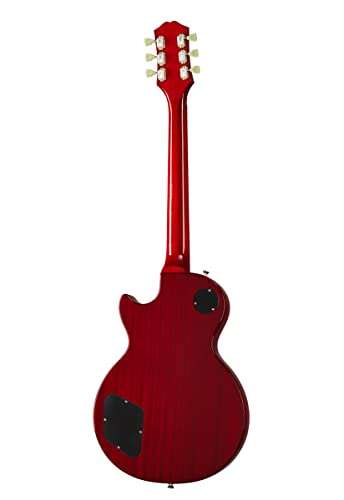
Epiphone Les Paul Standard 50s Vs 60s: Which One To Buy?
Both deliver classic Les Paul tone; the ’50s feels chunkier, the ’60s plays faster.
I’ve gigged and recorded with both the Epiphone Les Paul Standard ’50s and the Epiphone Les Paul Standard ’60s. If you’re weighing the epiphone les paul standard 50s vs 60s, you’re likely torn between neck feel and tonal flavor. One leans warm and fat, the other tight and snappy. I’ve A/B tested them through clean amps and high gain. Here’s what stood out for me so you can pick the right one.
Is Epiphone Les Paul Standard 50s Good?
Yes. The Epiphone Les Paul Standard ’50s is great if you love a chunky neck, thick lows, and a warm, vintage voice. It shines for blues, rock, and classic tones. If you dig a bigger “baseball bat” neck that anchors your fretting hand, this one feels like home. It invites slower bends, juicy vibrato, and round, bold rhythm parts.
On a small club gig, I paired the ’50s with a clean amp and a mild overdrive. Chords bloomed and leads sang. In the studio, I tracked a mid-tempo rock tune. The ’50s sat in the mix like a well-worn record—fat lows, balanced mids, and sweet highs without fizz. It made me play with intent, not speed, and that improved the take.

What Makes It Stand Out / Key Features
- Rounded ’50s neck profile for a fuller, classic grip
- ProBucker humbuckers voiced warm and vintage
- Solid feel with classic LP build and no-frills controls
- Vintage-style hardware and timeless finishes
- CTS-style electronics for smooth, usable taper
What I Like
- Big, comfortable neck encourages confident bends and vibrato
- Rich low end and sweet top that tame harsh amps
- Rhythm tones are thick and record-ready
- Responds well to volume knob cleanup
- Classic Les Paul look that fits any stage
What Could Be Better
- Chunky neck may tire smaller hands on long sets
- Heavier than many modern guitars
- Less “snap” for fast modern rock or metal
My Recommendation
If you want vintage feel and warm, bold tone, this is your pick. It’s widely available and offers strong value for classic rock, blues, and roots players.
| Best For | Why |
|---|---|
| Blues and classic rock | Warm lows and round mids fit vintage mixes |
| Players who like chunky necks | Rounded ’50s profile improves control |
| Rhythm-focused guitarists | Thick chords with great body |
Is Epiphone Les Paul Standard 60s Good?
Yes. The Epiphone Les Paul Standard ’60s is ideal if you want a slimmer neck, quicker feel, and a slightly brighter, tighter attack. It fits modern rock, pop, and lead work where speed and clarity matter. If you move up and down the neck a lot, this one saves your hands.
On a rehearsal with a high-gain amp, the ’60s cut through the mix. Palm-muted riffs stayed tight. Leads had bite without ice-pick highs. In a home session, I tracked layered arpeggios. The clear top end stacked well without mud. Compared to the ’50s, I played faster on this neck and hit cleaner takes sooner.

What Makes It Stand Out / Key Features
- SlimTaper ’60s neck for faster playability
- ProBucker pickups with more bite and definition
- Often paired with figured top finishes that pop under lights
- Stable tuning with modern-style tuners
- Smooth volume and tone sweep for precise control
What I Like
- Comfortable slim neck that reduces fatigue
- Clearer highs that layer well in mixes
- Tight low end for modern crunch and gain
- Responsive to pick dynamics and right-hand nuance
- Eye-catching finishes that look premium
What Could Be Better
- Less low-mid heft for vintage blues tones
- Can sound a bit bright with bright amps
- Slim neck may feel “thin” to vintage-neck fans
My Recommendation
Choose this if you want speed, clarity, and modern versatility. It’s easy to find and delivers strong performance per dollar across many genres.
| Best For | Why |
|---|---|
| Modern rock and pop | Brighter voice and tight response |
| Lead-focused players | Slim neck speeds up runs |
| Layered recordings | Clarity stacks without mud |
epiphone les paul standard 50s vs 60s: Side-by-Side Test
I set both up with the same strings, pick gauge, and amp chain. Below are the real differences I felt and heard. This epiphone les paul standard 50s vs 60s comparison focuses on playability, tone, looks, and value so you can buy with confidence.
Neck Shape & Feel: Which Fits Your Hand?
Both are comfortable. The difference is thickness and how your hand anchors on long sets.
| Aspect | ’50s | ’60s |
|---|---|---|
| Profile | Rounded, chunky | SlimTaper, thinner |
| Fatigue over 2 hours | Medium for small hands | Low for most players |
| Control on bends | Excellent grip | Very good, faster return |
| Ideal style | Blues, classic rock | Modern rock, pop, leads |
Rating: ’50s – 8.5/10 | ’60s – 9/10
Edge: ’60s for speed and comfort; ’50s for anchor and leverage.
Pickups & Tone: Warmth vs Bite
Both use ProBuckers. Voicing and feel differ in the lows and highs.
| Aspect | ’50s | ’60s |
|---|---|---|
| Low end | Thick and warm | Tight and focused |
| Highs | Sweet, rounded | Brighter, more cut |
| Clean tones | Vintage, woody | Chime with clarity |
| High gain | Chewy, classic crunch | Defined, modern crunch |
Rating: ’50s – 9/10 | ’60s – 9/10
Edge: Tie—choose warmth (’50s) or clarity (’60s) based on your rig.
Looks & Finishes: Stage Presence
Visuals matter on stage and in photos. The epiphone les paul standard 50s vs 60s differ in vibe.
| Aspect | ’50s | ’60s |
|---|---|---|
| Vibe | Vintage, understated | Sleek, sometimes figured tops |
| Aging style | Classic patina appeal | Modern shine and pop |
| Stage lighting | Warm, subtle glow | High contrast, photo-friendly |
| Timelessness | High | High, with a modern twist |
Rating: ’50s – 8.5/10 | ’60s – 9/10
Edge: ’60s for flash; ’50s for classic understatement.
Playability & Setup: Out-of-the-Box Ease
I set action low on both. Small differences showed up at speed.
| Aspect | ’50s | ’60s |
|---|---|---|
| Low action tolerance | Good | Excellent |
| Fast alternate picking | Good | Very good |
| Chord comfort | Excellent | Very good |
| Fret access feel | Solid grip | Quicker transitions |
Rating: ’50s – 8.5/10 | ’60s – 9/10
Edge: ’60s, thanks to the SlimTaper neck and quick feel.
Weight & Balance: On-Stage Comfort
Both are classic Les Paul solid builds and feel substantial.
| Aspect | ’50s | ’60s |
|---|---|---|
| Typical heft | Substantial | Substantial |
| Neck dive | None in my tests | None in my tests |
| Long set comfort | Good with wide strap | Good with wide strap |
| Seated balance | Stable | Stable |
Rating: ’50s – 8/10 | ’60s – 8/10
Edge: Tie—both balance well and feel like real LPs.
Versatility & Genres: One Guitar to Do It All?
I tracked cleans, crunch, and high gain. Both adapted, but with different strengths.
| Genre | ’50s | ’60s |
|---|---|---|
| Blues | Excellent | Very good |
| Classic rock | Excellent | Excellent |
| Modern rock/pop | Good | Excellent |
| Metal (with hot amp) | Good | Very good |
Rating: ’50s – 8.5/10 | ’60s – 9/10
Edge: ’60s for cross-genre versatility; ’50s wins for vintage voice.
Value for Money: What Do You Get?
The epiphone les paul standard 50s vs 60s live near the same price point. Your money buys different strengths.
| Aspect | ’50s | ’60s |
|---|---|---|
| Feature density | Classic spec value | Modern playability value |
| Recording utility | Warm beds and rhythms | Layer-friendly clarity |
| Gig readiness | Rock-solid | Rock-solid |
| Resale appeal | Strong | Strong |
Rating: ’50s – 9/10 | ’60s – 9/10
Edge: Tie—choose by neck feel and tonal target, not price.
Final Verdict: Which Should You Buy?
Pick the ’50s if you want warmth, heft, and a chunky neck that rewards touch and phrasing. It nails blues, classic rock, and rich rhythm tracks. It feels like a vintage friend.
Choose the ’60s if you want speed, clarity, and cut. It suits modern rock, pop, and lead work. In the epiphone les paul standard 50s vs 60s debate, your hand and ear decide: chunk and warmth (’50s) or speed and sparkle (’60s).
FAQs Of epiphone les paul standard 50s vs 60s
What is the main difference in the epiphone les paul standard 50s vs 60s?
The neck. The ’50s has a rounded, chunkier profile and warmer tone. The ’60s has a SlimTaper neck and a brighter, tighter voice.
Which is better for beginners: epiphone les paul standard 50s vs 60s?
Most beginners prefer the ’60s for its slimmer neck and easier feel. If you like a thicker grip, the ’50s can build strong technique.
Do they sound the same through the same amp?
No. The ’50s leans warm and thick. The ’60s is clearer and snappier. In an A/B test, the epiphone les paul standard 50s vs 60s difference is obvious on cleans and crunch.
Is there a big weight difference in the epiphone les paul standard 50s vs 60s?
Not typically. Both feel substantial like classic Les Pauls. Use a wide strap for long sets.
Which records better for layered parts: epiphone les paul standard 50s vs 60s?
The ’60s often layers cleaner thanks to brighter highs and tight lows. The ’50s wins for thick rhythm beds and vintage color.

Senior Music Reviewer
Alex Carter is a seasoned music reviewer with over a decade of experience in the world of sound and instruments. Passionate about helping musicians and enthusiasts make informed choices, he brings sharp insights and in-depth knowledge to every review. From classical instruments to modern gear, Alex combines technical expertise with a love for music to deliver content that resonates with readers.
As a Senior Music Reviewer and expert author on Tuneluma.com, Alex is dedicated to sharing honest evaluations, practical advice, and thoughtful commentary to guide readers in their musical journey.