Fender Blues Junior Vs Vox AC15: Which Amp Wins?
Both are stellar: Blues Junior favors warm American cleans; AC15 delivers bright British chime.
You want a small tube combo that sounds huge and records well. I’ve gigged, rehearsed, and tracked with both the Fender Blues Junior and the Vox AC15. In the fender blues junior vs vox ac15 debate, both shine, but in different ways. I’ll share how each behaved in real rooms with real bands. I tested both side by side to help you pick the amp that fits your songs, pedals, and stage.
Is Fender Blues Junior Good?
Yes—for blues, roots, indie, and anyone who wants easy, American-style tube warmth in a compact box. It is a simple amp with a sweet midrange and fast breakup. If you use pedals and keep the volume in check, it sings. It is great for home use, recording, and small gigs. Mic it, and it can fill bigger rooms.
On a trio gig, I set the volume around 4 with the FAT switch on. My Tele felt touchy and alive. Lows stayed tight, and the reverb sat in a nice pocket. In a studio session, I ran a Timmy into the front end. The Blues Junior gave me a round, mix-ready tone that needed little EQ. It just worked.

What Makes It Stand Out / Key Features
- 15-watt all-tube combo with EL84 power section and 12AX7 preamp
- 12-inch speaker for punchy mids and quick breakup
- Classic spring reverb with simple control layout
- FAT switch for a thicker mid boost and added drive
- Portable size and weight that is easy to carry
What I Like
- Warm, familiar American clean with sweet breakup
- Takes drives and boosts well; great pedal platform
- Simple layout means fast, repeatable tones on stage
- Spring reverb has a natural splash for depth
- Easy to mic; sits in a mix without much EQ
- Compact and easier to haul than many 1×12 tube combos
What Could Be Better
- Limited clean headroom with loud drummers
- No effects loop for time-based effects
- Can sound boxy in some rooms without mic support
My Recommendation
Players who want warm, portable tube tone and use pedals will love it. It is a great home, studio, and small-stage pick with strong value.
| Best For | Why |
|---|---|
| Blues, roots, country | Thick mids and fast, touch-sensitive breakup |
| Pedal users | Simple platform that pairs well with overdrives |
| Home and small gigs | Manageable volume and easy carry |
Is Vox AC15 Good?
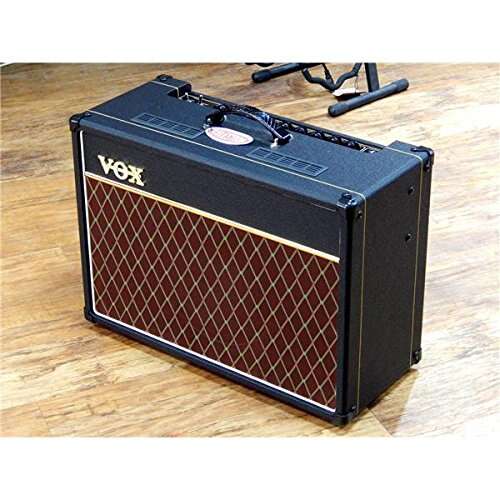
Yes—if you want British chime, jangly cleans, and classic crunch with real stage presence. The AC15’s Top Boost voice cuts through dense bands. It also gives you built-in tremolo and reverb. It is heavier and louder than the Fender. It rewards touch and pick attack in a big way.
I used the AC15 on a rock set with two guitars. My rhythm parts stayed clear and bright without harshness. I kept the Cut control around 1–2 o’clock. The tremolo in a ballad was lush and on-tempo. In a church setting, the amp took a low-gain drive and delay well. It had depth, sparkle, and easy feel under the fingers.

What Makes It Stand Out / Key Features
- 15-watt EL84 power section with Normal and Top Boost channels
- 12-inch Celestion speaker for classic British voice
- Built-in tremolo and spring reverb
- Master Volume plus Cut control for high-end shaping
- Iconic chime and punch that cuts through a mix
What I Like
- Bright, chiming cleans with rich overtones
- Top Boost crunch with great note separation
- Tremolo sounds musical and easy to dial
- Responds well to treble boosters and light drives
- Holds presence on stage without getting muddy
What Could Be Better
- Heavier and bulkier to carry
- Can be loud and bright in small rooms
- No effects loop; placement of delays can be tricky
My Recommendation
Pick it if you want British chime, built-in tremolo, and mix-cut for live work. It shines with bands.
| Best For | Why |
|---|---|
| Indie, Brit-pop, worship | Chime and clarity with airy highs |
| Two-guitar bands | Defined midrange that cuts through |
| Players who want built-ins | Tremolo and reverb on board |
fender blues junior vs vox ac15: Side-by-Side Test
Both are 15-watt tube combos, but they speak with different accents. Below is how the fender blues junior vs vox ac15 stack up in tone, power, features, and value based on my hands-on use.
Core Tone & Genre Fit: Which Voice Fits Your Songs?
They feel different under the fingers. Here is the tone map I heard.
| Aspect | Fender Blues Junior | Vox AC15 |
|---|---|---|
| Voice | Warm, mid-forward American clean | Bright, chimey British sparkle |
| Sweet Spot | Edge-of-breakup at moderate volume | Top Boost chime to crisp crunch |
| Genre References | Blues, country, Americana | Indie, Brit-pop, classic rock |
| Mix Role | Round and supportive | Cutting and present |
Ratings: Blues Junior – 8.5/10 | Vox AC15 – 9/10
The Vox AC15 wins for chime and cut; the Blues Junior wins for warmth and glue.
Clean Headroom & Loudness: How Far Before Breakup?
Both are loud for 15 watts, but their headroom feels different.
| Aspect | Fender Blues Junior | Vox AC15 |
|---|---|---|
| Perceived Loudness | Loud, but compresses early | Loud with strong projection |
| Clean Headroom | Limited with loud drummers | Moderate; stays clearer longer |
| Breakup Character | Smooth and thick | Crunchy with bite |
| Band Context | Best mic’d or in smaller rooms | Handles bigger stages better |
Ratings: Blues Junior – 7.5/10 | Vox AC15 – 8.5/10
AC15 edges it on headroom and reach; the Fender breaks up sweeter.
Built-in Features & Channels: What Do You Get?
The fender blues junior vs vox ac15 differ in onboard tools.
| Feature | Fender Blues Junior | Vox AC15 |
|---|---|---|
| Channels | Single channel | Normal + Top Boost |
| Onboard Effects | Spring reverb | Tremolo + spring reverb |
| Tone Shaping | Bass/Mid/Treble + FAT | Bass/Treble + Cut |
| Effects Loop | No | No |
Ratings: Blues Junior – 7.5/10 | Vox AC15 – 9/10
AC15 wins on flexibility thanks to two channels and tremolo.
Pedal Platform: Which Loves Your Board More?
Both work with pedals; they react in different ways.
| Pedal Type | Fender Blues Junior | Vox AC15 |
|---|---|---|
| Overdrives/Boosts | Excellent; smooth stacking | Great; adds sparkle and bite |
| Fuzz | Good with tone tweaks | Can be picky; loves treble boosters |
| Delays/Mod | Good in front; sits warm | Good; brighter repeats |
| High-Gain | Better as low–mid gain base | Needs careful EQ to avoid ice-pick |
Ratings: Blues Junior – 8.5/10 | Vox AC15 – 8/10
Blues Junior is the smoother pedal platform; AC15 rewards careful pairing.
Portability & Build: Which Is Easier to Carry?
Weight and size matter when you gig often.
| Aspect | Fender Blues Junior | Vox AC15 |
|---|---|---|
| Weight | Lighter and easier to haul | Noticeably heavier |
| Footprint | Compact 1×12 | Larger 1×12 |
| Cab Feel | Tight, focused | Bigger, room-filling |
| Gigging Ease | Great grab-and-go | Better with a cart |
Ratings: Blues Junior – 9/10 | Vox AC15 – 7.5/10
Blues Junior wins for portability; AC15 wins for physical presence on stage.
Ease of Use & Setup: Which Dials Faster?
Simple controls help under stage lights.
| Aspect | Fender Blues Junior | Vox AC15 |
|---|---|---|
| Control Layout | Straightforward | More options |
| Learning Curve | Very low | Moderate (Cut + channels) |
| Sweet Spots | Easy to find quickly | Wide, but needs time |
| Volume Management | Friendly at home volumes | Louder; needs care indoors |
Ratings: Blues Junior – 9/10 | Vox AC15 – 8/10
Blues Junior is faster to dial; AC15 offers more range once learned.
Maintenance & Modding: Living With the Amp
Tubes and simple service matter over years.
| Aspect | Fender Blues Junior | Vox AC15 |
|---|---|---|
| Tubes | 2x EL84, 3x 12AX7 | 2x EL84, 3x 12AX7 |
| Access/Service | Simple for techs | Also serviceable; denser layout |
| Common Mods | Speaker swap, tone tweaks | Alnico speaker, bright cap tweaks |
| Heat/Noise | Runs warm; low noise | Runs hot; can hiss at high treble |
Ratings: Blues Junior – 8.5/10 | Vox AC15 – 8/10
Both are solid; Fender is a hair simpler to live with and mod.
Value & Resale: What Do You Get for the Money?
Price shifts, but value trends hold.
| Aspect | Fender Blues Junior | Vox AC15 |
|---|---|---|
| What You Get | Warm tone, reverb, portability | Two channels, tremolo, reverb |
| Upgrade Paths | Easy speaker/tube swaps | Speaker upgrade transforms it |
| Resale Demand | Consistent and strong | Strong among chime seekers |
| Gig Readiness | Great mic’d | Great even un-mic’d in small clubs |
Ratings: Blues Junior – 8.5/10 | Vox AC15 – 8.5/10
Value is a tie: pick features (AC15) vs portability and ease (Fender).
Final Verdict: Which Should You Buy?
Choose Fender Blues Junior if you want warm American tone, fast setup, and easy carry. It shines as a pedal platform, in home studios, and in small gigs. It is the smoother choice in the fender blues junior vs vox ac15 matchup.
Choose Vox AC15 if you need chime, stage cut, and built-in tremolo. It is the live band pick in the fender blues junior vs vox ac15 debate, with bigger presence and flexible Top Boost tones.
FAQs Of fender blues junior vs vox ac15
Which amp has more clean headroom?
The Vox AC15 has a bit more clean headroom and projection. The Fender Blues Junior breaks up sooner with a thicker edge.
Which is better for pedals in the fender blues junior vs vox ac15 debate?
The Blues Junior is the smoother pedal platform. The AC15 is great too, but can be bright with some drives and fuzz.
Which is easier to carry to gigs?
Fender Blues Junior. It is lighter and more compact. The AC15 is heavier and bulkier.
Do they both have built-in effects?
Yes, but different ones. The Blues Junior has spring reverb. The AC15 adds tremolo plus spring reverb.
For home use, which is easier to tame?
The Blues Junior. It reaches sweet tones at lower levels. The AC15 can get loud and bright in small rooms.
In short, fender blues junior vs vox ac15 comes down to voice and use case. If you want warm and simple, pick Fender. If you want chime and live cut, pick Vox. I hope this hands-on look at fender blues junior vs vox ac15 helps you choose. I’ve used both, and either can be the right tool for your songs.

Senior Music Reviewer
Alex Carter is a seasoned music reviewer with over a decade of experience in the world of sound and instruments. Passionate about helping musicians and enthusiasts make informed choices, he brings sharp insights and in-depth knowledge to every review. From classical instruments to modern gear, Alex combines technical expertise with a love for music to deliver content that resonates with readers.
As a Senior Music Reviewer and expert author on Tuneluma.com, Alex is dedicated to sharing honest evaluations, practical advice, and thoughtful commentary to guide readers in their musical journey.