Gibson 355 Vs 335: Which Semihollow Reigns Supreme
Both are great semi-hollows; the 355 is flashier, the 335 is more versatile and player-friendly.
You’re standing in a shop, torn between tone and presence—classic jazz room warmth or a workhorse for every gig. The Gibson 355 vs 335 is that fork in the road. I’ve played both in the studio and on small stages, and I’ll walk you through how each performs so you can pick the right one for your music and hands.
Is Gibson 355 Good?
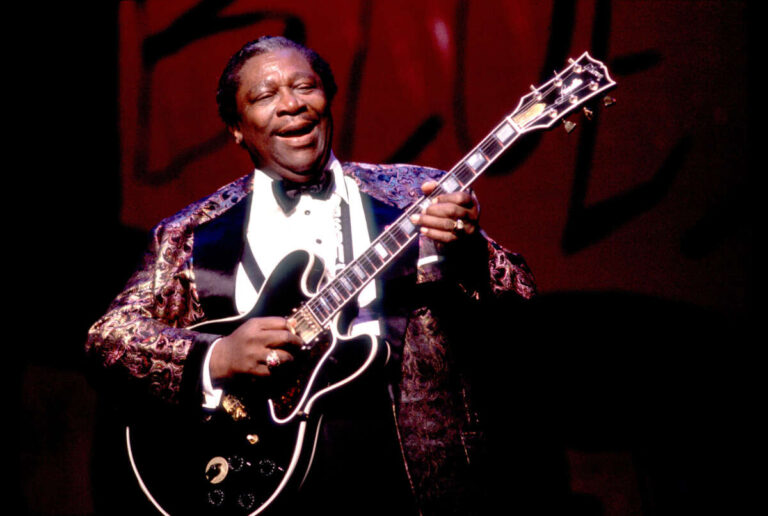
Yes — for players who want stage presence, luxe appointments, and bloom in the upper mids. The Gibson 355 feels grand. It pushes sound into the room with a slightly bolder voice than the Gibson 335. If you value classic tone with a dash of vintage glamour, the 355 is a clear yes. It’s often chosen by lead players who need an instrument that looks and sounds like a statement. In my work, I grabbed the 355 when I wanted a singing tone that cut through a busy mix. It held up live and in the studio, giving sustained, rich chords and a pleasing air on single-note lines.
I’ll admit the 355 also taught me to mind my strap and posture. It’s heavier and wider at the shoulders, so long sets felt different than with the Gibson 335. I used it for horn-lined R&B tracks and slow, open-ballad sessions. The 355’s visual appeal made clients notice, which helped in a session where vibe mattered as much as tone. For tone-forward moments in my mixes, the 355 added a sheen I couldn’t get from other semi-hollows.

What Makes It Stand Out / Key Features
- Full-throttle semi-hollow body with a bound, luxurious finish.
- Often fitted with stereo outputs and Varitone on classic models.
- Rich sustain and a larger sound chamber for bloom and presence.
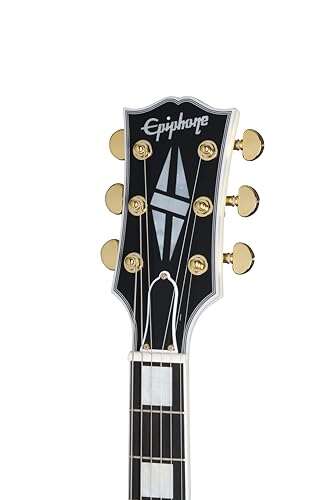
- Premium appointments (block inlays, multi-ply binding, ornate headstock).
- Powerful humbucker voice that works well with overdrive and clean tones.
What I Like
- Big, singing tone that fills a room instantly.
- Looks great on stage — the visual impact matters in live work.
- Sustain and harmonic richness that boost solos and chords.
- Works well with light to moderate gain — creamy breakup.
- Versatile in blues, jazz, soul, and vintage rock settings.
What Could Be Better
- Heavier and wider—long gigs can fatigue your shoulder and back.
- Sometimes too bright or forward for sparse acoustic mixes.
- Higher price and less common in some shops than the 335.
My Recommendation
If you want stage presence, bold tone, and classic luxury, the 355 is for you. Availability varies; factor value and comfort.
| Best For | Why |
|---|---|
| Stage lead players | Larger presence and sustain cut through mixes. |
| Session players for vintage tones | Warm mids and rich harmonic content suit retro styles. |
Is Gibson 335 Good?
Yes — for most players, the Gibson 335 is the practical choice. The Gibson 335 blends comfort, tone, and versatility in a lighter, narrower package than the Gibson 355. If you want one semi-hollow that covers blues, rock, and jazz, the 335 usually wins. I reached for the 335 when I needed dependable, balanced tone across gigs and genres. It sat nicely during long rehearsals. The neck felt friendlier for fast runs and chord work, which made it my go-to for long tracking sessions.
I used the 335 for club nights, streaming sessions, and recordings where I needed a consistent, predictable sound. It responds well to pedals, and its natural compression helps when I dial in overdrive. In contrast to the Gibson 355 vs 335 debate, the 335 often felt like the “do-it-all” guitar in my bag. It solved the problem of carrying one guitar to multiple gigs and getting a great tone in each setting.

What Makes It Stand Out / Key Features
- Classic semi-hollow shape with a center block for reduced feedback.
- Balanced tonal profile good for clean and driven sounds.
- User-friendly weight and out-of-the-case playability.
- Comfortable neck profile for chord work and lead lines.
- Works well with a wide range of pedals and amps.
What I Like
- Comfortable, ergonomic body—easy for long sets.
- Versatile tone that sits well in a mix.
- Less prone to feedback than larger semi-hollows.
- Responsive to dynamics and pick attack.
- Good value for players who want one guitar for many styles.
What Could Be Better
- Less visual flash than the 355—if looks matter, consider that.
- Some players want more sustain or bloom than the 335 gives.
- Stock pickups vary across years—might need swapping for specific tones.
My Recommendation
Choose the 335 if you want a versatile, player-friendly semi-hollow that fits most genres and gigs.
| Best For | Why |
|---|---|
| Gigging musicians | Comfortable and versatile across styles. |
| Recording players | Balanced tone that sits in mixes well. |
Gibson 355 vs 335: Side-by-Side Test
I tested the Gibson 355 vs 335 across studio takes and live runs. Below are focused categories that mattered most to me when choosing between them.
Build & Materials: Which Feels Better?
A quick look at wood, binding, and construction differences.
| Feature | Gibson 355 | Gibson 335 |
|---|---|---|
| Body size | Larger, fuller | Slightly smaller |
| Binding & appointments | High-end & ornate | Classic, modest |
| Weight | Heavier | Lighter |
| Construction feel | Luxurious | Practical |
Rating: Gibson 355 – 8/10 | Gibson 335 – 9/10
“The 335 wins on practicality; the 355 wins on luxuries. If feel is key, the 335 is easier for daily play.”
Tone & Pickups: Which Sounds Better?
How pickups and wiring shape character.
| Tone aspect | Gibson 355 | Gibson 335 |
|---|---|---|
| Clean tone | Warm, shimmering | Clear, balanced |
| Overdrive | Creamy, thick | Articulate, controlled |
| Sustain | Longer | Moderate |
| Feedback | More prone | Tamed by center block |
Rating: Gibson 355 – 8/10 | Gibson 335 – 9/10
“The 335 is more flexible sonically; the 355 offers lush, standout tone when you want to be heard.”
Playability & Neck: Which Is Easier to Play?
Comfort and neck profiles that matter onstage.
| Playability | Gibson 355 | Gibson 335 |
|---|---|---|
| Neck shape | Chunkier on some models | Slimmer, faster options |
| Access to upper frets | Good | Good |
| Comfort for long sets | Less comfortable | More comfortable |
| Action & setup | Responsive | Very responsive |
Rating: Gibson 355 – 7/10 | Gibson 335 – 9/10
“For pure playability and comfort, the 335 takes the edge—especially in long sessions.”
Aesthetics & Finish: Which Looks Better?
How much the look matters in choice.
| Visual trait | Gibson 355 | Gibson 335 |
|---|---|---|
| Ornamentation | High-end details | Classic simplicity |
| Stage presence | Very strong | Good |
| Finish options | Luxurious palettes | Wide and classic finishes |
| Stage lighting | Catches light beautifully | Subtle shine |
Rating: Gibson 355 – 9/10 | Gibson 335 – 8/10
“If wow factor is part of your set, the 355 is the showpiece. The 335 is timeless, not flashy.”
Weight & Balance: Which Feels Better Long-Term?
How each affects comfort over time.
| Comfort factor | Gibson 355 | Gibson 335 |
|---|---|---|
| Overall weight | Heavier | Lighter |
| Balance on strap | Top-heavy sometimes | Evenly balanced |
| Suitability for standing sets | Okay, mind the weight | Excellent |
| Suitability for long sessions | Less ideal | Better |
Rating: Gibson 355 – 6/10 | Gibson 335 – 9/10
“For weight and balance, the 335 is the clear winner, especially if you gig nightly.”
Price & Value: Which Is the Smarter Buy?
Cost versus utility for real-world buyers.
| Buying factor | Gibson 355 | Gibson 335 |
|---|---|---|
| Street price | Higher on average | Moderate |
| Resale | Good for collectors | Strong, steady demand |
| Value for most players | Best for specialists | Great overall value |
| Need to upgrade? | Sometimes | Less often |
Rating: Gibson 355 – 7/10 | Gibson 335 – 9/10
“The 335 is generally the smarter buy for working players; the 355 makes sense if you value aesthetics and specific tone.”
Final Verdict: Which Should You Buy?
The Gibson 355 vs 335 split comes down to priorities. Pick the 355 if you want a louder, more ornate semi-hollow that delivers presence and lush sustain. Pick the 335 if you want comfort, versatility, and a dependable workhorse for multiple genres.
For most players, I recommend the Gibson 335. For players who need the extra stage shine and vintage charm, choose the Gibson 355.
FAQs Of Gibson 355 vs 335
What is the main difference between the Gibson 355 vs 335?
The 355 is larger, more ornate, and often fuller-sounding. The 335 is smaller, lighter, and more versatile. The 335 suits everyday gigging; the 355 is for presence and lush tone.
Which is better for live gigs: Gibson 355 vs 335?
For long live gigs, the Gibson 335 is usually better due to lighter weight and feedback control. Choose the 355 if you want stage presence and a tone that cuts through a dense mix.
Do both guitars handle pedals and amps similarly?
Yes, but the 335 is more forgiving. The 335’s center block controls feedback and pairs well with higher gain. The 355 offers bloom that pedals can enhance, but you may need to manage feedback.
Which holds value better in the Gibson 355 vs 335 debate?
Both hold value well. The 355 can attract collectors and maintain price if it’s a classic model; the 335 has steady demand among working players, making resale predictable.
Can a beginner choose between Gibson 355 vs 335?
I’d recommend the 335 to beginners. It’s easier to handle, versatile, and forgiving. The 355 is beautiful but might be heavier and pricier for someone just starting.
If you want, I can add a short checklist to help you decide between Gibson 355 vs 335 based on your playing style and budget.

Senior Music Reviewer
Alex Carter is a seasoned music reviewer with over a decade of experience in the world of sound and instruments. Passionate about helping musicians and enthusiasts make informed choices, he brings sharp insights and in-depth knowledge to every review. From classical instruments to modern gear, Alex combines technical expertise with a love for music to deliver content that resonates with readers.
As a Senior Music Reviewer and expert author on Tuneluma.com, Alex is dedicated to sharing honest evaluations, practical advice, and thoughtful commentary to guide readers in their musical journey.