
How Often Should I Replace Guitar Strings: Guide for Longevity
If you’ve ever wondered how often should I replace guitar strings, you’re not alone. In fact, this is one of the first questions most beginners ask me, and honestly, I get why. When you pick up your guitar and play a chord, you want it to sound clear, bright, and full. But over time, strings lose their shine, tone fades, and playing becomes less smooth. And even though this happens slowly, you always reach that moment where something just feels “off.”
I still remember the first time I dealt with this myself. I picked up my old acoustic guitar one morning, strummed a G chord, and instantly knew something wasn’t right. The sound was dull, the strings felt sticky, and tuning took forever. That day I learned how much fresh strings matter — and I’ve been helping beginners understand this ever since.
So today, I’m talking directly to you — like we’re sitting in the same room, guitar in hand — and I’m going to break down everything you need to know. By the end of this guide, you’ll know not only how often to change your guitar strings, but also why, how, and what to choose for your playing style.
Let’s get started.
Why Guitar Strings Matter More Than Most Beginners Realize
A guitar is only as good as its strings. Even a cheap guitar can sound great with the right strings, while an expensive guitar can sound lifeless with old ones. Strings affect everything:
- Tone
- Tuning stability
- Comfort
- Sustain
- Responsiveness
- Playability
And because strings are the single most interacted-with part of the instrument, beginners sometimes overlook how quickly they wear out. You’re constantly pressing them, bending them, sweating on them, and exposing them to air, moisture, and oils. Every play session slowly changes them — even if you don’t notice it right away.
And trust me, I’ve played long enough to know: even the cleanest, most careful guitar player eventually wears out strings.
What Determines How Often You Should Replace Guitar Strings?
Let’s break down the real factors that influence guitar string lifespan. Because although the question “how often should I replace guitar strings?” sounds simple, the answer depends on several things.
How Playing Frequency Impacts String Life
The more you play, the faster strings wear out — pretty straightforward, right? But here’s how it breaks down:
Daily players
If you play every day, expect to change strings every 2–4 weeks.
Sweat, friction, finger oils, and bending all speed up wear.
Several times weekly
You might get 4–8 weeks before tone noticeably fades.
Occasional players
If you play only a couple of times a month, strings may last 3–6 months.
But even with light use, strings still age naturally due to:
- Humidity
- Temperature changes
- Oxidation
- Rust
- Dust
A guitar doesn’t have to be played for strings to get old.
How String Material Affects Durability
This is where things get interesting. Different strings last for different lengths of time based on the metal and coating.
Uncoated strings
- Bright, natural tone
- Shorter lifespan
- Common options: nickel (electric), bronze (acoustic)
Uncoated strings usually last:
- 2–4 weeks for regular players
- 6–8 weeks for casual players
Coated strings (like Elixir or D’Addario XS)
- Last 2–3× longer
- Resist sweat, dirt, and oxidation
- Smoother feel
I personally switched to coated strings after a sweaty summer tour where uncoated strings died within days. Once I changed to Elixir Nanoweb strings, I got almost three times the lifespan — and my setup routine became so much easier.
Stainless steel
- Super bright tone
- Higher resistance to corrosion
- More durable than nickel
Excellent for players who sweat a lot.
Phosphor bronze vs 80/20 bronze (acoustic)
- Phosphor bronze lasts longer and sounds warmer
- 80/20 bronze is brighter but ages quicker
Related keyword woven naturally: guitar string lifespan.
How Environment Affects String Longevity
Many beginners overlook this, but the environment you live in matters a lot.
Humidity
High humidity causes strings to corrode faster.
Dry climates
Dry air makes strings brittle.
Temperature changes
Sudden changes weaken metal and break tuning stability.
Sweaty hands
Some players have more acidic sweat — meaning strings die in days, not weeks.
I once taught a student whose hands were incredibly acidic. His strings rusted in under a week. Once he switched to coated strings, everything improved.
Credit: www.13thstreetguitars.com
Clear Signs You Need to Replace Guitar Strings
Now let’s look at the real-world signs beginners can detect.
Your Tone Sounds Dull
You strum a chord… and it just falls flat.
No sparkle. No brightness. No life.
Old strings lose:
- Sustain
- Clarity
- Volume
- Richness
If the sound makes you feel less inspired to play, it’s time for new strings.
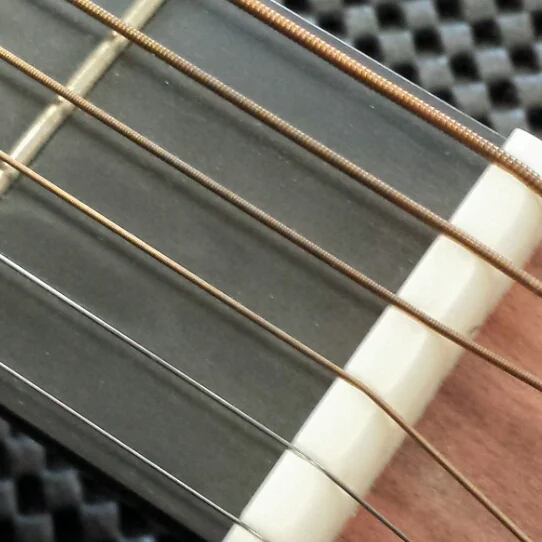
Strings Look Dirty or Rusted
Brown, dark, or uneven coloring means oxidation.
Rust is a major red flag — especially if you see:
- Red spots
- Flaky texture
- Darkened metal
- Grime buildup
Related term included naturally: rusty guitar strings.
Never keep rusty strings on your guitar. They:
- Break easier
- Sound worse
- Can cut your fingers
- Damage frets over time
Your Guitar Won’t Stay in Tune
If you keep tuning and retuning but the pitch drifts again:
- The strings are stretched out
- The metal has fatigued
- They can no longer hold tension
Tuning instability almost always means the strings are too old.
Strings Feel Rough or Sticky
Slide your fingers across them.
If they feel:
- Rough
- Sticky
- Dirty
- Grainy
…then the winding is wearing down or it’s full of dirt and grime.
I remember once running my thumb along my low E string and feeling tiny bumps. I didn’t realize until later that the winding was literally starting to unwind — a sign I should have changed the strings long before.
Recommended Replacement Intervals for Every Type of Player
Let’s break it down clearly so you know exactly what’s normal.
Casual Players
If you play 1–2 times a week:
➡️ Replace strings every 8–12 weeks
➡️ Clean strings to extend life
Related keyword woven: beginner guitar maintenance.
Intermediate or Frequent Players
If you play 3–5 days weekly:
➡️ Replace strings every 4–6 weeks
Gigging Musicians
Live performances require reliable tone.
➡️ Replace strings every 1–2 weeks
➡️ Many pros replace them before every show
Studio Guitarists
➡️ Replace strings before each recording session
Fresh strings ensure:
- Bright, consistent tone
- No unwanted buzzing
- Perfect clarity
Acoustic vs Electric Guitars
Acoustic strings lose brightness faster because:
- Bronze alloys oxidize quickly
- Acoustic tone relies heavily on string quality
Electric guitar strings last a little longer, especially nickel-plated ones.
How to Make Your Guitar Strings Last Longer
If you want to change strings less often, here’s how.
Wash Your Hands Before Playing
Clean hands dramatically increase string lifespan.
Why? Because they remove:
- Sweat
- Oils
- Dust
- Lotion residue
Even a 10-second rinse helps.
Wipe Down Strings After Playing
A clean microfiber cloth works perfectly.
Do this after every session:
- Grab cloth
- Pinch strings
- Wipe from bridge to nut
This removes moisture and salts that cause rust.
Use String Cleaner or Lubricant
Not required, but very helpful.
Products from companies like Music Nomad extend life and improve feel.
Consider Coated Strings
If you:
- Sweat a lot
- Live in humid or coastal areas
- Want longer string life
…coated strings are your new best friend.
My acoustic guitars almost always use Elixir phosphor bronze coated strings. They last me 3× longer, even during tours.