How To Clean Inside Of Upright Piano Safely: Quick Tips
Gently remove dust with soft brushes and low suction vacuum; avoid liquids and force.
I’m a piano technician and teacher with over a decade of hands-on experience restoring and caring for upright pianos. In this guide I’ll show exactly how to clean inside of upright piano safely, step by step, with clear tools, safety tips, and real-world advice so you won’t damage delicate parts while you freshen the instrument.

Why cleaning the inside matters
Cleaning the inside of an upright piano improves tone, prolongs action life, and prevents pests and mold. Knowing how to clean inside of upright piano safely keeps felt, hammers, strings, and electronics intact. Dust and grime left inside can slow action, deaden tone, and attract humidity. Regular gentle care is better than occasional deep scrubbing.
Tools and supplies you’ll need
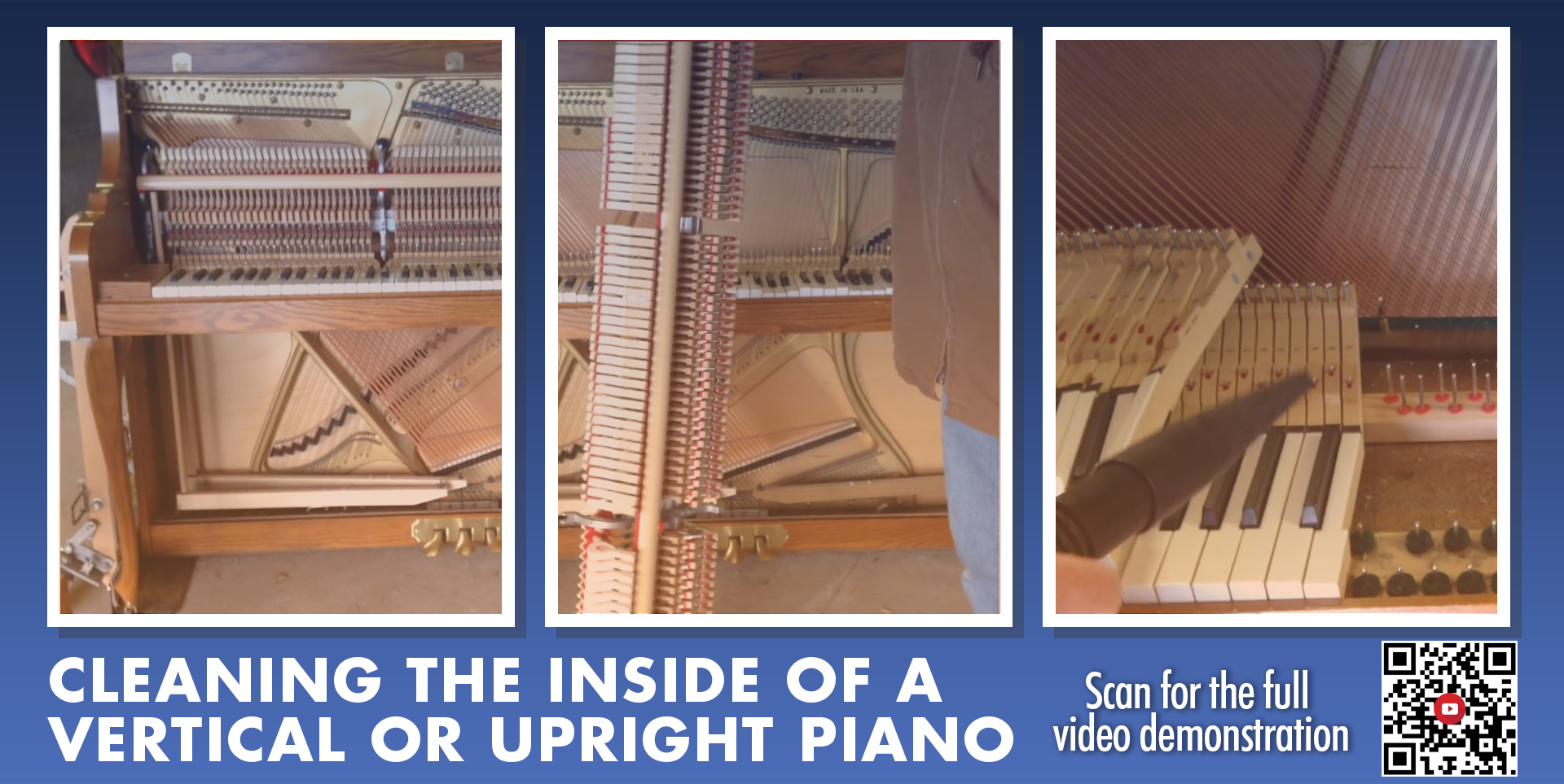
Gather the right tools before you start. This avoids improvising with harmful items.
- Soft natural-bristle brush for dusting. Use small brushes that fit between parts.
- Low-suction vacuum with soft brush attachment. Keep suction low to avoid sucking felt.
- Microfiber cloths for keys and wood. Use dry or barely dampened cloths.
- Compressed air canister for tight spots. Use short bursts held upright.
- Cotton swabs for small areas. Slightly moisten for sticky grime.
- Gloves and safety glasses. Protect your hands and eyes.
- Mask to avoid breathing dust. Fine dust from old felt can irritate lungs.
How to clean inside of upright piano safely starts with these tools. Using the wrong tool is the most common mistake I see.

Safety precautions before you begin
Turn off and unplug any electronic components and remove power. This prevents shocks and protects pickups or lights. Work in a clean, well-lit room with the piano lid open and stabilized. Avoid wearing jewelry or loose clothing that can catch on strings or moving parts. If your piano is heavy, don’t attempt to move it alone.
Before touching the action, let the instrument rest. If the piano was recently played, allow parts to cool. When you learn how to clean inside of upright piano safely, patience is as important as technique.

Step-by-step: how to clean inside of upright piano safely
Below is a clear sequence. Follow each step slowly. If unsure, stop and consult a pro.
1. Preparation and inspection
- Close and lock the keyboard cover to protect keys while you open the upper panel.
- Check for loose parts, broken felt, rust, or pest droppings. Note any repairs needed.
- Photograph the interior before you work. Photos help you reassemble and document condition.
2. Remove loose dust
- Use the soft brush to gently push dust toward an opening. Brush along grain and away from felt.
- Hold a low-suction vacuum 2–3 inches away. Never touch felt or hammers directly with the nozzle.
- Use short, gentle vacuum bursts. This removes dust with minimal disturbance.
3. Clean the keys
- Wipe ivory or plastic keys with a dry microfiber first. For grime use a barely damp cloth with water or mild soap.
- Wipe from back to front to avoid moisture seeping between keys. Dry immediately with a clean cloth.
- Do not use alcohol or harsh solvents on old keys or veneers.
4. Tidy the action and hammers
- Brush felt surfaces lightly. Always brush with the natural direction of felt fibers.
- Avoid spraying cleaners. Liquids can deform felt and glue.
- For sticky keys or gummed action, use a professional technician. This is delicate work and easy to damage.
5. Clean the strings and tuning pins
- Wipe strings gently with a dry cloth. Use a second cloth to remove residue.
- Do not oil or lubricate pins. Lubricants attract more dirt and can affect tuning.
- If rust appears, consult a technician. String replacement is often the safest option.
6. Soundboard and bridges
- Dust the soundboard by brushing along the wood grain. Never press hard.
- Check for cracks and loose bridges. Structural issues need pro assessment.
- Keep humidity stable to avoid soundboard warping.
7. Pedals and external hardware
- Clean pedals with a damp cloth and dry immediately. Minor tarnish can be polished with appropriate metal polish used sparingly.
- Tighten loose screws gently. Avoid stripping old screws.
8. Final check and gentle play test
- Close panels and test each key slowly. Listen for changes in tone or sticking.
- If any key or note behaves oddly, stop and consider professional service.
Practicing how to clean inside of upright piano safely in steps like these will protect your instrument and your investment.

When to call a professional
Call a piano technician for sticky keys, broken parts, rusted strings, major squeaks, or if you find evidence of pests. Major cleaning involving action removal or humidity control is best left to trained techs. If you’re unsure how to clean inside of upright piano safely for a specific problem, a pro can diagnose and prevent costly mistakes.
Common mistakes to avoid
Avoid these errors that cause the most damage.
- Using household sprays or solvents on felt and wood. These can dissolve glue and felt.
- Applying strong vacuum suction directly to felt or hammers. Suction can compress and deform felt.
- Letting moisture sit on keys or inside the cabinet. Moisture causes swelling and mildew.
- Forcing parts or removing screws without knowledge. You may misalign action parts.
- Skipping regular light maintenance. Small dust build-ups become bigger problems.
When you learn how to clean inside of upright piano safely, thoughtful restraint beats aggressive cleaning.

Maintenance schedule and long-term care
A simple plan keeps your piano healthy.
- Weekly: Dust the exterior and keys with a soft cloth.
- Monthly: Light interior dusting with a brush and low suction vacuum.
- Annually: Full inspection and professional tune and check-up.
- Climate: Maintain 40–50% relative humidity and stable temperature to protect wood and glue.
Consistent care reduces the need for heavy cleaning and helps you avoid costly repairs. Remember that knowing how to clean inside of upright piano safely includes regular checks, not just one deep clean.
Personal tips and lessons learned
From years of service work I learned a few things the hard way. Once I used a too-strong vacuum on a century-old action and compressed the felts—repair was time-consuming. Now I always start with the soft brush and work slowly. Photographing before disassembly has saved me many headaches. Treat each piano like a living object; small hands and gentle tools work best.

Frequently Asked Questions of how to clean inside of upright piano safely
What is the safest way to remove dust from inside an upright piano?
Use a soft natural-bristle brush and a low-suction vacuum held a few inches away. Work gently and avoid touching felt or action parts directly.
Can I use household cleaners on piano keys and wood?
No. Mild soap and water on a barely damp cloth are safe for keys; use a dry microfiber for wood. Avoid alcohol, solvents, and furniture sprays near the action.
How often should I clean the inside of my upright piano?
Light dusting every month and a professional check annually is a good rule. Heavy cleaning is only needed when dust or grime visibly affects function or tone.
Are compressed air cans safe for piano interiors?
Compressed air can be useful for tight spots if used in short bursts and held upright. Avoid high-pressure blasts near felt or delicate mechanisms.
When should I call a piano technician instead of cleaning myself?
Call a pro for sticky keys, broken action components, rust, or pest damage. If cleaning requires removing the action or handling glued parts, a technician should handle it.
Conclusion
A careful, patient approach is the best way to keep your upright piano healthy and sounding great. Follow the safe steps above to learn how to clean inside of upright piano safely, and practice light maintenance regularly to prevent major issues. If a problem looks serious, contact a professional technician. Try these tips on your next cleaning, subscribe for more piano care guides, or leave a comment with your piano questions.

Senior Music Reviewer
Alex Carter is a seasoned music reviewer with over a decade of experience in the world of sound and instruments. Passionate about helping musicians and enthusiasts make informed choices, he brings sharp insights and in-depth knowledge to every review. From classical instruments to modern gear, Alex combines technical expertise with a love for music to deliver content that resonates with readers.
As a Senior Music Reviewer and expert author on Tuneluma.com, Alex is dedicated to sharing honest evaluations, practical advice, and thoughtful commentary to guide readers in their musical journey.