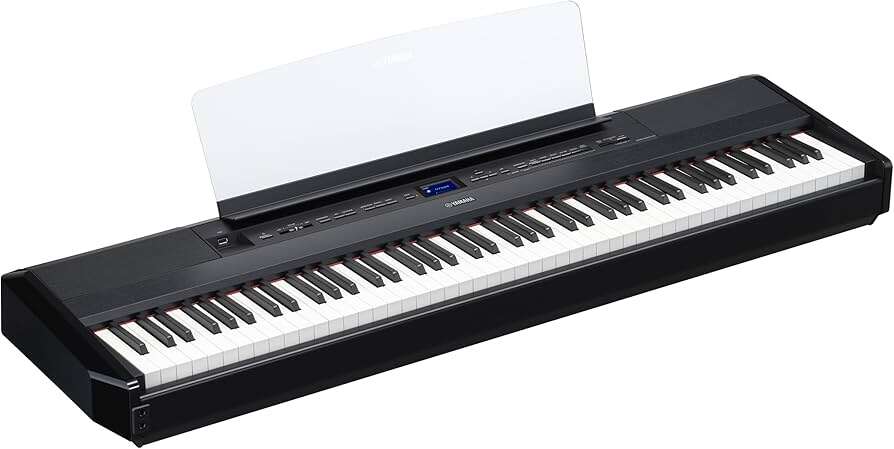
How To Transition From Keyboard To Acoustic Piano: Tips
Start by relearning touch, weight, and pedal control on a fully weighted acoustic instrument.
I’ve guided dozens of students through how to transition from keyboard to acoustic piano. I know the common surprises: heavier keys, delayed resonance, and a new sense of pedal responsibility. This guide breaks down the technical differences, step-by-step practice plans, gear choices, maintenance, and realistic timelines so you can move from digital comfort to an expressive acoustic piano with confidence. Read on for clear, practical steps and real-world tips based on experience teaching and performing.
Why the transition matters
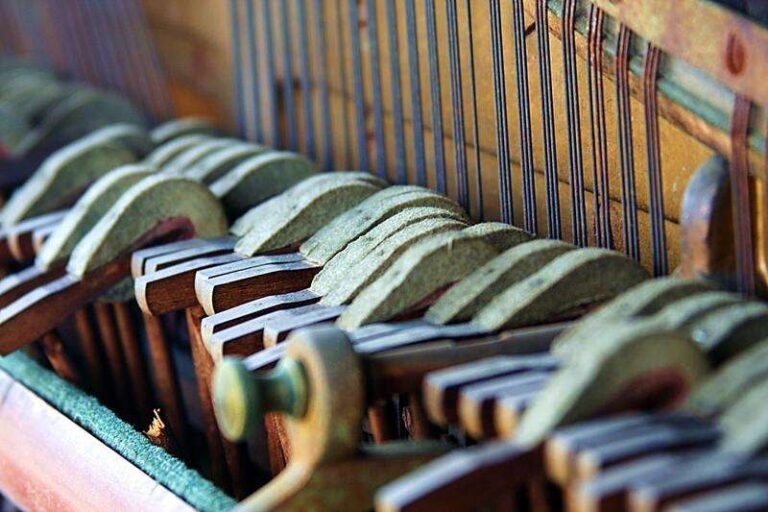
Moving from a keyboard to an acoustic piano changes how sound is made and how you must play. Acoustic pianos use hammers and strings. That creates true resonance that reacts to touch and timing.
This difference affects dynamics, phrasing, and timing. Learning how to transition from keyboard to acoustic piano helps you unlock deeper tone control and musicality. You’ll also avoid bad habits that can limit progress on acoustic instruments.

Key technical differences to master
Understanding what is different helps plan focused practice.
- Action and key weight: Acoustic keys are heavier and return differently than most keyboards.
- Key travel: Travel distance is usually longer on an acoustic piano.
- Hammer response: Hammers shape tone; subtle finger choices change spectrum and loudness.
- Pedals: Sustain and una corda behave differently on an acoustic piano.
- Resonance and sustain: Sound blends and sustains naturally in the instrument and room.
Each of these factors matters when you learn how to transition from keyboard to acoustic piano. Treat them as separate skills to master.
Step-by-step practice plan to transition
A clear, simple plan speeds progress. Follow these steps over weeks and months.
- Assess your starting point. Play scales, simple pieces, and a metered etude to judge touch and timing.
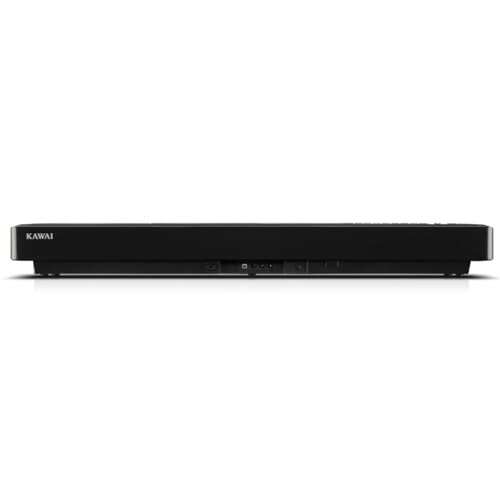
- Add a weighted keyboard first if you can. Spend 2–4 weeks on a fully weighted model before moving to acoustic.
- Short focused sessions. Practice 20–30 minutes on the acoustic piano at first. Build endurance slowly.
- Finger and wrist control. Use slow scales and Hanon-style exercises to feel the heavier action.
- Work on half-pedaling and timed releases. Practice holding a chord while releasing pedal in measured steps.
- Practice with dynamic targets. Play the same phrase at pp, mp, mf, f to learn control.
- Record and compare. Record a short piece on keyboard and piano to hear differences. Adjust technique.
- Take lessons or an occasional coaching session to get feedback.
This plan outlines how to transition from keyboard to acoustic piano in practical steps. Be patient and consistent.
Relearning touch, tone, and dynamics
Touch is central on an acoustic piano. You must adjust finger weight and arm use.
- Practice slow scales with a focus on even tone. Keep fingers round and use arm weight to shape sound.
- Use single-note dynamics drills. Play a scale that crescendos and decrescendos within two bars.
- Work on release timing. Let notes breathe and learn when to lift fingers for clarity.
- Try controlled staccato and legato drills. Acoustic hammers respond differently for each.
These drills help you internalize the tactile feedback you need when you learn how to transition from keyboard to acoustic piano.

Pedal technique and voicing
Pedal skill is often the biggest gap for keyboard players. Acoustic pedals change the sound in layered ways.
- Sustain pedal basics. Learn full lift, half-pedal, and delayed lift techniques.
- Practice with single-line melodies. Hold the pedal to blend tones and then sharpen by lifting precisely.
- Focus on voicing within chords. Use fingertips and top-joint movement to bring out melody notes.
- Use slow practice to match voicing and pedal. Work in small sections and listen closely.
Mastering pedal and voicing is a major part of how to transition from keyboard to acoustic piano well.
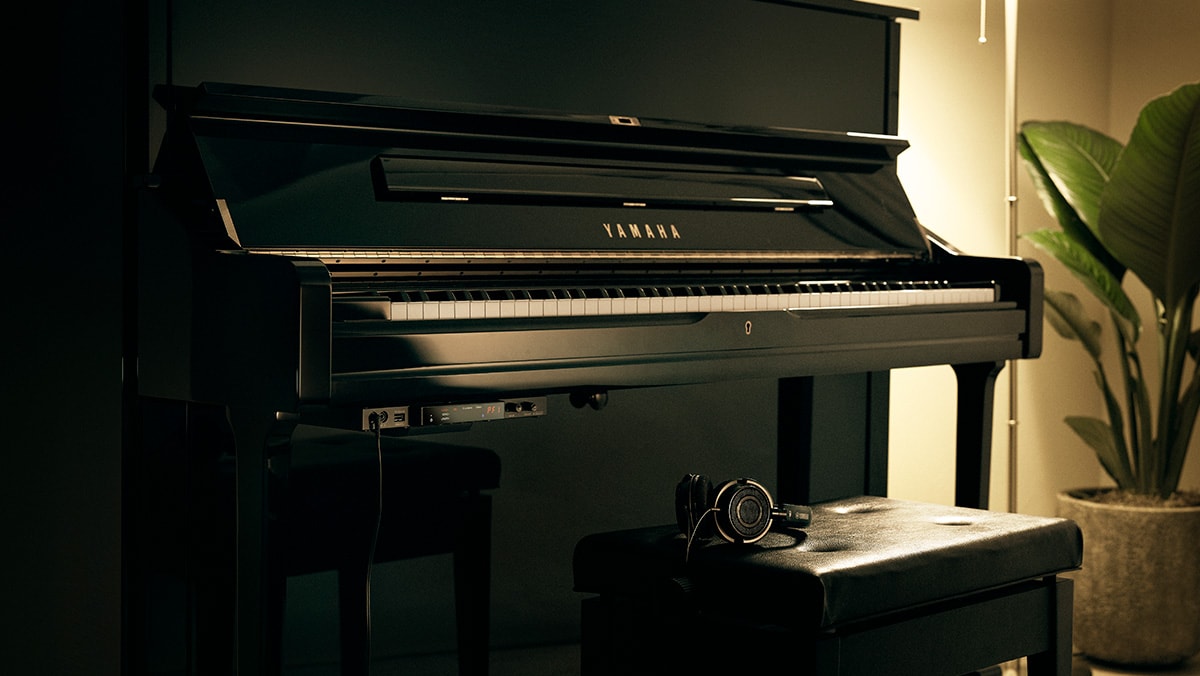
Choosing the right acoustic piano
A good first acoustic piano makes the transition smoother. Consider these factors.
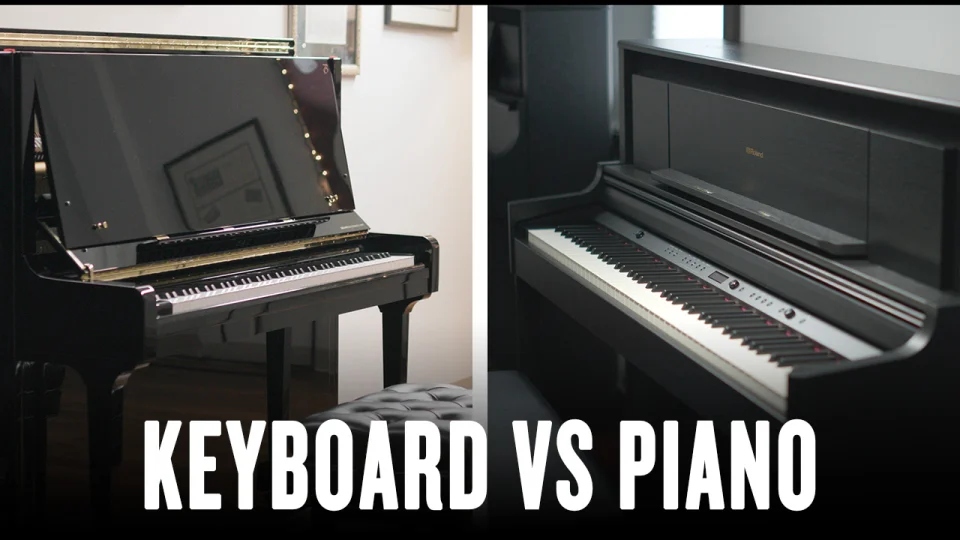
- Upright vs grand. Uprights save space and cost less but have different action and tone. Grands offer better repetition and richer bass.
- Action quality. Test key descent, return speed, and consistency across registers.
- Tuning and condition. A well-tuned piano with clean voicing is easier to learn on.
- Budget and used options. A high-quality used piano often beats an entry-level new model.
Choosing the right instrument is a practical step when planning how to transition from keyboard to acoustic piano.

Maintenance, setup, and tuning
Acoustic pianos need care. Proper maintenance keeps the instrument responsive.
- Regular tuning. Tune at least twice a year for home pianos in stable climates.
- Humidity control. Use a humidifier or dehumidifier to avoid cracks and action issues.
- Action regulation. Have a tech adjust key height, hammer distance, and pedal travel as needed.
- Cleaning and voicing. Occasional cleaning and voicing help tone and playability.
Good maintenance ensures you keep the gains you make while you learn how to transition from keyboard to acoustic piano.

Timeline and realistic expectations
Expect a gradual shift. Everyone adapts at their own pace.
- First week: notice heavier keys and different timing. Build comfort in short sessions.
- One to three months: improve control of dynamics and begin consistent pedaling.
- Three to twelve months: refine tone, voicing, and repertoire on the acoustic piano.
- Ongoing: continual improvement as you learn to shape sound and express musical ideas.
This timeline helps set realistic goals for how to transition from keyboard to acoustic piano without frustration.

Personal experience and lessons learned
I moved from a home synth to an upright when I started teaching. The keys felt denser. My students sounded small at first. I focused on slow scales and half-pedaling. Within three months, phrases opened and tone improved.
Lessons I learned are simple. Start slow. Use short, daily sessions. Get a teacher’s feedback. Avoid rushing repertoire before nailing touch and pedal.
When I help students make how to transition from keyboard to acoustic piano less scary, they almost always improve faster than expected.
Additional resources and tools
These tools support your transition. Use them often.
- Metronome. Builds precise timing and control.
- Recording device. Hear real differences between keyboard and piano.
- Method books. Choose books that teach dynamics and touch, not just notes.
- Teacher or coach. Regular feedback speeds learning and corrects bad habits.
These resources make how to transition from keyboard to acoustic piano smoother and more predictable.
Frequently Asked Questions of how to transition from keyboard to acoustic piano
Will my keyboard technique carry over to an acoustic piano?
Yes. Basic finger patterns and reading skills carry over. You will need to adapt to heavier touch, key travel, and acoustic resonance.
How long does it take to feel comfortable on an acoustic piano?
Comfort varies, but many players feel notably better in one to three months with regular practice. Full confidence often comes after several months of focused work.
Do I need private lessons to switch successfully?
Lessons help, but they aren’t mandatory. Structured guidance speeds progress and prevents bad habits, so periodic lessons are recommended.
Is a fully weighted keyboard enough preparation?
A fully weighted keyboard helps bridge the gap. It won’t replicate hammer action and acoustic resonance, but it reduces the initial shock when you move to a real piano.
How should I practice pedals if my keyboard has no real sustain pedal?
Practice controlled releases and listening where possible. Use a sustain pedal on the keyboard if available, or simulate pedal timing with finger legato and targeted listening.
Conclusion
Moving from a keyboard to an acoustic piano is a rewarding step that deepens your musical control. Focus on touch, pedal skill, and steady, focused practice. Use a plan, choose the right instrument, and get feedback from a teacher when possible.
Take action this week: try one focused 20-minute acoustic session, record it, and compare it to your keyboard playing. Share your progress or questions below and keep practicing—your tone and expressiveness will grow with each small step.

Senior Music Reviewer
Alex Carter is a seasoned music reviewer with over a decade of experience in the world of sound and instruments. Passionate about helping musicians and enthusiasts make informed choices, he brings sharp insights and in-depth knowledge to every review. From classical instruments to modern gear, Alex combines technical expertise with a love for music to deliver content that resonates with readers.
As a Senior Music Reviewer and expert author on Tuneluma.com, Alex is dedicated to sharing honest evaluations, practical advice, and thoughtful commentary to guide readers in their musical journey.