How To Test Piano Tuning Stability Before Buying: Checklist
Check pitch stability by listening for beats, measuring pitch drift, and inspecting pins and strings.
I’ve tuned and inspected hundreds of pianos for sale. I will show you clear, practical steps on how to test piano tuning stability before buying. Read on to learn what to listen for, what tools to bring, how to run quick checks, and how to read the results like an experienced technician.
Why tuning stability matters
A piano that can’t hold tune loses musical value fast. Tuning instability makes playing annoying and costly. It can point to issues with pins, strings, the pinblock, or the environment. Knowing how to test piano tuning stability before buying helps you avoid surprise repairs and added expense.

What affects tuning stability
Tuning stability comes from hardware and environment. Here are the main factors to check.
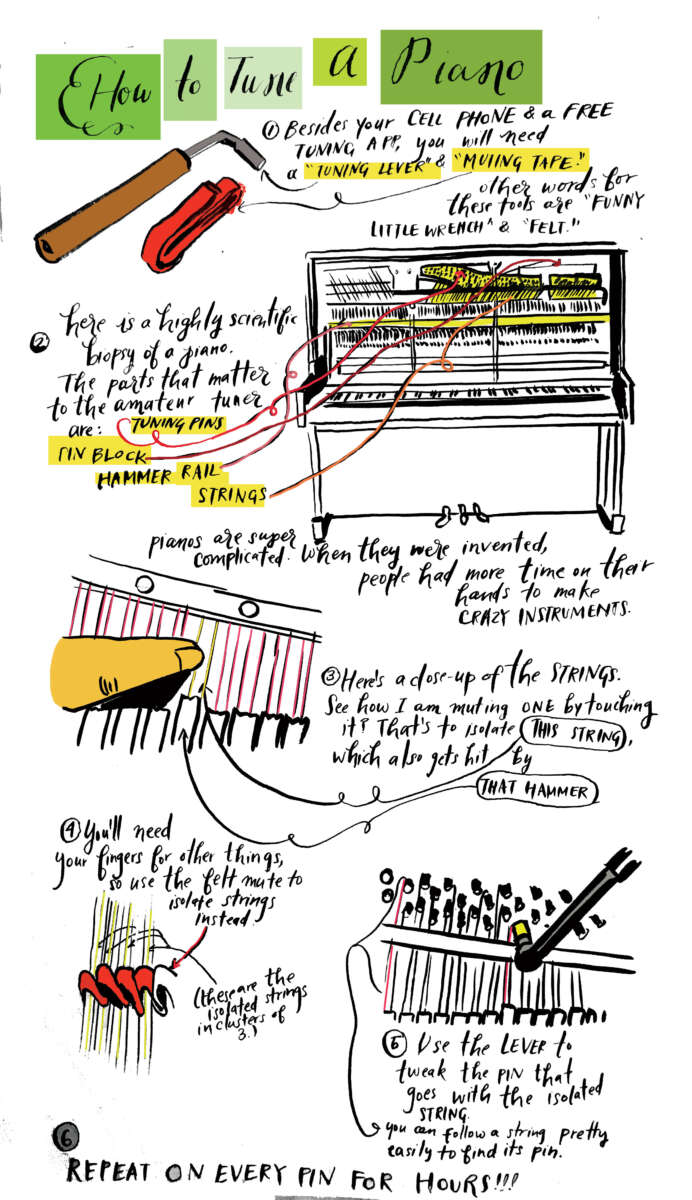
Pinblock and tuning pins
Tuning pins hold string tension. If pins slip or the pinblock is worn, the piano will drift. Loose pins mean frequent retuning.
Strings and bridges
Old or corroded strings slip or stretch. Bridges that are cracked or warped change how tension transfers, hurting stability.
Soundboard and humidity
Wood expands and contracts with humidity. A swollen or dry soundboard can change pitch across the whole instrument. Rapid changes cause fast drift.
Recent work and tuning history
A piano recently restrung or left unregulated may take time to settle. A credible seller or serial service notes help predict short-term stability.
Tools and quick checks to bring
Bring a small kit to test on the spot. Keep it simple and reliable.
- Chromatic tuner app or handheld tuner calibrated to A440
- Small flashlight to inspect pins, strings, and pinblock
- Paper and pen to note observations
- Hygrometer to measure relative humidity
- A trusted piano technician’s contact for follow-up
Using a tuner app is fast. A hygrometer helps spot unstable environments. A flashlight reveals visible damage that predicts instability.

Step-by-step: How to test piano tuning stability before buying
Follow these short steps when you inspect a piano at a seller’s location.
- Check the environment first
- Note room humidity and temperature. Humidity between 40–60% is best. Very dry or very damp rooms often cause tuning drift.
- Verify recent tuning history
- Ask when the piano was last tuned and if any major work was done. A recent good tuning is a good sign.
- Measure pitch (A440 check)
- Tune your tuner to A440. Play the A above middle C and record the reading. A stable pitch should be close to 440 Hz. Large deviations can indicate long-term neglect.
- Listen for beats in octaves and fifths
- Play octaves and fifths across the keyboard. Count or listen for beats. Rapid, loud beats can mean stretched tuning or instability in specific sections.
- Do a pitch-drift quick test
- Play a note, wait 10 minutes of idle time, then play it again and note any change. Do this for a few notes across the range. Significant drift in minutes or hours suggests tuning instability.
- Test tuning pin grip
- Gently try to move a tuning pin by playing hard near a string or by lightly touching a wrench with minimal force (only if you know how). If pins slip easily, the pinblock may be bad. When unsure, skip and ask a pro.
- Inspect pins, strings, and the pinblock
- Use a flashlight to look for rust, cracks, or wood splitting. Warped bridges or cracked soundboards are red flags for future instability.
- Check repeated note stability
- Strike the same note several times over a minute and listen for subtle pitch changes. This can reveal settling strings or loose pins.
- Ask for a follow-up or warranty
- If the seller allows a technician check or offers a short warranty on tuning, that reduces your risk.
This list shows how to test piano tuning stability before buying with steps you can run yourself. If anything feels uncertain, bring a tech.

Interpreting results and common red flags
Know what to accept and when to walk away.
- Small drift after moving a piano is normal. Expect some settling over days.
- Fast drift in minutes or persistent beats in one area are warning signs.
- Loose pins, missing coils on strings, or visible pinblock damage are high-risk problems.
- Large pitch differences from A440 without history of recent tuning suggest neglect.
If you find multiple red flags, expect repair costs. A re-pin or full restring is expensive. Use your inspection to negotiate price or request a technician’s check before purchase.

Checklist to use when inspecting a piano
Use this short checklist while on site. It helps you stay focused.
- Room humidity reading recorded
- Date of last tuning confirmed
- A440 pitch measured and recorded
- Beat checks across octaves and fifths done
- Pitch-drift quick test for 3–5 notes performed
- Visual inspection of pins, strings, bridges, soundboard done
- Pin grip tested or noted as “needs pro”
- Seller agrees to technician inspection or short warranty
This checklist helps you document evidence when discussing price or repairs.

Personal experience and lessons learned
I once nearly bought a good-looking upright that sounded fine in a showroom. After a day at my home, several notes drifted badly. The seller had tuned it the week before to make a quick sale. Lesson learned: a recent tuning doesn’t replace stability testing. Always run a pitch-drift test and inspect hardware. When I bring a hygrometer and tuner, I avoid most bad buys. When in doubt, hire a technician to do a full check. Their eye catches subtle pinblock wear and bridge issues I might miss.
Frequently Asked Questions of how to test piano tuning stability before buying
How long should a piano hold tune to be considered stable?
A well-maintained piano should stay within a few cents for weeks. If it drifts noticeably in days or hours, it may be unstable.
Can I test stability with just a phone tuner app?
Yes. A phone tuner app is usually accurate enough for quick checks like A440, beat detection, and short-term drift. Use a good app and a quiet room.
Is humidity the main cause of tuning problems?
Humidity is a major cause but not the only one. Pinblock wear, old strings, and structural damage also cause instability.
Should I move a piano before testing stability?
Avoid moving the piano right before testing. Allow it to sit in the room for a day if possible, so it acclimates and gives a truer picture of stability.
When should I call a technician?
Call a technician if you find loose pins, rapid pitch drift, big beats, or visible structural damage. For major purchases, a pro inspection is worth the cost.
Conclusion
You can avoid a costly mistake by knowing how to test piano tuning stability before buying. Use simple tools, run quick checks, and look for signs of hardware or humidity issues. When unsure, bring a trusted technician to confirm. Take action: use the checklist on your next visit, ask for tuning records, and negotiate repairs or price based on your findings. If this guide helped, subscribe, leave a comment, or book a technician for a pro inspection.

Senior Music Reviewer
Alex Carter is a seasoned music reviewer with over a decade of experience in the world of sound and instruments. Passionate about helping musicians and enthusiasts make informed choices, he brings sharp insights and in-depth knowledge to every review. From classical instruments to modern gear, Alex combines technical expertise with a love for music to deliver content that resonates with readers.
As a Senior Music Reviewer and expert author on Tuneluma.com, Alex is dedicated to sharing honest evaluations, practical advice, and thoughtful commentary to guide readers in their musical journey.