How To Reduce Noise When Practicing Piano In Apartment: Tips
Use soft practice, mutes or headphones, room tweaks, and simple soundproofing to cut noise.
I’ve spent years living in tight buildings and practicing piano next to neighbors. I’ll show clear, tested ways to reduce noise when practicing piano in apartment, drawing on hands-on fixes, gear choices, and small room upgrades that actually work. Read on for practical steps, costs, and mistakes to avoid so you can play more and worry less.

Why apartment piano noise matters
Noise from piano practice can strain relationships and limit practice time. Neighbors in apartments often hear bass and sustained tones through floors and walls. Knowing how to reduce noise when practicing piano in apartment stops complaints and helps you practice freely.
Small changes can yield big drops in perceived noise. Also, being proactive shows respect and builds trust with neighbors. These wins are worth a few hours of effort and a modest budget.

Understand where piano sound comes from
Sound travels as airborne waves and structure-borne vibration. Airborne sound is what you hear directly. Structure-borne vibration moves through floors, walls, and ceiling joists. Both play key roles when you wonder how to reduce noise when practicing piano in apartment.
The piano’s low notes carry farther through structure. High notes tend to travel through air. Tamping down either path reduces what neighbors hear and feel.

Practical strategies to reduce noise when practicing piano in apartment
Start with low-effort, low-cost moves. These often solve most issues without major work. Each point below targets common sound paths and habits that raise volume.
- Practice on a digital piano or use a silent system
- Digital pianos with headphones eliminate room sound. Silent systems convert acoustic key action into headphones for acoustic pianos.
- Use a practice mute or felt between hammers and strings
- Many uprights accept a practice mute to soften tone. For grands, a hand or felt strip can reduce sharpness.
- Add soft surfaces
- Thick rugs, heavy curtains, and upholstered furniture soak up airborne sound. Place rugs under the piano and along sound-reflecting walls.
- Isolate the instrument
- Isolation pads or a foam platform under the piano cut structure-borne vibration. Even a dense rug plus a platform reduces impact.
- Pick practice times and communicate
- Practice when neighbors are least likely to be disturbed. A quick note or message about your schedule reduces friction.
- Adjust your technique
- Work on finger control, slow practice, and use less pedal during early or late sessions. Technique change alone can lower loud passages by a lot.
These steps answer the core of how to reduce noise when practicing piano in apartment by mixing gear, room treatment, and behavior.
Soundproofing options: from cheap to professional
Choose an approach based on budget and lease rules. Lower-cost fixes work well for short-term needs. Professional work helps long-term and for heavy bass issues.
- Budget and temporary fixes
- Rugs, moving blankets on walls, and thick curtains. These absorb high frequencies and are easy to remove.
- Furniture placement: bookcases full of books act as diffusers and absorbers.
- Mid-range upgrades
- Mass-loaded vinyl (MLV) under a rug, door seals, and acoustic panels on key reflection points. These cut more airborne sound.
- Isolation platform or rubber pads under the piano’s feet for structure-borne reduction.
- Professional, long-term solutions
- Decoupling floors, adding resilient channels, and installing additional drywall layers with damping compound. These require permission and higher cost but significantly reduce transmission, especially low frequencies.
Limitations: thin walls or shared joists may still allow bass to pass. A combination of approaches usually performs best for how to reduce noise when practicing piano in apartment.

Practice techniques and habits that lower noise
Technique changes help right away and cost nothing. They also improve your playing.
- Use the soft pedal and finger control
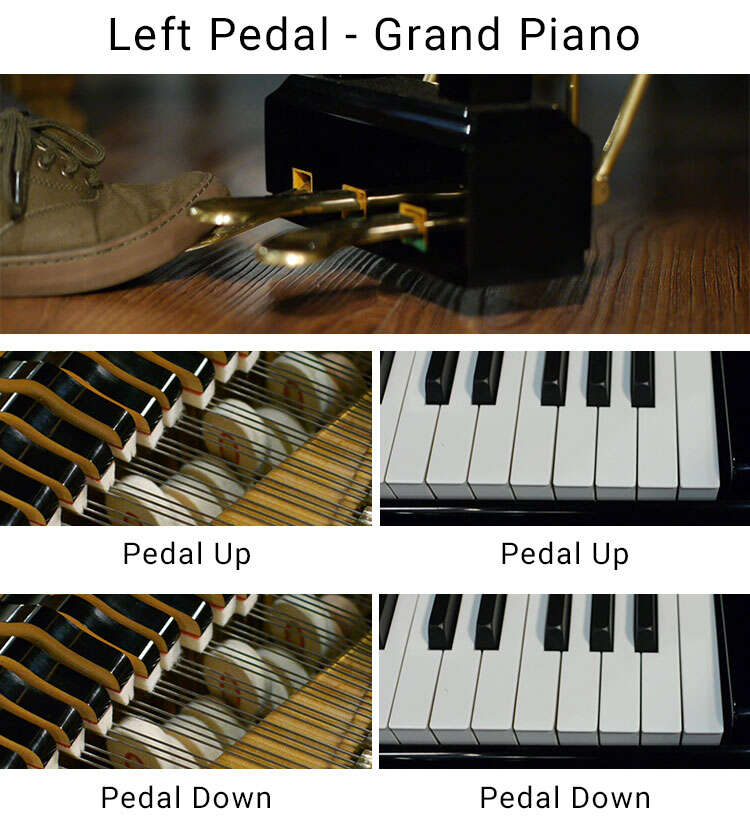
- The soft pedal reduces hammer strike. Practice quiet touch and control.
- Break pieces into low- and high-dynamics sections
- Work loud sections during daytime and sensitive parts in quieter hours.
- Practice sections mentally or using visualization
- Silent mental practice improves memory and reduces the need for repetition at full volume.
- Use shorter, focused sessions
- Frequent short sessions beat one long noisy stretch. This keeps neighbors happier and your progress steady.
- Warm up on headphones or keyboard
- Start on a small keyboard with headphones before moving to the main instrument.
These habits show how to reduce noise when practicing piano in apartment while keeping steady progress.

Equipment and products that help
Investing in the right gear can be a one-time fix with big returns.
- Digital pianos with weighted action
- Play feel mimics acoustic keys. Headphones mean silent practice.
- Practice mutes and felt strips for uprights
- Affordable and effective for daily practice.
- Isolation pads and platforms
- Dense rubber or composite pads under legs reduce vibration transfer.
- High-quality headphones and audio interface
- For silent systems, choose headphones with good low-frequency reproduction to preserve feel.
- Acoustic panels and bass traps
- Panels reduce reflections; bass traps help low end that travels most.
When choosing gear, match your budget, lease constraints, and how to reduce noise when practicing piano in apartment goals.

My personal experience and lessons learned
I once lived above a family with a newborn. I needed to practice daily and keep peace. I switched to a digital stage piano with headphones and bought an isolation platform. I also moved my practice time to late mornings and used rugs and a heavy curtain behind the piano.
The result: fewer complaints, better focus, and steady improvement. Key lessons: talk to neighbors early, start with low-cost fixes, and test changes incrementally.

Common mistakes and how to avoid them
Avoid fixes that look good but underperform.
- Mistake: relying on thin rugs only
- Thin rugs change tone slightly but do little for structure-borne bass. Add mass or isolation under the piano.
- Mistake: using cheap headphones with poor bass
- Bad headphones make playing feel wrong and can lead to overplaying. Invest in comfortable, accurate cans.
- Mistake: ignoring communication
- Neighbors value respect. A note or message prevents most issues.
- Mistake: overinvesting without testing
- Try temporary fixes first to see what helps most for how to reduce noise when practicing piano in apartment.
How to reduce noise when practicing piano in apartment: a quick checklist
Use this checklist to make a plan you can act on today.
- Try headphones or a digital piano for silent practice.
- Add a thick rug and heavy curtains near the piano.
- Put isolation pads under the piano legs or use a platform.
- Install a practice mute or felt strip on an acoustic piano.
- Schedule practice in neighbor-friendly hours and communicate plans.
- Work on touch, pedal use, and short focused sessions.
- Consider acoustic panels or MLV for targeted wall treatment.
- Test changes one at a time and track neighbor feedback.
This checklist summarizes steps to reduce noise when practicing piano in apartment and gives an order to try them.
Frequently Asked Questions about how to reduce noise when practicing piano in apartment
How loud is practicing piano in an apartment?
Piano volume varies with instrument and technique. Digital pianos with headphones are effectively silent to neighbors, while acoustics can be loud, especially low notes.
Will rugs and curtains really help?
Yes. Rugs and curtains absorb reflections and reduce high-frequency noise. They have limited effect on low-frequency vibration, so add isolation for bass.
Can I use a practice mute on any piano?
Most uprights accept a practice mute. Grands may need a manufacturer-approved felt strip or a silent system. Check your piano model before buying a mute.
Are isolation platforms worth the cost?
Isolation platforms are cost-effective for reducing structure-borne vibration. They often cut transmitted noise more than rugs alone.
When should I consider professional soundproofing?
If neighbors still complain after trying basic fixes, or you need high-volume practice, professional solutions may be necessary. These are best when you plan long-term occupancy.
Conclusion
Reducing noise when practicing piano in apartment is a mix of smart gear, room tweaks, and respectful habits. Start with headphones or a mute, add rugs and isolation, refine your technique, and communicate with neighbors. Small steps often yield big peace-of-mind and more practice time.
Take action today: try one low-cost change, note the result, and build from there. If this guide helped, leave a comment or share your own tips so others can play more and worry less.

Senior Music Reviewer
Alex Carter is a seasoned music reviewer with over a decade of experience in the world of sound and instruments. Passionate about helping musicians and enthusiasts make informed choices, he brings sharp insights and in-depth knowledge to every review. From classical instruments to modern gear, Alex combines technical expertise with a love for music to deliver content that resonates with readers.
As a Senior Music Reviewer and expert author on Tuneluma.com, Alex is dedicated to sharing honest evaluations, practical advice, and thoughtful commentary to guide readers in their musical journey.