How To Identify Piano Model And Serial Number: Quick Guide
Check the cast-iron plate, soundboard, fallboard, or inside the lid for stamped model and serial numbers.
I’ve spent years inspecting pianos for repair shops and private buyers, and I’ll walk you through exactly how to identify piano model and serial number with clear steps, practical tips, and real examples. This guide covers where numbers live, how to read them, how to date a piano, and how to use that information to value and care for an instrument.
Understanding piano model and serial number basics
A piano model name identifies the design or series and often the size or style. The serial number is a unique code stamped or printed by the maker that helps date the piano and confirm authenticity.
Knowing how to identify piano model and serial number speeds up appraisals, repairs, and resale decisions. I’ll explain common formats, why manufacturers use different locations, and what each code typically means.
Where to find model and serial number on grand, upright, and digital pianos
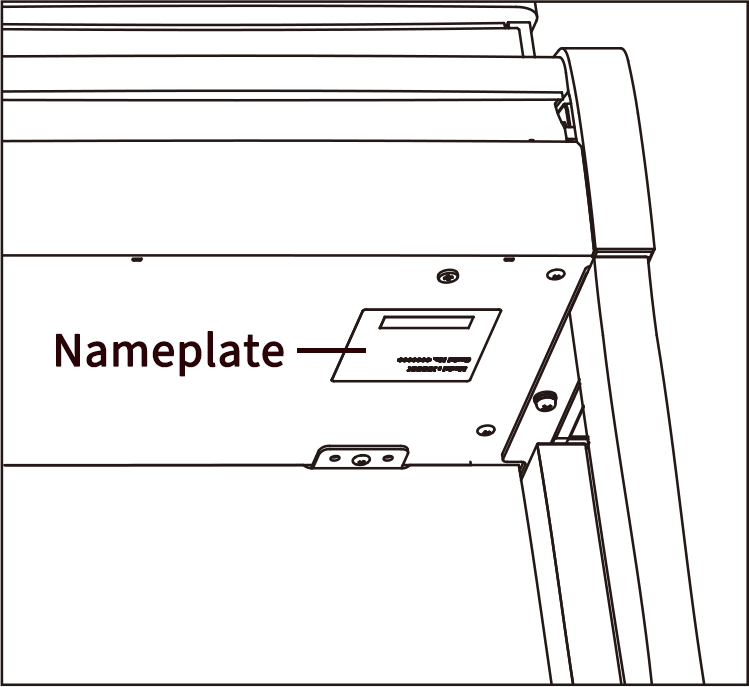
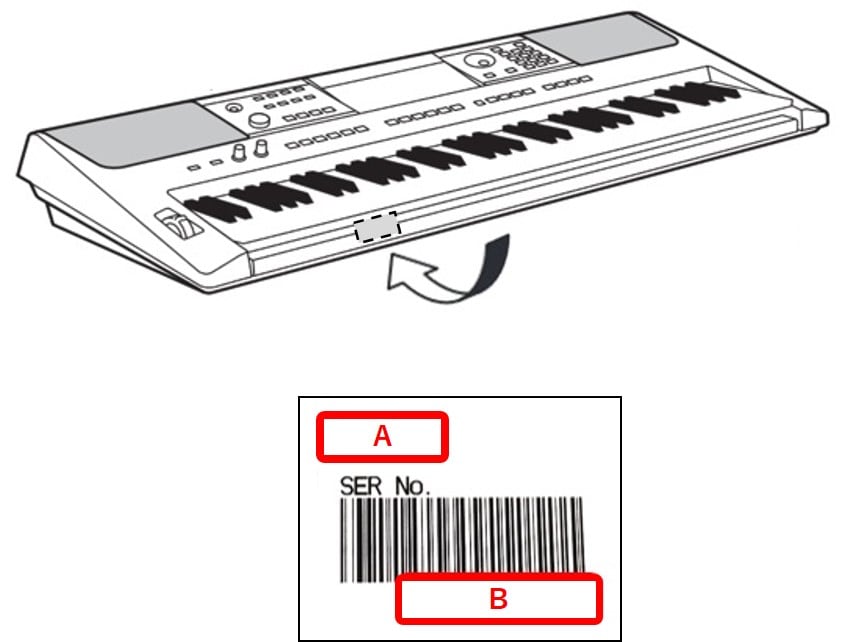
Grand and upright pianos store numbers in different spots. Digital pianos usually have labels or stickers with model and serial info.
Grand pianos
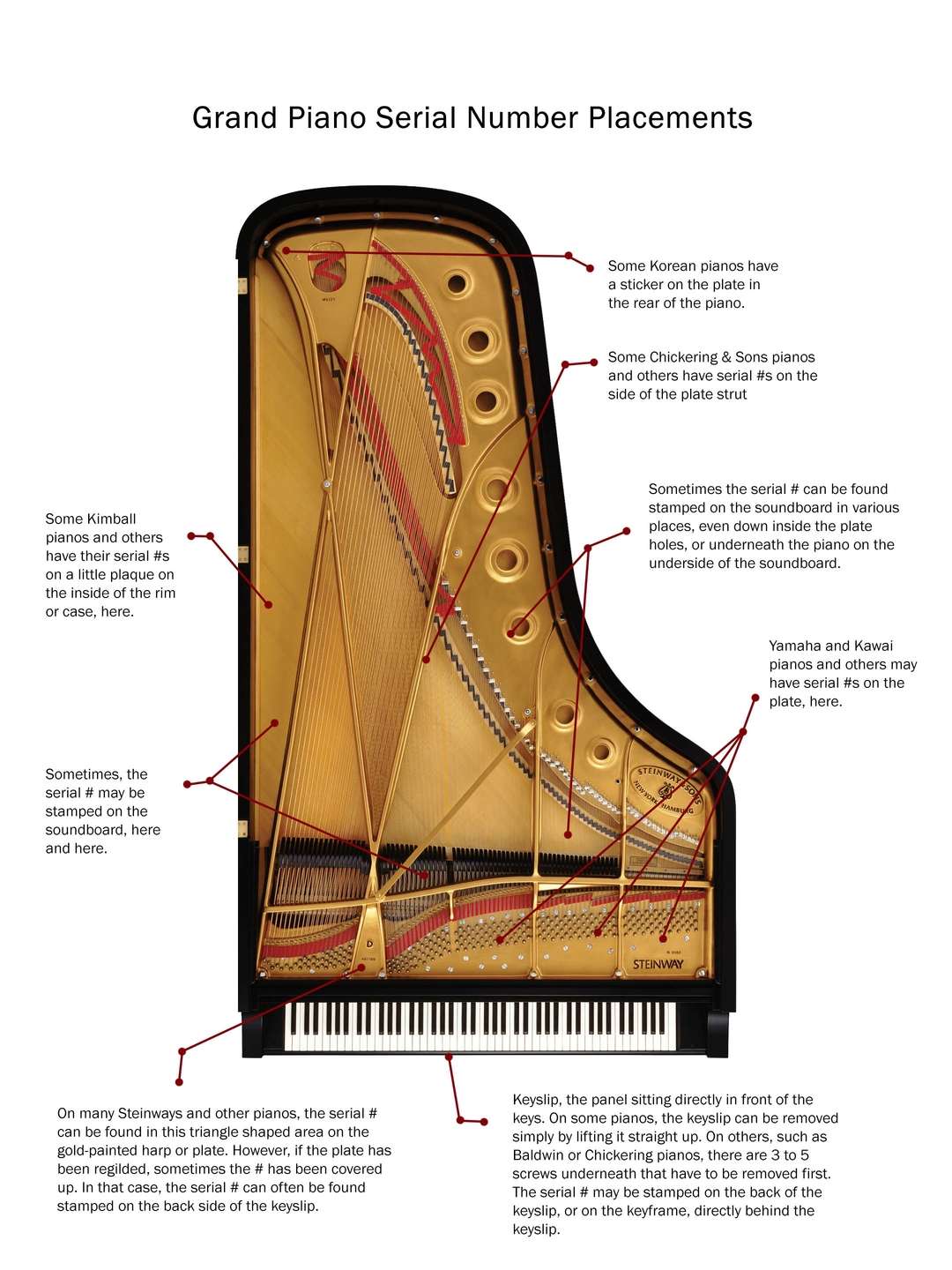
- Look on the cast-iron plate near the tuning pins or under the strings by the tail. The serial number is often stamped on the plate and the model might be printed on the music desk or inside the lid.
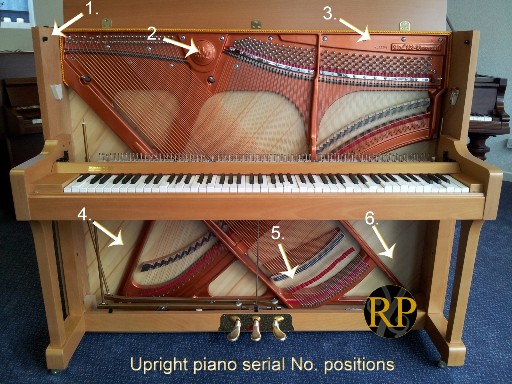
Upright pianos - Check the back of the case near the center, the soundboard (visible through the back or bottom), or behind the fallboard under the keyboard. Some makers stamp the serial on the hinge or on the inner rim.
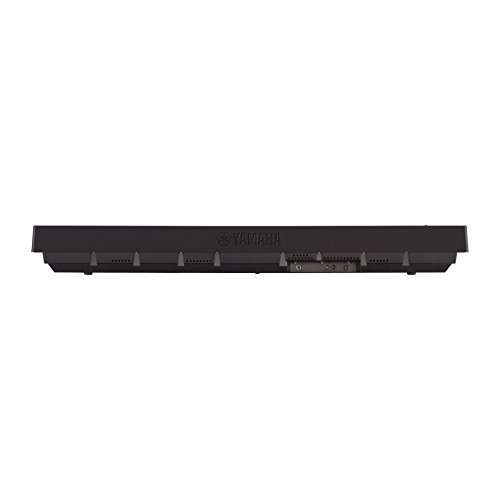
Digital pianos - Look at the back panel, the underside, or inside a battery compartment. Digital models often include a printed model number and barcode-style serial.
What to watch for - Stamps pressed into metal are permanent. Paper labels can fade or be removed, so verify any label with other features like scale design or logo.

Step-by-step guide: how to identify piano model and serial number
Follow this short checklist when you inspect a piano. This sequence helps you avoid missed numbers and false leads.
- Visually sweep obvious spots
- Open the lid, remove the music desk if possible, and scan the cast-iron plate, soundboard, and fallboard.
- Remove top or bottom panels if safe
- For uprights, remove the front panel or keyboard cover carefully to see inner stamps.
- Use a flashlight and mirror
- Shine light into cavities and use a small mirror to read numbers in tight spots.
- Record every marking
- Photograph each number and note any nearby words like model codes, company logos, or factory stamps.
- Cross-check with maker attributes
- Match fonts, logo shapes, and keyboard size to manufacturer features to confirm authenticity.
- Search serial in a database
- Use the serial number with the brand to find manufacture year and model references.

Using online databases and manufacturer resources to identify model and serial number
After you find a number, the next step is verification. Many manufacturers and experts keep serial logs and model lists.
How to search
- Enter the brand and serial into reputable piano serial databases or the maker’s records. Some companies offer PDF lists for dating pianos.
What to expect - Serial formats differ—some are purely numeric, others include letters or prefixes for factories. If no direct hit, compare build features like scale length and string layout.
PAA-style questions
What if my serial number is worn or unreadable? - Try photography at an angle with raking light, or use a magnifier. If still unreadable, consult a technician who can inspect hidden stamping points or remove finish safely.
Can model numbers change across regions? - Yes. Manufacturers sometimes assign regional model codes or rebrand instruments, so combine serial lookups with physical traits for a solid ID.
Common problems when trying to identify piano model and serial number
You will face a few repeated hurdles. Being ready saves time and mistakes.
Faded or missing labels
- Older pianos often have paper tags that peel or fade. Use physical clues and internal stamps when labels are gone.
Repaired or replaced parts - Bridges, plates, or keyboards may be replaced, giving conflicting serials. Trust the plate or soundboard stamps more than removable parts.
Multiple numbers - Pianos sometimes show more than one number (factory parts, registry marks). Note all and prioritize the manufacturer’s primary stamp.
Fraud risks - Rare or high-value brands can be counterfeited. If something feels off, get a professional appraisal.
How model and serial numbers determine age, value, and service needs
Model and serial information tie directly to maintenance and worth. Date and model guide useful next steps.
Dating the piano
- Serial numbers are the fastest route to manufacture year. Age affects expected condition, parts availability, and tuning stability.
Valuation and resale - A sought-after model with early serials may command premium prices. Knowing the exact model and serial avoids lowball offers or overpricing.
Service decisions - Older pianos may need full refelts, pinblock work, or soundboard checks. Use the serial-based age estimate to plan scope and cost.
Personal experiences: lessons from identifying many piano model and serial number cases
I’ve inspected dozens of pianos, from beat-up uprights in basements to well-kept concert grands. Those real jobs taught me practical lessons.
What worked best
- A steady routine—light, mirror, photos, and cross-check—saved time and avoided mistakes. Treat each instrument like a puzzle.
Common mistakes I made early on - Relying solely on paper tags. I once misdated a piano because the label was for a later reconditioning shop. Now I always verify the metal stamp.
One useful trick - Photograph the entire plate and zoom in later. Many numbers show up clearer on a photo than to the naked eye.

Frequently Asked Questions of how to identify piano model and serial number
Where exactly is the serial number on a grand piano?
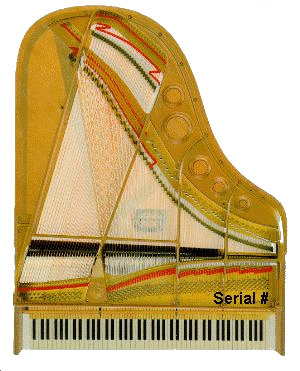
Serial numbers on grands are usually on the cast-iron plate near the tuning pins or by the strings toward the tail. Check under the lid and around the inner rim if you don’t see it at first.
Can I date a piano using only the model name?
Model names help but rarely give a precise year alone. Combine model with the serial number for an accurate manufacture date.
What if a piano has no visible serial number?
If no visible serial appears, inspect deeper places like the soundboard, inner rim, and underside of the plate; if still missing, a technician can help locate hidden stamps or identify maker traits.
Do digital pianos use the same method to find serial numbers?
Digital pianos usually have stickers or printed plates on the back or underside. Serials are often easier to find and less likely to be removed than on old acoustic pianos.
Will a serial number tell me if a piano is authentic?
A serial number helps confirm authenticity but must match known company formats and features. For high-value checks, use manufacturer records or a professional appraisal.
How accurate are online serial number databases?
Many are reliable, but accuracy varies by brand and era. Always cross-check results with maker resources and physical instrument traits.
Conclusion
You now have a clear roadmap for how to identify piano model and serial number: look in the cast-iron plate, soundboard, fallboard, and inside panels; photograph and record every marking; then verify with manufacturer records or databases. Use this process to date a piano, plan repairs, and set a fair price. Try these steps on your next inspection, and if you hit a snag, consider a short consult with a technician or appraiser. Share your finds, ask questions below, or subscribe for more practical piano tips.

Senior Music Reviewer
Alex Carter is a seasoned music reviewer with over a decade of experience in the world of sound and instruments. Passionate about helping musicians and enthusiasts make informed choices, he brings sharp insights and in-depth knowledge to every review. From classical instruments to modern gear, Alex combines technical expertise with a love for music to deliver content that resonates with readers.
As a Senior Music Reviewer and expert author on Tuneluma.com, Alex is dedicated to sharing honest evaluations, practical advice, and thoughtful commentary to guide readers in their musical journey.