How To Stop Piano Keys From Sticking In Humid Weather: Tips
Keep humidity steady, clean key edges, and use a dehumidifier or soft lubricant.
I’ve tuned, fixed, and cared for dozens of pianos in humid basements and coastal homes. This guide explains exactly how to stop piano keys from sticking in humid weather, why it happens, and what you can do today to fix and prevent it. I combine hands-on piano technician experience, simple tools, and clear steps so you can protect your instrument and keep the action smooth.

Why humidity makes piano keys stick
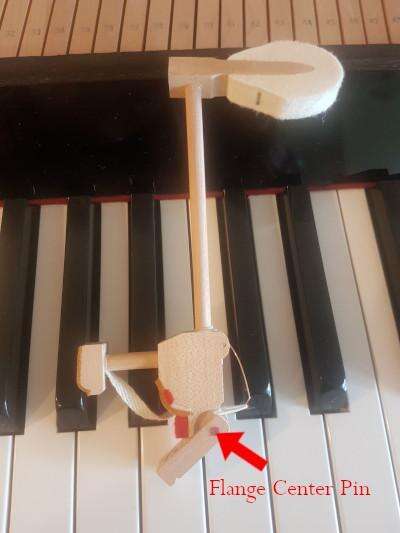
Wood and felt in a piano absorb moisture from the air. That causes parts to swell and rub. Key bushings, keytops, and action parts are all affected. Understanding this helps you target the right fixes for how to stop piano keys from sticking in humid weather.
Immediate fixes to free sticking keys
Start with gentle, safe actions before you touch the action assembly. Quick fixes often solve the problem without opening the piano.
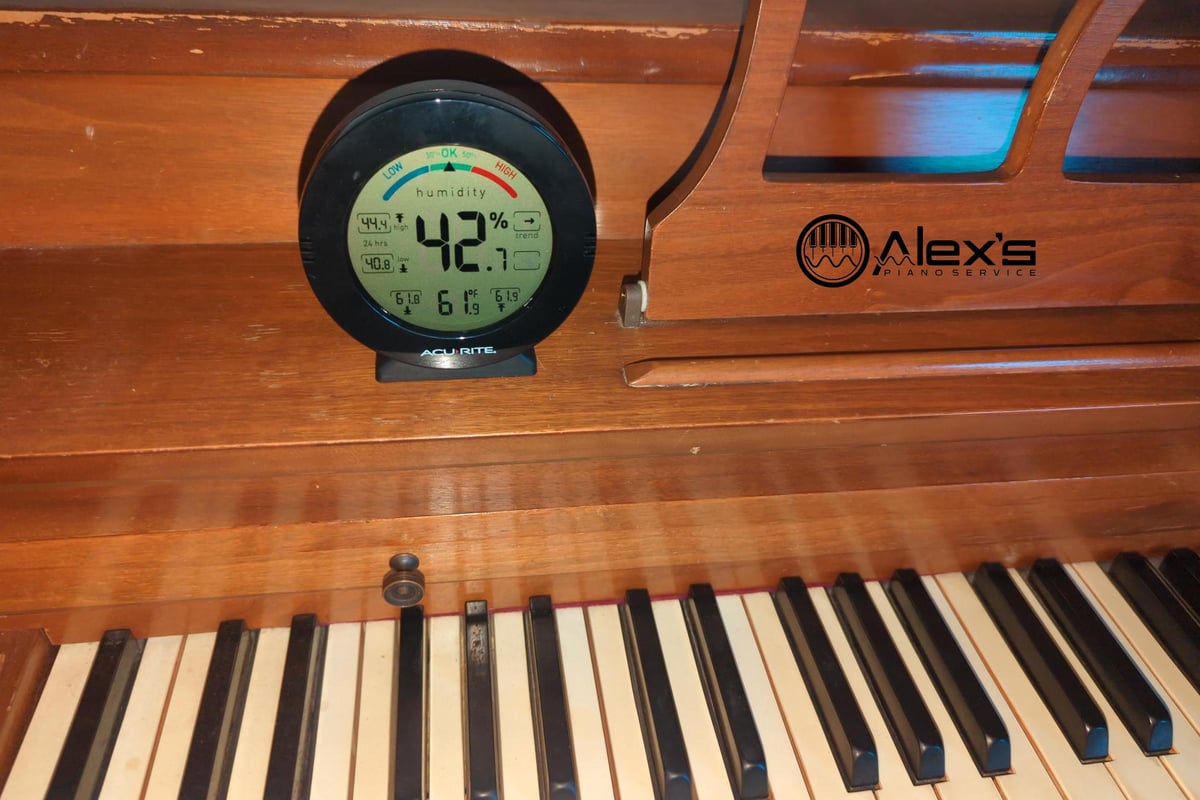
- Check room humidity with a hygrometer. Aim for 40–50% relative humidity.
- Remove surface debris. Use a soft cloth along the key edges to clear dust and dirt.
- Tap gently around the sticking key with the palm. This can reseat a swollen bushing.
- Use compressed air in short bursts to blow out dust from the key gap.
If a key is only mildly sticky, these steps usually help. For deeper swelling, try these careful steps.
- Lift the fallboard and press the key down to identify where it binds.
- Apply a thin piece of paper between the sticking key and neighbor and pull it through to identify friction points.
- If friction is at the bushing, avoid sanding; instead proceed to humidity control or professional servicing.
These steps are the fastest ways to stop keys sticking today and are safe for most pianos. They also form the first line of defense in how to stop piano keys from sticking in humid weather.
Preventive measures and humidity control
Preventing stickiness is better than fixing it repeatedly. Good humidity control is the top preventive measure.
- Use a reliable hygrometer to monitor humidity daily.
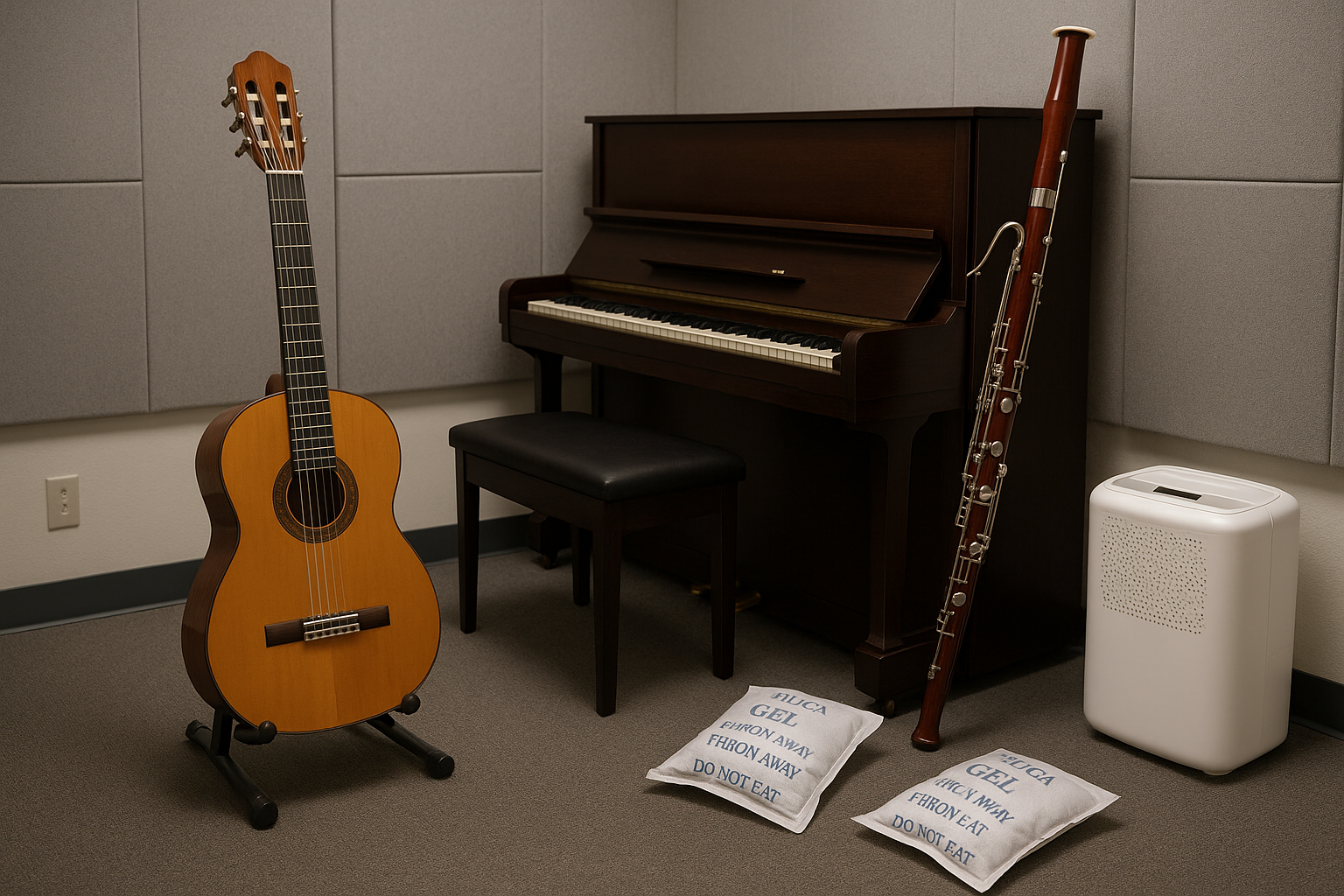
- Install a room dehumidifier when humidity rises above 55%.
- For high-value pianos, consider a piano humidity control system installed inside the case.
- Keep the piano away from exterior walls, windows, and direct sunlight.
Stable humidity prevents wood from swelling and felt from becoming tacky. A dehumidifier and stable room climate are the best long-term solutions for how to stop piano keys from sticking in humid weather. Small bumps in humidity cause small problems; steady control prevents major repairs.
Cleaning and lubrication for keys
Proper cleaning and safe lubrication can keep keys smooth without harming finishes or materials.
- Clean keytops with a soft cloth and mild soap solution. Avoid excess water.
- Clean the key edges and gaps with a cotton swab dampened lightly with rubbing alcohol. Test on a hidden spot first.
- Do not use household oils on action parts. Use piano-approved lubricants only and sparingly.
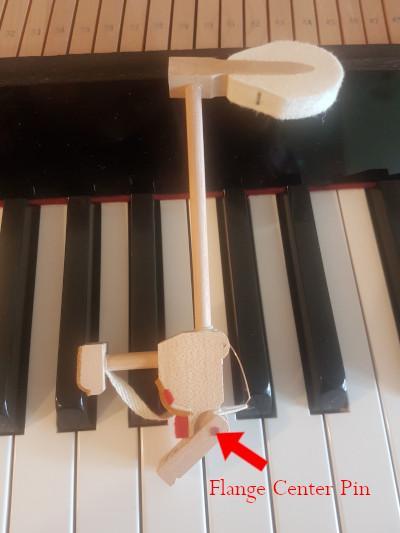
- If key bushings or guides are dry or tacky, a trained technician can apply appropriate materials to restore smooth motion.
I once used a tiny amount of a piano-approved graphite lubricant on a stubborn guide, and the key movement returned without side effects. Improper cleaning or chemical use can damage ivory, plastic, or veneer. Follow safe materials and test any product before broad use.

When to call a professional: repair and adjustment options
If keys remain sticky after basic steps, get a technician. Professional care can fix deeper causes such as worn key bushings, warped wood, or action misalignment.
- Key bushing replacement or re-felting may be needed for persistent rubbing.
- Key leveling and regulation restore consistent touch and can resolve binding.
- Tone and action technicians can install humidity control hardware inside the piano.
- Major wood swelling or case issues sometimes require climate stabilization before repairs.
A technician will diagnose whether the problem is mechanical or environmental. For long-term success and to fully stop how to stop piano keys from sticking in humid weather, combine repair work with humidity control.

My experience and practical tips from the field
I’ve worked on uprights and grands in coastal homes and humid basements. The pattern is consistent: unstable humidity leads to repeat stickiness. I learned to always start with a hygrometer and simple cleaning. Mistakes I made early on included using household oils and sanding key bushings myself — both caused more problems. Now I recommend slow, tested fixes first and professional help when the issue is beyond basic cleaning.
A key takeaway from real work is this: small, steady habits protect the piano better than occasional big fixes. Keep your room stable and check keys monthly in humid seasons. These simple habits reduce the need for major intervention and solve how to stop piano keys from sticking in humid weather over time.
Related concepts to understand
- Key bushings: small felt-lined holes where the key pivots. They swell with moisture.
- Action regulation: the adjustment of many parts to give even touch and response.
- Swelling and shrinking: wood expands in high humidity and shrinks in dry air, affecting fit.
- Climate systems: room dehumidifiers, whole-house systems, and in-piano humidistat units.
Knowing these terms helps you communicate clearly with a technician and understand fixes for sticking keys. This vocabulary also helps you spot early warning signs before bigger problems develop.

Frequently Asked Questions of how to stop piano keys from sticking in humid weather
What humidity level should I keep for my piano?
Aim for 40–50% relative humidity year-round. This range minimizes wood movement and felt changes that cause sticking.
Can I fix sticky keys myself?
Yes, for mild cases you can clean edges, blow out dust, and use a dehumidifier. If binding continues, consult a technician to avoid damage.
Will a dehumidifier cure sticky keys?
A dehumidifier often resolves stickiness caused by moisture, but severe swelling may need professional adjustment as well.
Is it safe to use household oils on piano keys?
No. Household oils can attract dirt and damage materials. Use piano-approved lubricants only and sparingly.
How long before humidity changes affect piano action?
Storms or sudden humidity shifts can cause symptoms in a few days to weeks. Long-term trends cause more permanent problems.
Can I prevent sticking by moving my piano?
Yes, placing the piano away from windows, exterior walls, and heat sources reduces sudden humidity swings and sun exposure.
Conclusion
Controlling humidity, doing gentle cleaning, and knowing when to call a professional are the three cornerstones of stopping sticky keys. Start by checking humidity and cleaning key edges, then add steady climate control and scheduled maintenance. Take action today: buy a hygrometer, try simple cleaning, and schedule a technician if needed. Share your experience or questions below, subscribe for more piano care tips, or leave a comment about what worked for your instrument.

Senior Music Reviewer
Alex Carter is a seasoned music reviewer with over a decade of experience in the world of sound and instruments. Passionate about helping musicians and enthusiasts make informed choices, he brings sharp insights and in-depth knowledge to every review. From classical instruments to modern gear, Alex combines technical expertise with a love for music to deliver content that resonates with readers.
As a Senior Music Reviewer and expert author on Tuneluma.com, Alex is dedicated to sharing honest evaluations, practical advice, and thoughtful commentary to guide readers in their musical journey.