How To Fix Buzzing Sound In Piano Strings: Quick Fix
Most buzzing piano strings are fixed by tightening loose parts, replacing worn felts, and cleaning debris.
I’ve tuned and repaired dozens of pianos over the years, so I know how frustrating a stray buzz can be. This guide explains how to fix buzzing sound in piano strings with clear checks, step-by-step fixes, tools to use, and when to call a pro. Read on and you’ll learn practical, tested methods to find the source and quiet your piano for good.

Why piano strings buzz: common causes and how to find them
Buzzing comes from vibration that shouldn’t be there. Strings themselves can vibrate against a bridge pin, agraffe, or a loose screw. Buzz can also be caused by loose action parts, worn hammer felts, broken string coils, or debris trapped on a string or in the soundboard cracks. Environmental issues like humidity swings and loose pedals add to the problem. Knowing the likely sources helps you target the fix quickly.
How to fix buzzing sound in piano strings starts with diagnosis. Trace the tone with your ear and a simple mute. Is the buzz present when you pluck the string? Does it appear only while playing certain dynamics? These clues narrow down the cause.

Quick checks: find the buzzing source fast
Start with these short tests. They take minutes and save time.
- Visual scan: Look for obvious problems such as loose screws, broken strings, or debris on the soundboard.
- Pluck test: Pluck suspicious strings with a fingertip and listen for buzz.
- Damp cloth mute: Lay a soft cloth over groups of strings to isolate sections and find the buzzing region.
- Action isolation: Press and hold a key silently to see if action parts touch the string.
- Pedal check: Press pedals while plucking to see if the pedal mechanism is causing resonance.
These simple checks guide the next steps. If you can reproduce the buzz reliably, you can fix it.

Step-by-step fixes for buzzing strings
Follow these steps in order. Work slowly. Make one change at a time.
- Tighten loose hardware
- Check tuning pins, hitch pins, and screws on the plate and action.
- Use correct screwdrivers and a tuning-pin wrench for tuning pins only if you know how.
- Clean string and bridge areas
- Remove dust and debris with a soft brush and vacuum set to low.
- Clean the bridge pin holes gently with a small brush.
- Replace or reposition felts and mutes
- Action felts and damper felts wear out. Replace flattened felts that let metal touch metal.
- Add thin cloth or felt shims where strings buzz against agraffes or guide pins.
- Address loose agraffes, bridge pins, or capo bar
- Tighten or replace loose bridge pins and agraffes that allow string contact.
- If a capo bar is loose, clamp it properly or replace the bushing.
- Fix broken string coils or rust
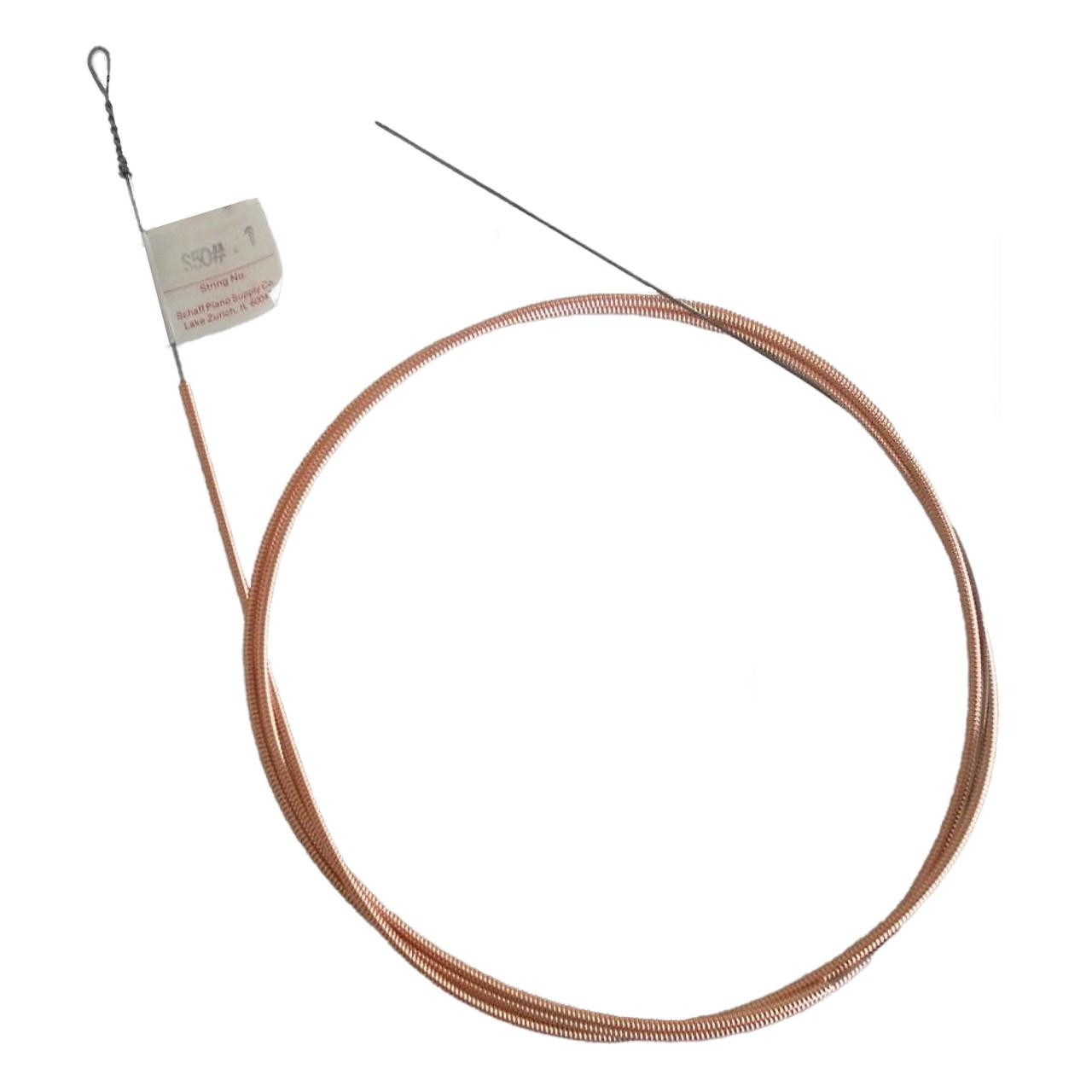
- Replace rusted or broken strings promptly. Rust causes rough vibration and buzzing.
- Check soundboard and corners
- Small cracks or loose braces can rattle. Tighten loose wood parts or consult a technician for repairs.
Most home fixes stop the buzz. If the problem is under the action or inside the cabinet, proceed carefully or call a pro. How to fix buzzing sound in piano strings often ends here with tightened parts or new felt.

Tools, parts, and supplies you’ll need
Use the right tools. They make fixes safer and cleaner.
- Soft brushes and microfiber cloths for cleaning.
- Vacuum with brush attachment on low suction.
- Small felt and cloth shims for padding.
- Screwdrivers (Phillips and flat) and nut drivers in proper sizes.
- Tuning-pin wrench only if you know tuning; otherwise leave tuning to a tech.
- Replacement strings, bridge pins, and felt kits available from piano suppliers.
Avoid makeshift tools that can scratch the plate or bend strings. Quality parts last longer and reduce repeat buzzing.

When to call a professional piano technician
Call a tech when the issue is complex or risky to fix. Signs you need a pro:
- Buzz persists after basic fixes.
- You find cracks in the soundboard or loose braces.
- A string is broken near the hitch pin or coil.
- The action requires regulation or parts need replacement.
A trained technician has specialized tools and experience to repair internal parts without risking further damage. How to fix buzzing sound in piano strings sometimes requires a shop-level repair.

Preventing buzzing: routine care and environment tips
Prevention is cheaper than repair. Small habits stop most buzz.
- Keep humidity stable between 40–50% to avoid cracks and swollen parts.
- Dust and vacuum under the lid regularly.
- Have action felts inspected every few years.
- Avoid drumming or striking keys harshly.
- Schedule a professional tuning and inspection once or twice a year.
Consistent care keeps the piano quiet and prevents most causes of buzzing. How to fix buzzing sound in piano strings starts with good maintenance.

Troubleshooting examples from my shop: real fixes and lessons learned
Here are short case stories from my experience. They show how to apply these steps.
Case 1: Loose capstan screw
- Symptom: Buzz only when playing soft notes in the midrange.
- Fix: Tightened a loose capstan screw under the key and added a tiny felt shim. Buzz stopped.
Lesson: Small action screws can cause tonal buzz that mimics string issues.
Case 2: Bridge-pin chatter
- Symptom: Metallic buzz that changed pitch when the pianist shifted seating.
- Fix: Cleaned bridge pin holes and fitted a small felt washer under the pin. Replaced worn bridge pin.
Lesson: Bridge-pin wear is common in older pianos and easy to miss.
Case 3: Debris on strings
- Symptom: Intermittent buzz during fast runs.
- Fix: Removed crusted dust and a tiny paper scrap lodged near the agraffe.
Lesson: Even small bits of debris can vibrate and make noise.
These examples show how to fix buzzing sound in piano strings with focused inspection and modest repairs.
Common quick questions (PAA-style)
Why does a piano suddenly start buzzing?
A sudden buzz often follows humidity change, a dropped item inside the piano, or a loose screw. Quick checks can reveal obvious causes like debris or a shifted part.
Can tightening a tuning pin fix buzzing?
Only if the tuning pin is noticeably loose and the buzz stems from a wobbling string. Tightening should be done cautiously by someone experienced.
Will changing strings remove all buzzing?
Replacing badly worn or rusted strings removes some buzzing, but buzz can also come from hardware, felts, or the soundboard. Check all parts.

Frequently Asked Questions of how to fix buzzing sound in piano strings
How do I know if the buzz is from the string or the action?
Pluck the string directly. If the buzz appears when plucked, it’s likely a string or bridge issue. If it only happens when keys are struck, the action may be the cause.
Is it safe to tighten screws inside the piano myself?
You can tighten visible screws gently, but avoid adjusting tuning pins or complex action parts unless you have experience. Over-tightening can cause more damage.
How much does a technician charge to fix buzzing?
Tech fees vary by region and complexity. Simple adjustments may be low cost, while soundboard or bridge repairs are more expensive. Get an estimate before work begins.
Can humidity control stop buzzing permanently?
Humidity control reduces many causes of buzzing by stabilizing wood and felt. It does not fix physical damage already present; repairs may still be needed.
How long will a DIY fix last?
Simple fixes like cleaning or adding felt shims can last years if the piano is cared for. Worn parts replaced with quality materials tend to last longer.
Conclusion
You can solve most buzzing problems by diagnosing carefully, using the right tools, and following step-by-step fixes. Start with quick checks, clean and tighten parts, replace worn felts, and call a technician for deeper repairs. Take action now: inspect your piano, try the simple tests above, and schedule professional help if the buzz persists. Share your experience or questions below, and consider subscribing for more practical piano care tips.

Senior Music Reviewer
Alex Carter is a seasoned music reviewer with over a decade of experience in the world of sound and instruments. Passionate about helping musicians and enthusiasts make informed choices, he brings sharp insights and in-depth knowledge to every review. From classical instruments to modern gear, Alex combines technical expertise with a love for music to deliver content that resonates with readers.
As a Senior Music Reviewer and expert author on Tuneluma.com, Alex is dedicated to sharing honest evaluations, practical advice, and thoughtful commentary to guide readers in their musical journey.