How To Fix Crackling Sound From Electric Guitar Cable: Tips
Replace or clean connectors, tighten plugs, or swap for a quality shielded cable to stop crackling.
I’ve spent years fixing noisy rigs and teaching players how to fix crackling sound from electric guitar cable. I know the common causes. I’ll walk you through clear tests, cleaning steps, solder and plug repairs, and when to replace the cable or seek a tech. Read on for practical, step-by-step fixes you can do tonight.

Why the crackling happens and what it means
Crackling means a poor electrical contact or interference. It can come from a worn cable, dirty plug, loose jack, bad solder joint, or grounding issue. Learning how to fix crackling sound from electric guitar cable starts with knowing the main causes.
Common causes include:
- Dirty or oxidized plug contacts
- Broken or frayed internal wires
- Loose jack on guitar, amp, or pedals
- Bad solder joints at connectors
- Interference from nearby electronics or poor shielding
If you know the likely cause, you can pick the right fix fast. Many players fix this without buying a new cable. Knowing how to fix crackling sound from electric guitar cable saves time and money.

Tools and supplies you’ll need
Before you start, gather a few simple tools. They keep the job fast and safe. These items help you test and repair most cable problems.
Essential items:
- Multimeter for continuity and intermittent checks
- Contact cleaner (electronic-grade) for jacks and plugs
- Small flat screwdriver and needle-nose pliers
- Replacement right-angle or straight 1/4" plug
- Soldering iron, solder, and heat-shrink tubing for plug swaps
- Wire cutters and wire strippers
- Clean cloth or cotton swabs
With these on hand, you can diagnose and fix most crackling issues yourself. Knowing how to fix crackling sound from electric guitar cable starts with the right tools.
Quick diagnostic checklist: find the source
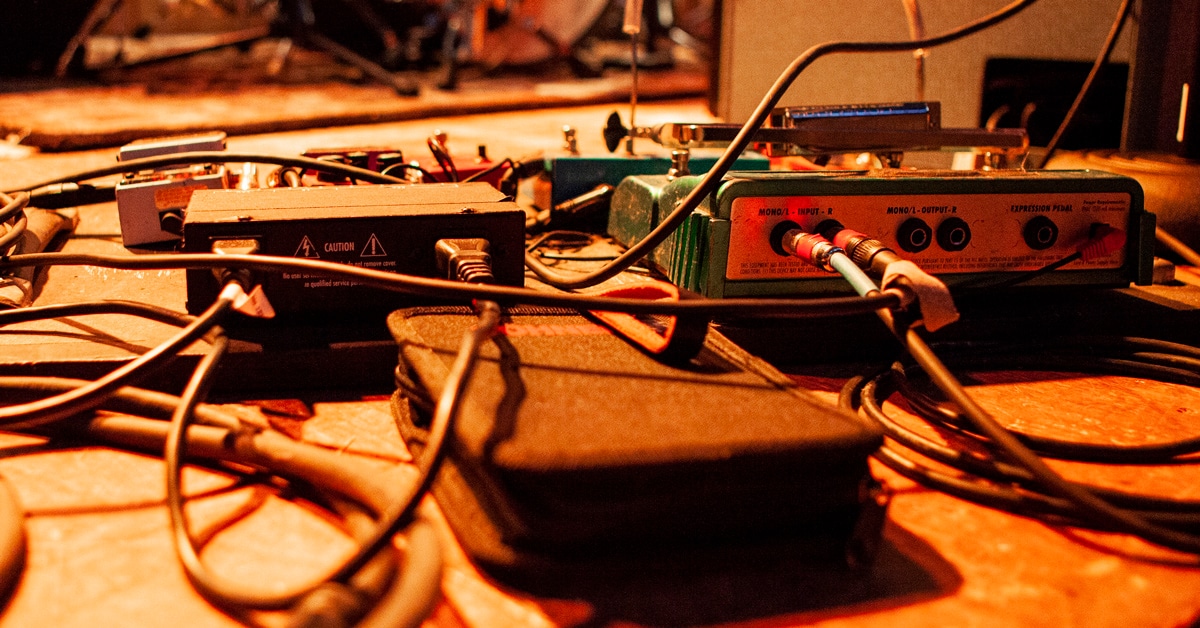
Follow this checklist to narrow the problem quickly. Each step takes less than a minute.
- Wiggle the cable while playing. If the sound changes, the cable or plug is likely at fault.
- Swap the cable with a known-good cable. If crackle stops, the original cable is the issue.
- Try a different guitar and amp. If crackle follows the amp, the amp jack or electronics may be at fault.
- Test with pedals bypassed. A dirty pedal input can cause noise.
- Use a multimeter to check continuity from tip to tip and sleeve to sleeve.
This method helps you decide whether to clean, repair, or replace. It’s a core part of learning how to fix crackling sound from electric guitar cable.
Cleaning contacts and jacks: safe first steps
Cleaning is often the simplest fix. Dirt and oxidation block contact. Clean before you solder or replace parts.
Steps to clean:
- Unplug everything and power down gear. Safety first.
- Spray contact cleaner into the guitar jack and amp jack. Work the plug in and out to move cleaner.
- Clean the cable plug tip and sleeve with a cloth or cotton swab dipped in cleaner.
- For pedals, spray into input and output jacks and stomp the footswitch a few times.
- Let parts dry fully before plugging in.
If cleaning removes the crackle, you’re done. If not, move to checking connectors and solder joints to learn how to fix crackling sound from electric guitar cable more deeply.

Repairing or replacing a damaged plug
If the plug is loose, bent, or has internal wire breaks, repair or replace it. A new plug often fixes intermittent crackling.
How to replace a soldered 1/4" plug:
- Cut the cable near the old plug. Strip back outer jacket and shielding.
- Separate shielding (ground) from the center conductor (signal). Twist shield into a single braid.
- Tin the tip wire and shield with solder. Prepare plug terminals.
- Solder tip (signal) to the tip lug and shield (ground) to the sleeve lug.
- Slide the plug shell and any strain relief into place. Tighten and shrink heat-shrink tubing.
For clamp-style plugs, insert wires into the clamp and tighten screws. After replacement, test the cable while moving the plug. If crackling stops, you solved it. Practice makes clean solder joints easier and more reliable.

Checking guitar and amp jacks and solder joints
Sometimes the cable is fine and the guitar or amp jack has the issue. Loose jacks or cold solder joints cause intermittent contact.
Steps to inspect and fix:
- Remove the control cavity cover on the guitar. Look for loose wires or cracked solder.
- Wiggle the jack while a friend plays. If crackle happens, the jack or wiring is suspect.
- Resolder loose joints with a hot iron and fresh solder. Clean flux residue afterward.
- In amps, check the input jack and ground connections. Use the multimeter to confirm solid continuity.
If you don’t solder, a local tech can fix it quickly. Knowing how to fix crackling sound from electric guitar cable includes checking the gear the cable plugs into.

Other causes: interference and grounding
Not all crackles come from physical breaks. Noise can be RFI or grounding related. These issues need different fixes.
Common scenarios:
- Radio or phone interference near cables or amps. Move devices away.
- Poor shielding in cheap cables. Upgrade to a well-shielded cable.
- Ground loops between gear racks. Use a ground lift or isolate power.
- Faulty power supply or DC pedal supply introducing noise. Try batteries to test.
Testing for interference is simple. Unplug other electronics and move equipment. If crackling changes, interference may be the cause. That’s part of fully understanding how to fix crackling sound from electric guitar cable.
Preventive maintenance and best practices
Prevention keeps your sound clean. Regular care helps you avoid late-night failures on stage.
Best practices:
- Coil cables with proper loops to avoid stress.
- Replace plugs that show wear. A new plug is cheaper than a ruined set.
- Keep jacks and plugs clean. Wipe them after gigs.
- Use quality, well-shielded cables for noisy environments.
- Avoid running cables near power transformers or fluorescent lights.
Small habits save time and money. I fixed dozens of stage issues by following these rules.

Personal experience: lessons from the road
I once played a show where my lead guitar kept crackling. I swapped cables and still heard noise. The amp input was loose. A quick resolder in the dressing room fixed the problem. After that, I always carry a spare plug and a mini solder kit.
Lessons learned:
- Always bring a spare cable and spare plugs.
- Test each new cable before a show.
- Trust the wiggle test to find intermittent issues quickly.
These real-world fixes show how practical steps help you learn how to fix crackling sound from electric guitar cable.
When to seek a professional
Not all problems are DIY. Call a tech if:
- You find complex amplifier faults.
- Internal wiring looks burnt or damaged.
- You don’t feel safe with soldering or electronics.
A pro can diagnose grounding issues and amplifier board problems. Don’t let fear stop you from getting expert help when needed.
Frequently Asked Questions of how to fix crackling sound from electric guitar cable
Why does my guitar crackle when I move the cable?
Movement often points to a broken wire or worn plug contact. Wiggle the cable to see if the noise follows the motion. If it does, inspect or replace the plug.
Will contact cleaner damage my guitar or amp?
Electronic-grade contact cleaner is safe when used sparingly and allowed to dry. Avoid over-spraying and keep power off when cleaning.
Can I fix a cable without soldering?
Yes, clamp-style plugs let you repair cables without solder. They can be less reliable but work well for quick fixes.
Is a pricey cable worth it to stop crackling?
A well-made, shielded cable reduces noise and lasts longer. Quality pays off for regular players and stage use.
How do I test a cable with a multimeter?
Set the meter to continuity. Check tip-to-tip and sleeve-to-sleeve. No continuous beep or intermittent contact shows a break.
My amp crackles even with new cables. What next?
Check the amp input jack and internal wiring. If no visible issue, get a tech to inspect the amp board and grounding.
Conclusion
Fixing a crackling electric guitar cable is often quick. Start with simple tests, clean contacts, and replace worn plugs. If needed, solder a new plug or ask a pro to inspect jacks and amp internals. Take action tonight: clean your gear, test cables, and pack spares for peace of mind. If this helped, try one repair and leave a comment about your result or subscribe for more gear tips.

Senior Music Reviewer
Alex Carter is a seasoned music reviewer with over a decade of experience in the world of sound and instruments. Passionate about helping musicians and enthusiasts make informed choices, he brings sharp insights and in-depth knowledge to every review. From classical instruments to modern gear, Alex combines technical expertise with a love for music to deliver content that resonates with readers.
As a Senior Music Reviewer and expert author on Tuneluma.com, Alex is dedicated to sharing honest evaluations, practical advice, and thoughtful commentary to guide readers in their musical journey.