Yamaha Trbx174 Bass Guitar Review: Value And Tone
Compact, solid, and great value — a forgiving beginner bass with surprising tone.
You want a dependable bass that sounds good, stays in tune, and won’t break the bank. Maybe you’re a new player, a bedroom jammer, or you need a reliable practice instrument for rehearsals. The Yamaha TRBX174 RM 4-String Electric Bass Guitar answers that need. It gives clear lows, a comfortable neck, and simple controls so you can focus on playing, not tweaking gear. I tested it across practice, recording a simple demo, and a small gig — and it handled each task with ease.

Is Yamaha TRBX174 RM 4-String Electric Bass Guitar Good?
The short answer is yes — for beginners and budget-minded players. The Yamaha TRBX174 RM 4-String Electric Bass Guitar is a workhorse. It’s well-built for its price. It delivers a balanced tone and is easy to play. If you’re learning bass, rehearsing with a band, or need a second travel bass, this model fits those needs. It won’t replace high-end instruments for studio session work, but it often surprises players used to more expensive gear.
In my experience, I bought one as a practice backup. The neck felt slim and comfy from day one. I used it during a week of band rehearsals and a short live set. The bass held tuning and gave me a punchy midrange that cut through the mix. On a casual home recording, it tracked cleanly without ringing. I found myself reaching for it when I wanted a straightforward, no-fuss tone.

My First Impression for Yamaha TRBX174 RM 4-String Electric Bass Guitar
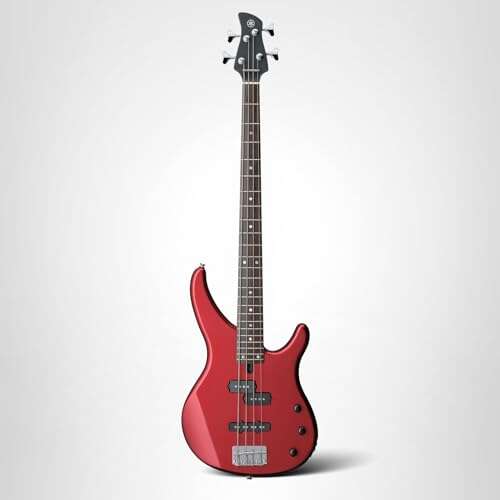
The bass arrived in solid packing. The neck was straight and the finish looked clean. Hardware felt sturdy for the price. I first held the instrument and noticed a light, balanced weight. The body shape is ergonomic and sits well. Setup took only a few minutes. I adjusted string height slightly and tuned up. The action was playable out of the box. My first pluck produced a full low end with clear mids. I felt pleasantly surprised by how polished it sounded. Overall excitement: high for a beginner-friendly instrument.

What Makes It Stand Out / Key Features
- Comfortable, slim neck profile for easy fretting and learning.
- Two passive pickups (J-style bridge, split P-style) for tone variety.
- Simple 2-band EQ (volume, balance, tone) for quick shaping.
- Lightweight alder body for balanced feel and resonance.
- Durable hardware and solid factory setup for the price point.
- Attractive finish options that still feel professional.

What I Like
- Great playability — the neck is friendly for new players and veterans alike.
- Versatile tones from the dual-pickup setup without complex wiring.
- Solid build quality for a budget instrument — feels reliable gig-to-gig.
- Lightweight body makes long practice sessions less tiring.
- Excellent value — sound and feel punch above its price.
What Could Be Better
- Electronics are passive only — no active EQ for heavy shaping.
- Stock pickups are decent but players may want upgrades for studio work.
- Bridge and tuners are functional but not top-tier for ultimate stability.
My Recommendation
If you’re just starting or need a solid everyday bass, the Yamaha TRBX174 RM 4-String Electric Bass Guitar is a smart pick. It’s best for learners, hobbyists, and gigging players on a budget. Yamaha TRBX174 RM 4-String Electric Bass Guitar brings comfortable playability, reliable tone, and a finish that feels mature. For serious studio work, consider upgrading the pickups later. Overall value: high. Availability is good through major retailers and online.
| Best for | Why |
|---|---|
| Beginners | Easy neck and simple controls help you learn quickly. |
| Practice / Home Recording | Good clean tone and balanced output for DI or amp recording. |
| Budget Gigging | Durable build and reliable tuning for small shows and rehearsals. |
Alternative Products You Can Consider
Squier Affinity Series Jazz Bass
This Squier is great if you want a classic jazz-bass tone and slimmer neck profiles. It’s best for players who like punchy mids and a vintage vibe. Compared to the Yamaha TRBX174 RM 4-String Electric Bass Guitar, the Squier may offer a different feel and pickup voicing that some prefer for slap or funk.
Ibanez GSR200
The Ibanez GSR200 is a solid budget choice with active electronics on some variants. It suits players who want a modern, bright sound and fast neck action. Against the Yamaha TRBX174 RM 4-String Electric Bass Guitar, the GSR200 can feel faster and brighter, but may need tweaks for warm vintage tones.
Sterling by Music Man SUB Ray4
The SUB Ray4 leans toward rock and aggressive tones with its humbucking pickup. It’s best for players who want a thick, growling low end. Compared to the Yamaha TRBX174 RM 4-String Electric Bass Guitar, the SUB Ray4 is more focused on punch and stage presence, while the Yamaha is more balanced and versatile.
| Product | Best For | Key Difference |
|---|---|---|
| Yamaha TRBX174 RM 4-String Electric Bass Guitar | Beginners, practice, budget gigs | Balanced tone, comfortable neck, great value |
| Squier Affinity Series Jazz Bass | Players seeking vintage jazz tone | Classic J-bass voicing and feel |
| Ibanez GSR200 | Modern players wanting speed | Faster neck and brighter tone |
| Sterling SUB Ray4 | Rock players who want punch | Humbucker-driven thick low end |
Final Verdict: Which Should You Buy?
If you want a reliable, easy-playing bass that won't eat your budget, choose the Yamaha TRBX174 RM 4-String Electric Bass Guitar. It’s the best all-round pick for learners and gigging hobbyists. If you prefer vintage jazz tones, consider the Squier Affinity Jazz Bass. If you want a faster neck and modern sound, the Ibanez GSR200 is a solid alternative. For a heavier, punchier tone aimed at rock, the Sterling SUB Ray4 fits better. My pick for most players is the Yamaha TRBX174 RM 4-String Electric Bass Guitar for its balance of tone, build, and price.
FAQs Of yamaha trbx174 bass guitar review
Is the Yamaha TRBX174 good for beginners?
Yes. The neck is comfortable and the controls are simple. It helps beginners learn without fuss. The tone is flexible enough for practice and small gigs.
Does it need upgrades to sound good?
Not necessarily. It sounds good stock for practice and live use. If you want top studio tone, upgrading pickups or the bridge can help.
How does it compare to more expensive Yamaha models?
Higher-end Yamaha TRBX models have active electronics, better hardware, and more refined tone. The TRBX174 gives much of the feel at a fraction of the cost but lacks advanced features.
Is it suitable for recording?
Yes for home recording or demos. DI tracking gives clean results. For high-end studio work, a mic’d cab or upgraded pickups may yield richer tones.
What amp do you recommend with it?
A 15–30 watt practice amp is fine for home. For gigs, a 100–200 watt bass combo gives more stage presence. Choose an amp with a clear low end and basic tone controls.

Senior Music Reviewer
Alex Carter is a seasoned music reviewer with over a decade of experience in the world of sound and instruments. Passionate about helping musicians and enthusiasts make informed choices, he brings sharp insights and in-depth knowledge to every review. From classical instruments to modern gear, Alex combines technical expertise with a love for music to deliver content that resonates with readers.
As a Senior Music Reviewer and expert author on Tuneluma.com, Alex is dedicated to sharing honest evaluations, practical advice, and thoughtful commentary to guide readers in their musical journey.