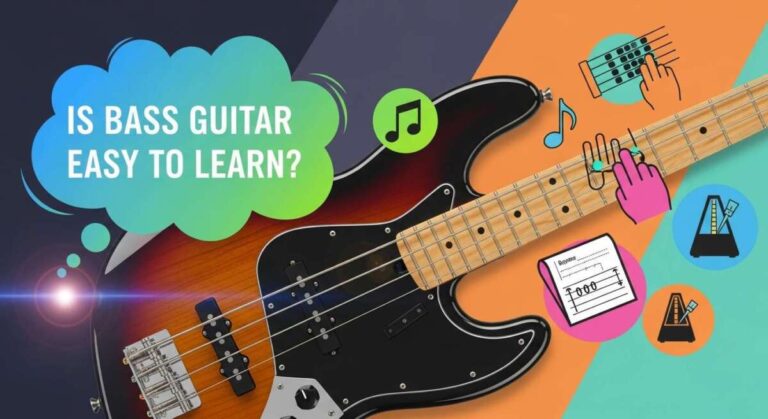
Is It Easy To Learn Bass Guitar: Quick Tips For Beginners
Yes — for many players it's easy to start; real mastery takes steady practice and musical focus.
I've taught and played bass for years, and I know the question is common: is it easy to learn bass guitar? I’ll walk you through clear answers, real-world tips, and a step-by-step plan that shows where the easy parts end and the challenges begin. Expect practical examples, simple routines, and honest lessons from my own playing and teaching experience.
Why many people think is it easy to learn bass guitar
Bass has a friendly learning curve for absolute beginners. The instrument often plays single notes that lock with drums and harmony. That makes the early wins come fast. New players can learn simple grooves in days. Those quick wins create the impression that is it easy to learn bass guitar.
- Clear role in a band makes learning feel useful fast.
- Fewer notes per beat than guitar or piano helps beginner focus.
- Strong ear training rewards can come early.

What actually makes is it easy to learn bass guitar — and what doesn’t
The short answer: learning basics is easy, building musicality is not. You can learn finger placement, basic timing, and a few songs very quickly. But developing groove, tone control, and musical taste takes time. Real skill needs practice, listening, and playing with others.
Common ease factors:
- Simple note patterns and slow tempos for beginners.
- Visible fretboard and long notes that allow correction.
- Immediate musical usefulness in jam sessions.
Common hard factors:
- Locking with rhythm requires internal timing.
- Finger endurance and right-hand consistency need repetition.
- Musical choices (fills, phrasing) require listening and taste.

How to get started: a simple step-by-step plan
Follow this plan to move from zero to a reliable player.
- Choose a beginner bass and set it up
- Start with a 4-string bass with low action.
- Get a small practice amp or use headphones.
- Learn open strings and frets
- Memorize string names and learn first five frets.
- Practice simple one-note rhythms.
- Master the basic groove
- Learn root-note patterns of common chords.
- Play along with a metronome and simple drum loops.
- Build a small song list
- Learn 5 songs of different styles.
- Play along to the originals to hear groove and tone.
- Add technique and theory stepwise
- Learn fretting-hand muting, finger alternation, and basic scales.
- Study the major scale and the pentatonic minor.
- Play with others and record yourself
- Join jams, bands, or online groups.
- Record short loops and listen back.
Practice routines and milestones that work
Consistency beats marathon sessions. Short focused practice is powerful.
Weekly routine example:
- 10 minutes warm-up and finger health.
- 15 minutes time and groove with metronome.
- 15 minutes learning or polishing a song.
- 10 minutes scales or fills.
- 10 minutes listening and evaluation.
Milestones to track:
- Play a 4-bar groove cleanly at tempo.
- Learn and memorize a full song bassline.
- Lock with a drummer for a three-minute song.
- Record and listen to your bass in a track.

Gear, setup, and basic technique for faster progress
Good setup helps beginners feel success sooner. Poor action or bad strings make learning harder.
Gear tips:
- Pick a comfortable neck and low action.
- Use flatwound or light roundwound strings for comfort.
- Start with a small practice amp or headphone amp.
Technique basics:
- Use alternate right-hand fingers (index and middle).
- Keep thumb anchored or floating as fits your style.
- Use fretting-hand muting to stop unwanted noise.
Tone basics:
- Roll off tone knob for a round sound.
- Place fingers nearer the neck for a warmer tone.
- Pluck nearer the bridge for attack when needed.

Personal tips, common mistakes, and real experiences
I started on bass as a teenager and learned many lessons the hard way. My early practice was too slow and unfocused. When I switched to short daily sessions and played with others, progress exploded. Here are practical tips from that journey.
Lessons learned:
- Play with a metronome daily. Timing matters more than speed.
- Learn a few songs fully. Partial learning stalls improvement.
- Record yourself. Many players think they sound better than they do.
Common mistakes:
- Skipping groove practice and learning only notes.
- Relying on tabs without listening to phrasing.
- Neglecting tone and dynamics in favor of speed.
Quick tips:
- Play along with drum loops to build pocket.
- Practice scales but apply them to songs.
- Take short lessons or feedback sessions to stay on track.

PAA-style questions about is it easy to learn bass guitar
Q: How long to learn basic bass lines?
A: Most people can play simple bass lines in a few days to weeks with daily 15–30 minute practice.
Q: Do I need music theory to start?
A: No. You can start by ear and learn theory gradually to improve choices and improvisation.
Q: Is bass easier than guitar?
A: Bass can be easier to start, but both instruments have unique challenges that show up as you advance.

Frequently Asked Questions of is it easy to learn bass guitar
How long does it take to be a decent bass player?
A steady practice routine of 20–30 minutes a day can make you a reliable player in six months. Mastery of groove and feel will take years of playing with others.
Can I learn bass on my own without lessons?
Yes. Many players learn on their own with online resources, but occasional feedback from a teacher speeds progress and corrects bad habits.
Is it harder to switch from guitar to bass?
Switching is usually smooth for guitarists because fretting skills transfer. The main change is thinking in rhythm and less chordal playing.
Do I need expensive gear to start?
No. A budget bass and a small amp or headphone amp are fine to start. Good setup and new strings help sound and comfort more than price.
Will I need to learn music theory to be good?
You do not need deep theory at first. Learning scales, intervals, and simple harmony will help you make better bassline choices over time.
Conclusion
Learning bass is approachable at the start and deeply rewarding as you go deeper. Basics are easy to pick up, and real musical growth comes from focused practice, listening, and playing with others. Start simple, practice short and often, and play songs you love to stay motivated. Try a 15-day routine from the plan above and see how much you improve; leave a comment about your progress or subscribe for more lessons.

Senior Music Reviewer
Alex Carter is a seasoned music reviewer with over a decade of experience in the world of sound and instruments. Passionate about helping musicians and enthusiasts make informed choices, he brings sharp insights and in-depth knowledge to every review. From classical instruments to modern gear, Alex combines technical expertise with a love for music to deliver content that resonates with readers.
As a Senior Music Reviewer and expert author on Tuneluma.com, Alex is dedicated to sharing honest evaluations, practical advice, and thoughtful commentary to guide readers in their musical journey.