Is A 3 4 Guitar Too Small: Choosing The Right Size
No — a 3 4 guitar is not too small for many players; it’s a practical, playable size for kids and many adults.
I’ve tested, taught, and set up dozens of small guitars, so I know the real strengths and limits of a 3 4 guitar. In this guide I’ll explain what a 3 4 guitar is, who it’s best for, common trade-offs, and how to decide if a 3 4 guitar is too small for your needs. You’ll get clear, practical advice from experience and easy steps to get the best sound and playability from a 3 4 guitar.

What exactly is a 3 4 guitar?
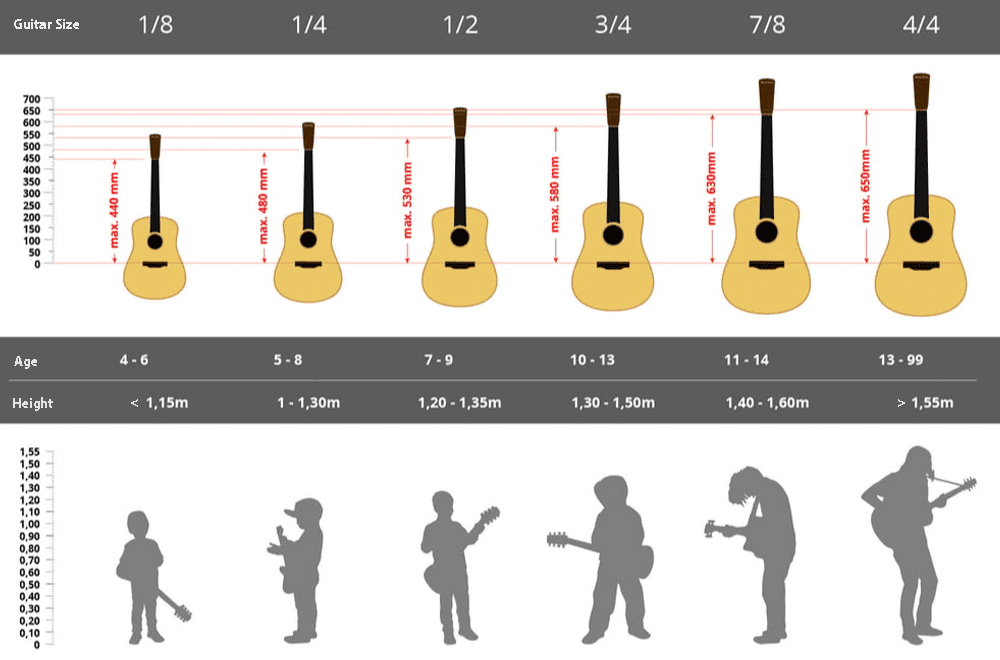
A 3 4 guitar is a scaled-down acoustic or classical instrument. It has a shorter scale length and a smaller body than a full-size guitar. The term 3 4 refers to roughly three-quarters of the size of a standard instrument. That smaller size changes play feel, tone, and projection.
Key specs
- Scale length: usually 22 to 23 inches.
- Body size: narrower waist and shorter bout.
- Ideal for smaller hands and younger players.
Why the size matters
- Shorter frets reduce finger stretch.
- Lower string tension makes fretting easier.
- Smaller body reduces volume and bass response.
This definition helps answer whether is a 3 4 guitar too small by showing what changes with size. If comfort and reach matter more than loudness, a 3 4 guitar can be ideal.
Who should consider a 3 4 guitar?
A 3 4 guitar suits several groups of players. It’s not only for kids. Consider a 3 4 if you fit any of these points.
Good candidates
- Children aged 6 to 12 who need smaller reach.
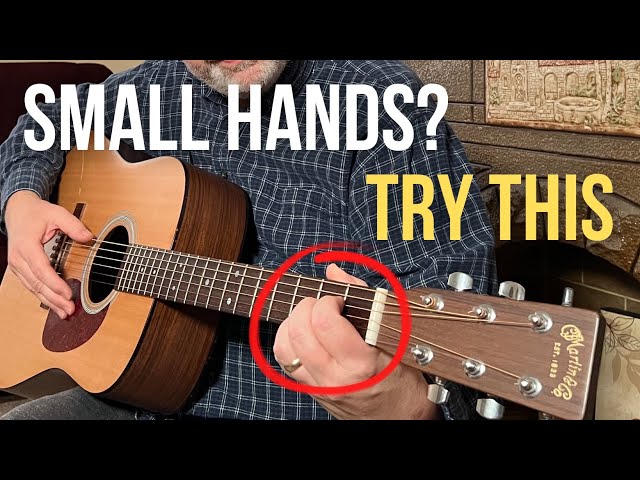
- Teenagers or adults with small hands.
- Travelers who want a compact, lightweight guitar.
- Beginners who want a forgiving fretboard.
When it’s not ideal
- Players who need strong bass and loud projection.
- Advanced fingerstyle players seeking deep resonance.
- People who prefer fuller body tone for recording.
If you ask, is a 3 4 guitar too small for your playing, compare reach and tone needs. Most beginners and many casual players will find it comfortable and motivating to play.
Is a 3 4 guitar too small for adults?
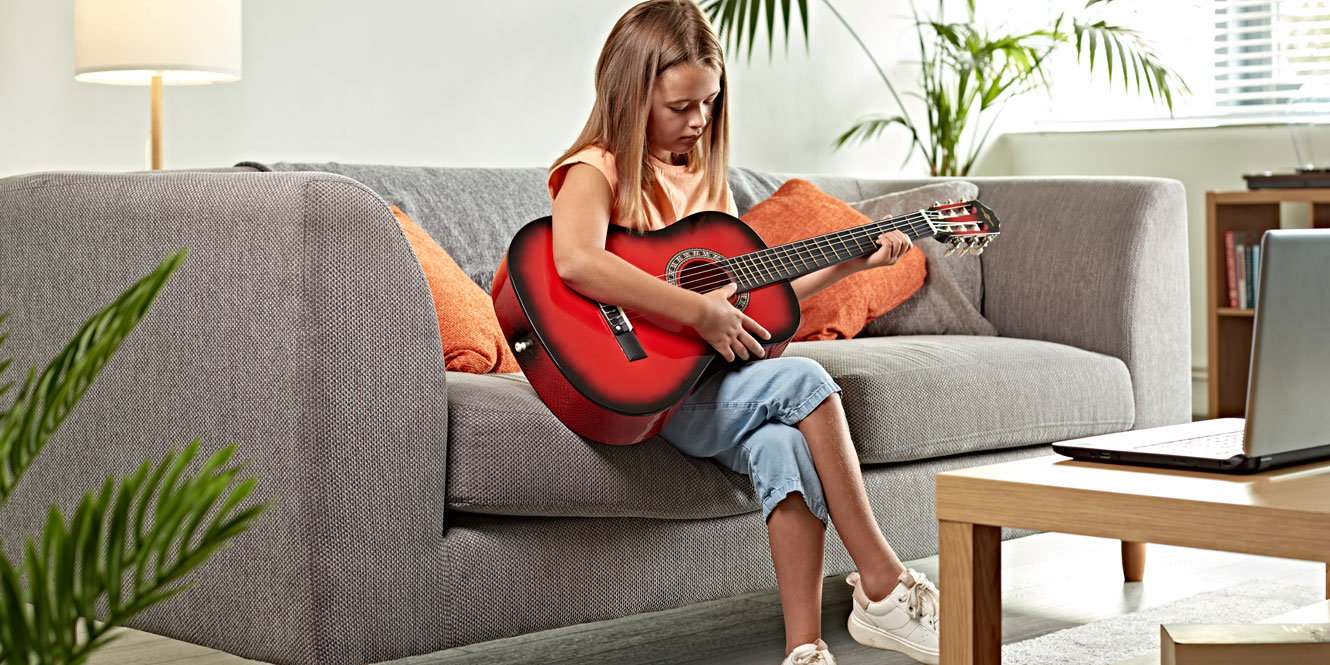
Short answer: usually no, but context matters. Many adults find 3 4 guitars comfortable. They are lighter and easier to manage. The trade-off is a thinner tone and less volume. If you play casually, travel, or record close-mic’d, a 3 4 guitar often suffices.
Considerations for adults
- Comfort and ergonomics often improve.
- Playability for chord shapes is easier with short scale.
- Tone and sustain are reduced compared to full-size guitars.
Practical check
- Try a 3 4 at a store for 10–15 minutes. Play chords, scales, and a song you know.
- Compare it with a full-size guitar to judge tone and feel.
As a teacher, I’ve seen adults switch to 3 4 guitars and practice more because the instrument felt less intimidating. That increased practice beat slightly better tone from a guitar left in its case.

Benefits of choosing a 3 4 guitar
A 3 4 guitar brings clear perks. These benefits often answer whether is a 3 4 guitar too small by showing value beyond size.
Benefits
- Comfort: Easier to hold for small frames.
- Easier reach: Fretting is less straining.
- Lower action potential: Useful for beginners who press hard.
- Portability: Fits small cases and backpacks.
- Cost: Often less expensive than full-size counterparts.
Real-world advantage
- For a child starting lessons, a 3 4 guitar reduces frustration. They learn faster when the instrument fits. I’ve seen beginners progress faster because they could form chords and move up the neck without pain.

Source: brentrobitaille.com
Limitations and trade-offs
Smaller size means compromises. Knowing these helps decide if is a 3 4 guitar too small for your goals.
Limitations
- Reduced bass and body resonance.
- Less projection for live performance without amplification.
- Slightly different intonation and sustain.
- Limited tonal richness for advanced players.
Workarounds
- Use light gauge strings to improve tone and playability.
- Record with a mic close to the soundhole to capture warmth.
- Consider a 3 4 for practice and a full-size for stage work.
Be realistic about needs. If you aim for studio work or big gigs, a full-size or parlor guitar might suit better. If comfort and practice time matter most, a 3 4 is a strong choice.

How to tell if a 3 4 guitar is too small for you
Use a simple test to decide. Don’t rely on one glance. Try these steps.
Try-before-you-buy checklist
- Sit and hold the guitar. Can you reach the frets comfortably?
- Form common chords. Do any feel cramped or strained?
- Play chords at the 12th fret. Does the tone feel thin?
- Walk around while holding it. Does it feel balanced?
Measure reach
- Measure from your wrist crease to the tip of your middle finger. Compare to typical scale lengths.
- If your reach is less than average, a 3 4 may be a great fit.
If a 3 4 guitar feels cramped after 10–15 minutes, it might be too small. But if it feels comfortable and you play well, it’s the right size.

Setup and string choices to improve a 3 4 guitar
A good setup makes a 3 4 guitar sing. Small adjustments reduce the sense that a 3 4 guitar is too small.
Setup tips
- Adjust action: Lower action helps ease fretting.
- Choose light gauge strings: Easier to press and bend.
- Check nut and saddle: Proper heights improve intonation and tone.
- Consider a professional setup: Small guitars often need fine tuning.
String and tuning options
- Use phosphor bronze lights for warmth.
- Consider half-step down tuning to reduce tension if you want a softer feel.
I’ve set up many 3 4 guitars for students and the right string/action combo turned a thin tone into a pleasing sound. Small changes make a big difference.
Comparison: 3 4 vs parlor vs full-size guitars
Put sizes side by side to see trade-offs. This helps answer whether is a 3 4 guitar too small relative to alternatives.
Comparison points
- Comfort: 3 4 wins for small players.
- Tone: Full-size wins for bass and projection.
- Portability: 3 4 and parlor are best.
- Price range: 3 4 often cheaper entry models available.
Use case guide
- Best for travel and kids: 3 4.
- Best for recording rich tone: Full-size.
- Best for vintage tone with a compact body: Parlor.
Decide by use. If you need loud stage sound, a full-size may be better. For lessons and travel, a 3 4 often wins.
Personal experience, mistakes to avoid, and tips
I’ve taught beginners and adjusted guitars in classrooms and at home. These lessons matter when choosing whether is a 3 4 guitar too small.
What I learned
- Comfort beats theory: A comfortable student practices more.
- Don’t assume small equals cheap: Good 3 4 guitars exist.
- Setup matters: A bad setup makes any guitar feel worse.
Common mistakes
- Buying online without trying. Fit matters.
- Using heavy strings on a 3 4, which makes it hard to play.
- Neglecting action and intonation adjustments.
Practical tips
- Try multiple models in store for at least 10 minutes each.
- Ask the seller for a setup or budget for one.
- Consider a 3 4 for practice and a full-size for gigs if budget allows.
These practical points show that is a 3 4 guitar too small depends on fit and setup, not just scale.
Buying and maintenance tips for 3 4 guitars
Buying the right 3 4 guitar reduces regret. Keep it maintained to keep it sounding good.
Buying checklist
- Play test for reach and comfort.
- Inspect neck profile and fret edges.
- Ask about warranty and return policy.
- Consider reputable brands or luthier-made instruments.
Maintenance basics
- Change strings every few months if you play often.
- Keep humidity stable to avoid warping.
- Get a setup yearly for optimal playability.
A well-chosen 3 4 guitar lasts years and stays fun to play. It often becomes the practice friend that keeps you motivated.
Frequently Asked Questions of is a 3 4 guitar too small
What age is a 3 4 guitar best for?
A 3 4 guitar is best for children aged about 6 to 12, depending on height and arm length. Many teens and adults with small hands also prefer it.
Can an adult learn guitar on a 3 4 size?
Yes. Adults can learn effectively on a 3 4 guitar, especially if comfort and motivation are priorities. You may sacrifice some low-end tone, but learning progress is often faster.
Will a 3 4 guitar sound weak?
It can sound thinner and quieter than a full-size guitar, but a good setup and mic technique can produce pleasing tone for practice and recordings. For stage volume, you might need amplification.
Are 3 4 guitars harder to play chords on?
No. Chords are usually easier due to shorter stretches and lower tension. Some wide voicings may feel different, but most chord shapes are comfortable.
Should I buy a 3 4 guitar for travel?
Yes. A 3 4 guitar is a top travel choice because of its size and weight. It fits many overhead compartments and is easy to carry.
How do I tune a 3 4 guitar for best tone?
Use light gauge strings and tune to standard pitch. For a softer feel, tune down a half step. Regularly check intonation after string changes.
Conclusion
Choosing whether is a 3 4 guitar too small is a personal decision. Think about comfort, sound needs, and intended use. If you want an easy-to-play, portable instrument that encourages practice, a 3 4 guitar is often the right choice. If you need full-bodied tone for live or studio work, test a full-size as well.
Takeaway: try before you buy, get a good setup, and match the guitar to your goals. If you’re ready to decide, visit a local shop, play several models, and pick the one that makes you want to play more. Leave a comment with your experience or questions, or subscribe for more practical guitar advice.

Senior Music Reviewer
Alex Carter is a seasoned music reviewer with over a decade of experience in the world of sound and instruments. Passionate about helping musicians and enthusiasts make informed choices, he brings sharp insights and in-depth knowledge to every review. From classical instruments to modern gear, Alex combines technical expertise with a love for music to deliver content that resonates with readers.
As a Senior Music Reviewer and expert author on Tuneluma.com, Alex is dedicated to sharing honest evaluations, practical advice, and thoughtful commentary to guide readers in their musical journey.