How To Tell If A Guitar Is Left Handed: Quick Guide
Check the string order and body layout: left-handed guitars have reversed string order and mirror controls.
I’ve spent years repairing and buying guitars, and I can quickly help you learn how to tell if a guitar is left handed. This guide lays out clear, practical checks—visual cues, string orientation, hardware placement, and simple play tests—so you can identify a left-handed instrument with confidence, whether you’re buying, selling, or fixing a guitar.
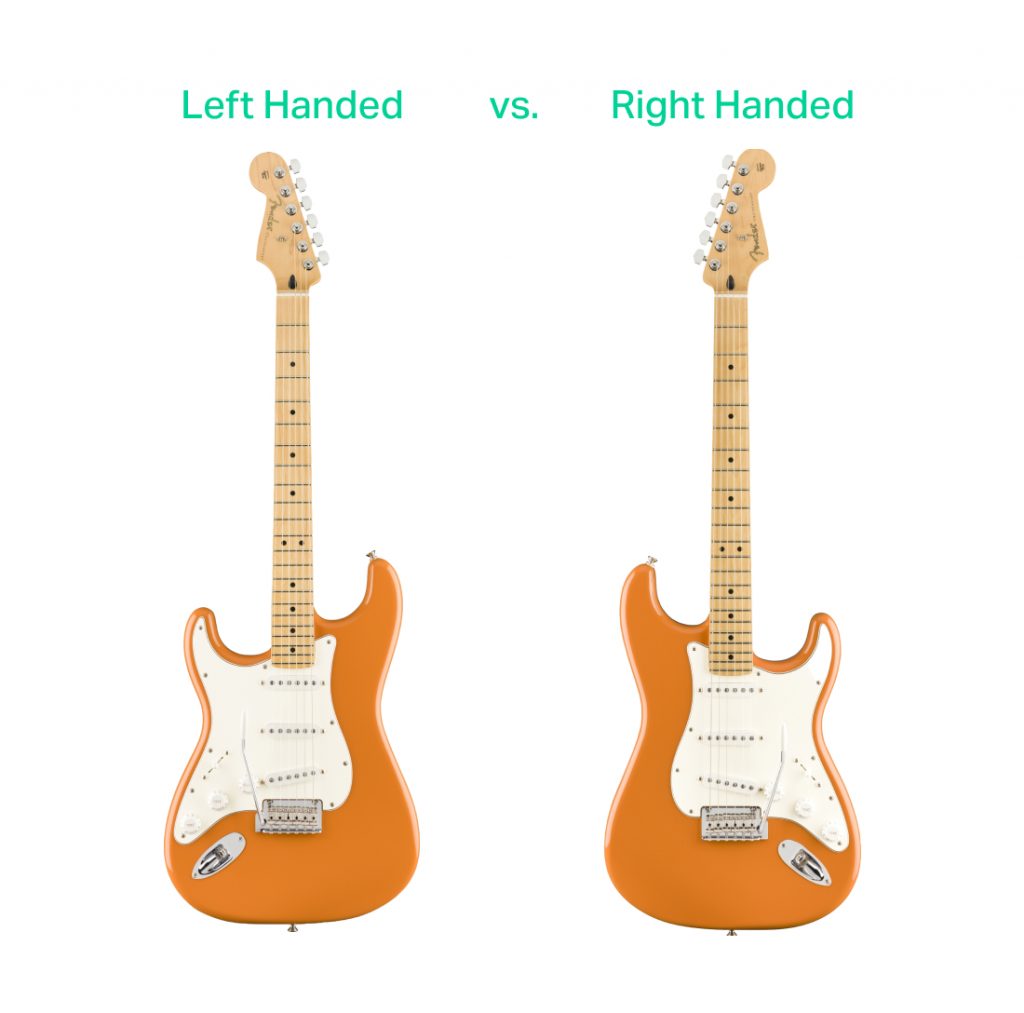
How to tell if a guitar is left handed: quick checklist
Start with a fast checklist to identify a left-handed guitar. These checks work for both acoustic and electric instruments and help you decide whether you need a left-handed model or a conversion.
- Look at the string order from the player’s perspective. Left-handed guitars have the low E string at the bottom when held for a left-handed player.
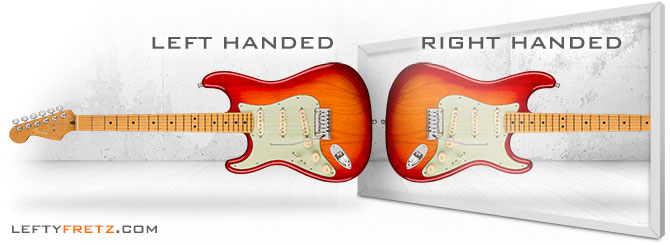
- Check the cutaway shape on the body. Many left-handed guitars have the cutaway on the opposite side compared to right-handed models.
- Inspect control knobs and pickup switches. They are usually mirrored on left-handed guitars to sit within the player’s picking hand reach.
- Look at the bridge and saddle compensation. On many left-handed guitars they are reversed to match string thickness.
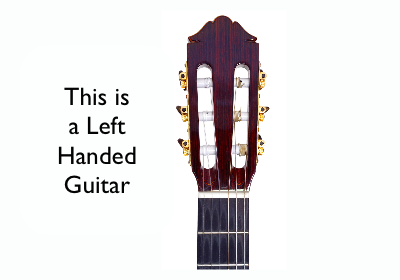
- Check the headstock and tuner layout. The tuners may be mirrored or arranged for left-hand use.
- Find manufacturer labels or model codes. Many companies mark left-handed versions with "L" or "LH."
how to tell if a guitar is left handed matters when buying used gear or planning a conversion. Use this checklist to spot the main signs quickly.

Anatomy clues: read the guitar at a glance
Knowing guitar anatomy helps you see left-handed cues fast. Here are the parts to inspect and what to look for.
Body shape and cutaway
Cutaways are shaped to give access to higher frets. On a left-handed guitar the cutaway is mirrored. If the cutaway favors the left-handed player’s fretting hand, you’re looking at a left-handed model.
Pickguard and control placement
Pickguards and controls are set for comfort. If the pickguard is mirrored and control knobs are on the opposite side compared to most guitars, that indicates a left-handed design.
Bridge, saddle, and intonation
Saddle compensation is tuned to string thickness. On left-handed guitars the thicker-string compensation sits opposite that on right-handed models. This affects intonation and tells you how to tell if a guitar is left handed at the setup level.
Headstock and tuners
Some headstocks are simply flipped versions of right-handed ones. Tuner arrangement and string trees often reveal the intended handedness.
how to tell if a guitar is left handed becomes obvious when you read these physical clues together. One item alone can mislead, but multiple signs confirm the orientation.
String orientation and setup: the clearest test
String order is the most direct way to tell if a guitar is left handed. Learn the simple checks that almost never lie.
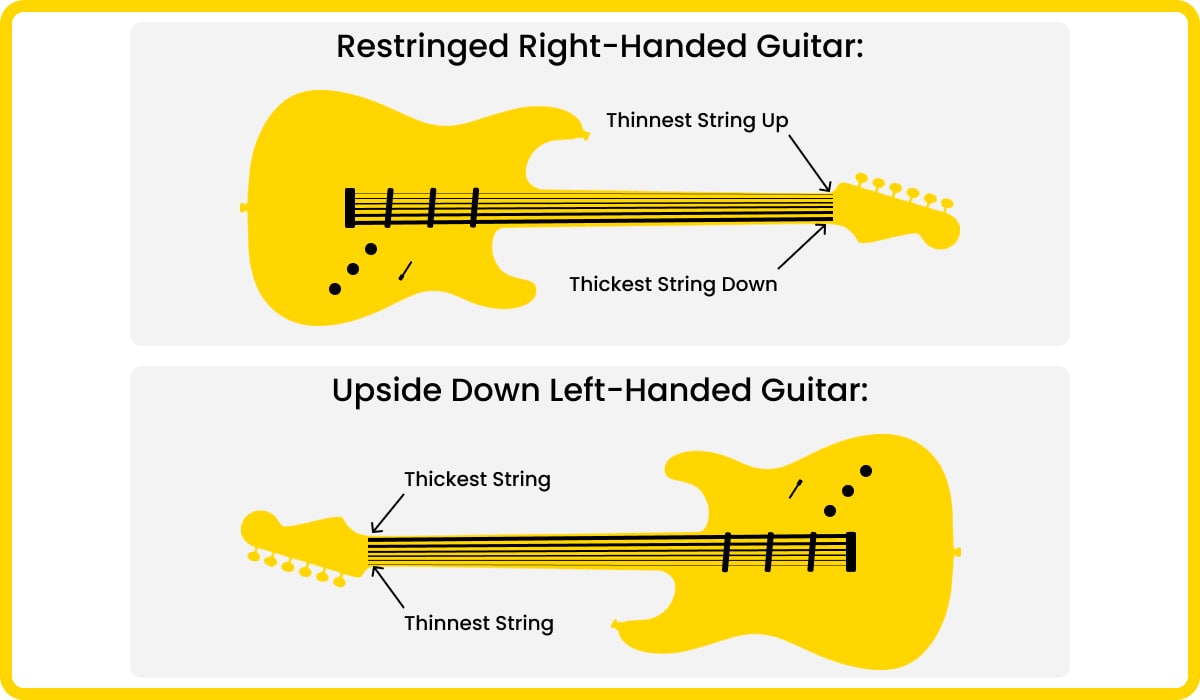
- View the strings while the guitar is held in playing position. For left-handed guitars, the low E string sits closest to the floor when played left-handed.
- Check how the strings wrap at the nut and tuners. Reversed wrap directions are a strong clue.
- Look at saddle compensation. If the saddle is compensated for reversed string thickness, the instrument is likely left-handed.
In my repair shop, the fastest test I use is to sight down the neck while the instrument is held as if being played by a lefty. If the string order and hardware match left-hand ergonomics, that answers how to tell if a guitar is left handed right away. Converting a guitar by merely restringing can work visually, but proper setup requires a new nut, compensated saddle, and sometimes reversed electronics.
Playability tests: simple checks to try
Hands-on tests show you how comfortable an instrument will be for a left-handed player. These checks are quick and revealing.
- Hold the guitar as a left-handed player would. Check if the pickguard and controls fall under your picking hand naturally.
- Strum and fret a few chords. Notice if the bridge and saddle intonation sound correct when fretted.
- Check neck relief and action as a lefty. Sometimes converted guitars feel awkward even with reversed strings.
PAA-style question: Can a right-handed guitar be played left-handed?
Yes. You can restring a right-handed guitar for left-handed playing, but the nut, saddle, and pickups may need modification for best tone and intonation.
PAA-style question: How can I quickly tell string order?
Look down the neck with the guitar held how a lefty plays: if the thickest string (low E) is closest to the floor, it’s set up for left-handed playing.
When I first learned lefty technique, I tried several right-to-left conversions. Some worked fine for casual practice; others needed professional setup. That experience taught me to always check hardware and intonation before assuming a conversion is sufficient.
Buying, modifying, and resale: what to know
Knowing how to tell if a guitar is left handed helps you make smart buying decisions. It also matters for resale and modifications.
- Buying new: If you are a left-handed player, buy a purpose-built left-handed model for best ergonomics and resale value.
- Converting a guitar: Expect to replace the nut, adjust the saddle, and possibly move pickups or controls. Electronics can be rewired, but cosmetic work may be needed.
- Resale considerations: Left-handed guitars often sell slower and at different prices. Converted guitars can be less valuable unless done professionally.
I once bought a vintage right-handed guitar converted to lefty. It played well after a tech replaced the nut and set the intonation. Still, I disclosed the conversion to buyers and priced it accordingly. Knowing how to tell if a guitar is left handed gave me the leverage to negotiate and avoid surprises.

Common mistakes and mythbusting
Some ideas about left-handed guitars are misleading. Here’s what to avoid and what to trust.
- Myth: Swapping strings is enough to make a guitar left-handed. Reality: Nut, saddle, and electronics often need attention.
- Myth: All left-handed guitars are identical flips of right-handed models. Reality: Some models have unique routing and design differences.
- Mistake: Ignoring control placement. Even if strings are reversed, controls may be awkward for left-handed picking.
- Tip: Always test playability. Visual checks help, but playing the instrument confirms comfort and tone.
Understanding these points helps you accurately judge how to tell if a guitar is left handed and whether conversion or purchase is the right choice.

Frequently Asked Questions of how to tell if a guitar is left handed
How quickly can I tell if a guitar is left handed?
Hold the guitar as a left-handed player and check string order, cutaway side, and control placement. These visual and feel checks usually reveal the guitar’s orientation within seconds.
Can I just restring a right-handed guitar to play left-handed?
You can, but you may need a new nut, saddle, and setup to get correct intonation and playability. Electronics and pickguard placement may still be awkward.
Do manufacturers mark left-handed guitars?
Many do. Look for model codes, an "L" or "LH" in labels, or model names that specify left-handed versions. Still, always verify visually.
Will left-handed guitars have reversed internal wiring?
Some do, but not all. Pickup orientation and control routing may be mirrored; checking electronics is part of confirming handedness.
Is converting a guitar cheaper than buying left-handed?
It can be cheaper for basic play, but professional conversion costs add up if you want proper nut, saddle, and electronics work. For high-end instruments, buying a factory left-handed model is often better.
Conclusion
You can confidently tell if a guitar is left handed by checking string order, body cutaway, control layout, and hardware orientation. Use the quick checklist, hands-on play tests, and setup inspections to confirm what you see. If you’re buying or converting, weigh the costs and always try the guitar in playing position. Take action: inspect your next guitar with these checks, ask sellers specific questions, or schedule a pro setup if you plan to convert one. Leave a comment with your experience or subscribe for more practical guitar tips.

Senior Music Reviewer
Alex Carter is a seasoned music reviewer with over a decade of experience in the world of sound and instruments. Passionate about helping musicians and enthusiasts make informed choices, he brings sharp insights and in-depth knowledge to every review. From classical instruments to modern gear, Alex combines technical expertise with a love for music to deliver content that resonates with readers.
As a Senior Music Reviewer and expert author on Tuneluma.com, Alex is dedicated to sharing honest evaluations, practical advice, and thoughtful commentary to guide readers in their musical journey.