How To Play The Rat Dance On Piano: Easy Step Guide
Play Rat Dance on piano by locking a steady left ostinato and syncopated right-hand riffs.
I’ve taught and performed this quirky groove for years, and I’ll walk you through how to play the rat dance on piano with clear steps, practical exercises, and real tips from my own practice room. This guide breaks down rhythm, fingerings, practice plans, and common traps so you can learn the piece efficiently and musically.

What is the Rat Dance?
The Rat Dance is a short, rhythmic piano piece built on a repeating left-hand pattern and playful, syncopated right-hand lines. It sounds like a small street groove or a cartoon chase theme, which makes it fun to learn and perform. Understanding its shape and pulse is the first step to mastering how to play the rat dance on piano.
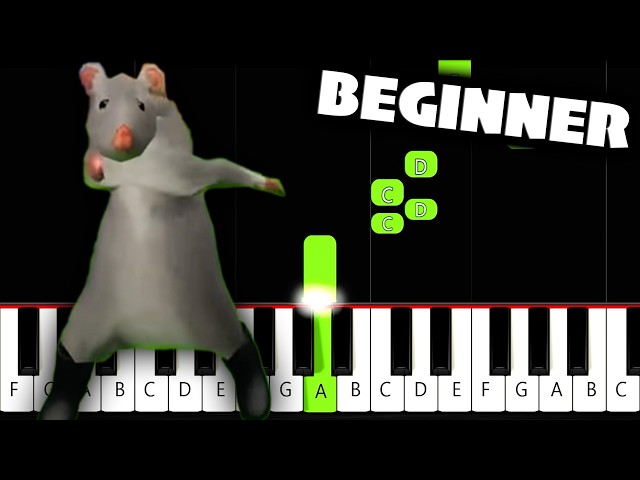
Why learn the Rat Dance on piano?
Learning how to play the rat dance on piano builds timing, hand independence, and groove control. The piece forces you to lock a steady ostinato while shaping syncopation and accents in the right hand. It’s also a great study in phrasing and dynamics that translates to many other styles.

Key elements to master
Focus on these core elements when practicing how to play the rat dance on piano.
- Left-hand ostinato: Keep a steady, even pulse. The left hand often repeats a short rhythmic motif across measures.
- Right-hand syncopation: Accent offbeats and connect riffs smoothly. Think small, clear phrases.
- Tempo and swing: Choose a tempo you can keep steady. Slight swing or relaxed timing often fits the style.
- Dynamics and articulation: Play playful accents and vary touch for contrast.
Each element is small but crucial. Combine them slowly and cleanly to build confidence with how to play the rat dance on piano.

Step-by-step: how to play the rat dance on piano
Follow these steps to learn the piece from scratch.
- Listen and map
- Listen to a reliable recording several times. Clap the main rhythm and sing the motifs before touching the keys.
- Left hand alone
- Practice the left-hand ostinato on repeat. Use a metronome and aim for evenness across several bars.
- Right hand alone
- Learn short right-hand phrases. Break them into two-bar chunks and play them slowly.
- Hands together slowly
- Play both hands at half tempo. Focus on alignment of accents and the left-hand pulse.
- Increase tempo in small steps
- Add 5–10 BPM at a time. Keep accuracy over speed.
- Add musical details
- Apply dynamics, tempo rubato, and articulation. Shape the ending and any cadences.
I often used a practice routine where I spent 10 minutes on left hand, 10 on right hand, and 15 on hands together. That routine helped me internalize the groove and avoid rushing when learning how to play the rat dance on piano.
Fingerings and hand placement
Good fingerings reduce tension and improve flow. Use stable thumb positions for the left-hand ostinato and curved fingers for right-hand runs. Mark finger numbers lightly in your score to avoid hesitation.
Practice plan and exercises
A 4-week plan can get you performance-ready. Keep sessions short and focused for best results.
- Week 1: Slow mapping and left-hand security. Spend 15 minutes daily on ostinato and metronome work.
- Week 2: Add right-hand riffs. Practice two-bar chunks and loop transitions.
- Week 3: Hands together and tempo building. Play with dynamics and accents.
- Week 4: Polish, record, and perform for a friend or video.
Daily micro-practice of 20–30 minutes yields steady progress. I recommend recording each week so you can hear improvements and adjust how to play the rat dance on piano.
Common mistakes and fixes
These mistakes slow progress when learning how to play the rat dance on piano.
- Rushing the tempo: Fix with a metronome and deliberate tempo bumps.
- Losing the left-hand pulse: Isolate and loop the ostinato until it becomes automatic.
- Overplaying the right hand: Pull back dynamics and aim for clarity.
- Inconsistent articulation: Mark accents and practice with staccato and legato contrasts.
When I first learned the piece, I rushed the run-ups. Slowing down and marking breaths fixed phrasing and made the groove obvious.
Arranging and stylistic tips
Make the Rat Dance your own while staying true to its groove.
- Vary the left-hand voicing: Add a fifth or octave for fullness on repeats.
- Use sparse syncopation: Less can be more—leave space for the ear.
- Add short fills: Use one- or two-note fills between phrases for personality.
- Consider tempo shifts: A slight pull back before a chorus adds drama.
These choices help you express musical intent and adapt how to play the rat dance on piano to different settings, from solo performance to small ensemble.
Frequently Asked Questions of how to play the rat dance on piano
What tempo should I start with for the Rat Dance?
Start very slow—around 60–70 BPM—so you can align both hands and master syncopation. Gradually increase tempo while keeping accuracy.
Do I need sheet music to learn the Rat Dance?
Sheet music helps, but you can learn by ear from recordings or lead sheets. Transcribing short phrases builds ear skills and deeper understanding.
How long will it take to play smoothly?
With consistent 20–30 minute daily practice, expect basic fluency in 2–4 weeks. Full musical polish may take longer depending on experience.
What technical skills help most with this piece?
Hand independence, even ostinato playing, and syncopation control are most helpful. Focused exercises on these skills transfer directly to the piece.
Can I adapt the Rat Dance for other instruments?
Yes. The core groove can be adapted for guitar, bass, and small ensembles; just preserve the steady rhythmic pulse and syncopated lead lines.
Conclusion
Mastering how to play the rat dance on piano is about steady rhythm, clear syncopation, and patient practice. Break the piece into small parts, reinforce the left-hand ostinato, and shape the right-hand lines with musical intent. Try the 4-week plan, record your progress, and experiment with small arrangements to make the piece your own. If this guide helped, leave a comment, subscribe for more breakdowns, or share a recording of your version.

Senior Music Reviewer
Alex Carter is a seasoned music reviewer with over a decade of experience in the world of sound and instruments. Passionate about helping musicians and enthusiasts make informed choices, he brings sharp insights and in-depth knowledge to every review. From classical instruments to modern gear, Alex combines technical expertise with a love for music to deliver content that resonates with readers.
As a Senior Music Reviewer and expert author on Tuneluma.com, Alex is dedicated to sharing honest evaluations, practical advice, and thoughtful commentary to guide readers in their musical journey.