
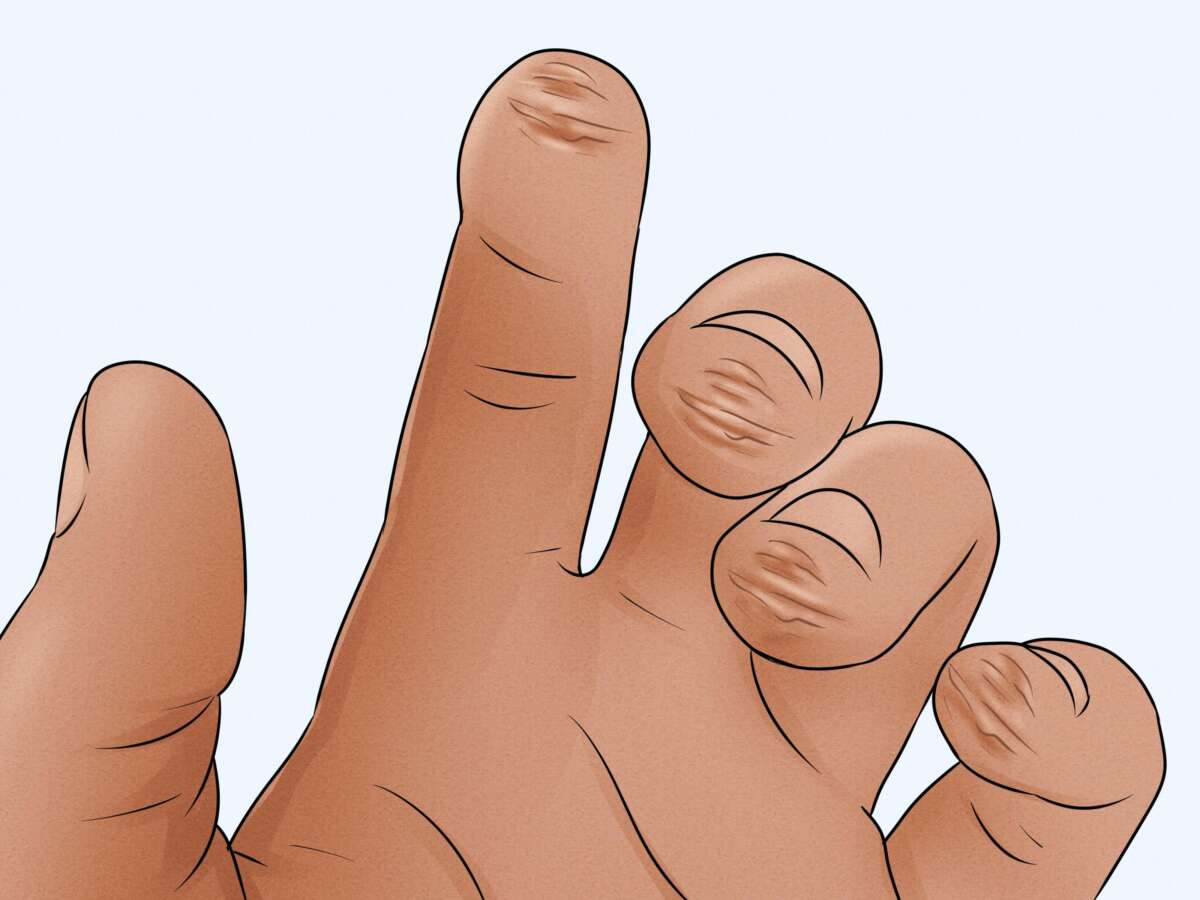
How To Build Calluses For Guitar: Fast, Safe Methods
Build guitar calluses by short, steady practice, gradual string exposure, and smart care.
I’ve taught and played guitar for over a decade, and I’ll walk you through exactly how to build calluses for guitar with safe, proven steps. This guide blends biology, practical routines, gear choices, and real-life tips so you can form durable fingertip calluses without pain or injury.

Why calluses matter for guitar players
Calluses let you press strings longer and louder without pain. They make chords clean and speed playing easier.
Strong calluses change your tone and comfort. You will play for longer stretches and try new techniques. Learning how to build calluses for guitar is one of the fastest ways to improve your practice quality.
How calluses form and what to expect
Calluses form by the skin thickening where friction occurs. The body produces more keratin so the fingertip skin hardens over weeks.
Expect redness, mild soreness, and a clear timeline: 1–2 weeks of noticeable toughening, 4–6 weeks for stable calluses with regular practice. How to build calluses for guitar depends on pressure, frequency, string type, and individual skin biology.

Step-by-step plan: how to build calluses for guitar
-
Start with short, daily sessions
Practice 10–20 minutes a day for the first two weeks. Short, consistent sessions teach skin to adapt without overdoing it. -
Use focused drills that touch strings often
Play single-note scales, open-chord changes, and chromatic exercises. These drills increase friction in controlled ways. -
Gradually increase practice time
Add 5–10 minutes each week until you reach 45–60 minutes. This gradual ramp builds calluses while reducing injury risk. -
Choose the right strings to match goals
Light gauge electric strings feel easier; medium or heavy acoustic strings toughen fastest. Change strings only when you need new tone or feel. -
Pay attention to pressure and technique
Use just enough pressure to avoid buzzing. Proper fretting technique means less strain and more efficient callus building. -
Rest and recovery days
Schedule at least one easy day per week. Rest prevents blisters and allows skin to thicken naturally.
Following this plan shows you how to build calluses for guitar without shortcuts or damage.

Tips to speed callus formation safely
- Keep sessions frequent and short to force adaptation. Short bursts beat long pain-heavy sessions.
- Avoid soaking fingertips in water to hasten calluses; that weakens skin and can delay healing.
- Moisturize at night, not before practice. Oil-based creams after practice keep skin healthy without softening it right before playing.
- File only uncomfortable rough edges with a fine emery board. Don’t sand down healthy calluses aggressively.
- Use a lighter touch on barre chords until calluses firm up. Adjust capo or thumb position to reduce strain.
These tips explain practical ways to accelerate how to build calluses for guitar while staying safe.

Common mistakes and how to recover
-
Over-practicing too soon
Pushing through intense pain can cause blisters. If a blister forms, stop, keep it clean, and let it heal. -
Picking at calluses
Peeling or cutting calluses creates sensitive skin underneath. Let them flake naturally or gently smooth edges. -
Switching to heavy strings immediately
Jumping to thick strings can cause severe pain and delay progress. Increase gauge slowly as calluses improve.
If you injure a fingertip, clean the area, apply a sterile dressing, and allow rest. Seek medical attention if signs of infection appear. These steps help you recover and restart building calluses for guitar safely.

Tools, strings, and alternatives
-
String choices
How to build calluses for guitar changes with string type. Nylon strings are easier on fingertips but produce less callous stimulus than steel. Light steel strings are a good starting point. -
Protective tools
Finger protectors and latex thimbles help if you need to practice without pain for a short time, but they slow callus formation. Use them sparingly. -
Callus aids
Emery boards, pumice, and mild moisturizers can maintain calluses. Avoid aggressive tools that remove healthy skin. -
Alternate techniques
Consider alternate picking, hybrid picking, or using your thumb for bass notes to reduce strain while calluses build.
Choosing the right gear and tools makes the process of how to build calluses for guitar more consistent and less painful.

My personal experience with building calluses for guitar
When I first learned, I tried marathon sessions and got blisters in a week. I switched to 15 minutes daily and saw steady results in two weeks. That routine taught me how to build calluses for guitar without losing practice time.
I also learned to change strings gradually. Moving from light to medium gauge over months made my calluses stronger. Today I still use short, focused practice when starting a new technique. The slow method saved time and frustration.

Quick questions people ask
How long until I see results?
Most players notice firmer skin in 1–2 weeks with daily practice. Full, stable calluses often take 4–6 weeks.
Can I speed it up with remedies?
No quick fixes are healthy. Consistent practice and good care work best for how to build calluses for guitar.
Will calluses affect my tone?
Calluses slightly change tone and attack, often making the sound clearer and cleaner.

Frequently Asked Questions of how to build calluses for guitar
How often should I practice to build calluses?
Practice daily in short sessions of 10–20 minutes early on, then increase gradually. Consistency matters more than long sessions.
Should I use lighter strings to form calluses?
Lighter strings ease pain but slow callus formation. Start light if needed, then move to medium gauges as your skin adapts.
Is it bad to have very thick calluses?
Very thick calluses can reduce sensitivity and cause tuning or fretting issues. Trim or smooth them lightly if they interfere with play.
Can I use products to harden my skin faster?
Most harsh chemicals can damage skin and cause problems. Stick to gradual practice and safe moisturizers instead.
What if I get blisters while building calluses?
Stop playing, clean the blister, and let it heal covered. Resume gentle practice only after pain subsides.
Will calluses go away if I stop playing?
Yes, calluses reduce after weeks of inactivity. Regular touch-up practice restores them quickly.
Are calluses the same for acoustic and electric guitars?
Callus development is similar, but acoustic strings (especially heavier gauges) tend to build calluses faster than electric strings.
Conclusion
Building fingertips that can handle long practice sessions is simple but slow: short daily practice, correct technique, proper strings, and smart care. Start small, stay consistent, and listen to your fingers. Try the step-by-step routine here for a month and you’ll feel clear progress in how to build calluses for guitar.
Ready to commit? Start a two-week short-session plan today, leave a comment with your progress, or subscribe for more practical guitar tips and routines.

Senior Music Reviewer
Alex Carter is a seasoned music reviewer with over a decade of experience in the world of sound and instruments. Passionate about helping musicians and enthusiasts make informed choices, he brings sharp insights and in-depth knowledge to every review. From classical instruments to modern gear, Alex combines technical expertise with a love for music to deliver content that resonates with readers.
As a Senior Music Reviewer and expert author on Tuneluma.com, Alex is dedicated to sharing honest evaluations, practical advice, and thoughtful commentary to guide readers in their musical journey.