How Much Do Guitar Techs Make: Real Pay Breakdown 2026
Guitar techs typically earn between $25,000 and $75,000 per year, with wide variation by role.
I’ve worked on stages and in repair shops, and I’ll walk you through the real numbers, what drives pay, and how to increase earnings. This article answers “how much do guitar techs make” in practical terms. I’ll explain shop rates, tour day rates, freelance income, and hidden perks. Read on if you want a clear, experience-backed guide to pay, career moves, and realistic expectations.

What a guitar tech does
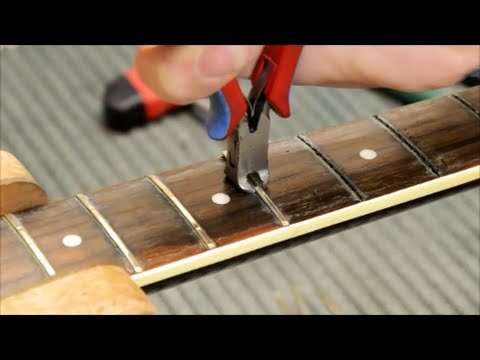
A guitar tech keeps guitars and gear stage-ready. Tasks include setups, restringing, intonation, fretwork, electronics troubleshooting, and amp maintenance. On tour, techs handle stage changes, rigging, and quick fixes. In a shop, they diagnose problems and perform detailed repairs.
Guitar techs also manage inventory, label gear, and liaise with artists. That mix of hands-on skill and people work affects earnings. How much do guitar techs make depends on which of these duties they perform and where they work.

Salary ranges and typical pay structures
Pay varies a lot. Here are common ranges you’ll see.
- Entry-level shop techs: $12 to $20 per hour. These are new techs doing basic setups and restringing.
- Experienced in-shop techs: $20 to $35 per hour. They handle complex repairs and wiring.
- Freelance hourly work: $25 to $75 per hour, depending on skill and demand. Freelancers set rates for custom jobs.
- Road/tour techs: $150 to $500+ per day. Small tours pay lower day rates. Big acts and festivals pay much more and include travel perks.
- Full-time salaried techs: $30,000 to $80,000 per year. Salaries depend on location, employer, and responsibilities.
- Top-tier techs for major artists: $60,000 to $120,000+ per year, often with travel, per diems, and benefits.
How much do guitar techs make can swing dramatically between shop work and touring. Touring often pays more per day but can be less steady. Shop work is steadier but may pay less overall.
Factors that affect pay
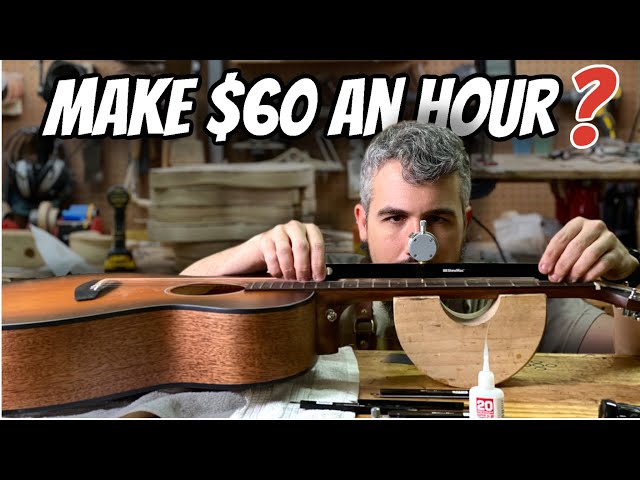
Several clear factors determine earnings.
- Location: Big cities and music hubs pay more. Cost of living drives rates.
- Experience: Years on the job and specialties raise pay. A tech with wiring and luthier skills commands higher rates.
- Employer type: Touring gigs, session work, and high-end shops pay differently. Record labels and major acts pay top dollar.
- Scope of work: Basic maintenance pays less than electronics, fret dress, or custom builds.
- Reputation and network: A good referral can mean higher day rates. Word of mouth is crucial.
- Union or contract status: Union gigs or formal contracts can raise baseline pay and benefits.
- Perks: Travel, lodging, per diems, and gear access can be part of total compensation.
Ask about these factors when negotiating. They change how much do guitar techs make in a real way.
Job types and where the money comes from
Knowing job types helps you see income streams.
- Retail/shop technician: Regular hours, steady pay, and local clients. Salary or hourly.
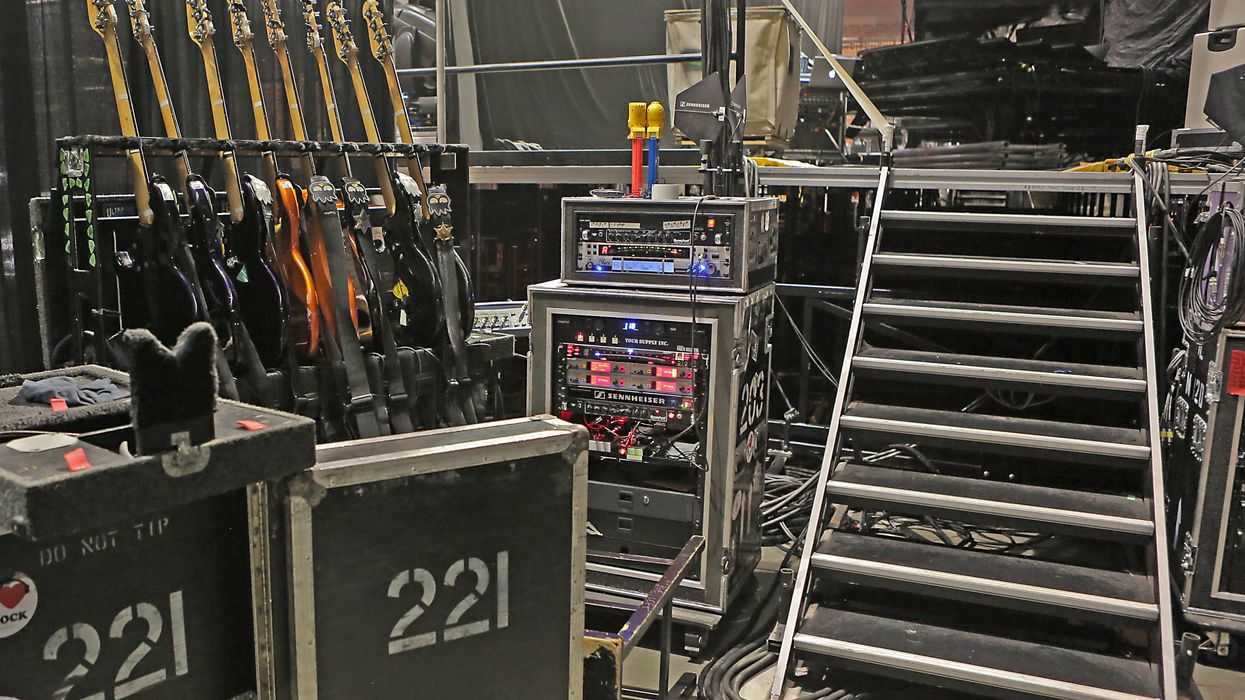
- Touring/backline tech: Higher daily pay, travel, and long hours. Variable schedule.
- Session/studio tech: Hourly or per-project pay. Work is often daytime and quiet.
- Freelance/independent tech: Set your rates, find clients, manage taxes and scheduling.
- Luthier/repair specialist: Higher pay for custom work and builds. Often charges flat fees for jobs.
- Teaching and clinics: Additional income from lessons and workshops.
- Rental/gear tech: Companies pay to maintain rental instruments and PA gear.
Each path answers “how much do guitar techs make” differently. Mix and match to stabilize income.

How to increase your earnings
Here are practical steps to raise pay.
- Specialize in electronics or fretwork. Specialists charge more.
- Build a portfolio with photos and testimonials. Show results.
- Network with local musicians, venues, and production companies. Referrals matter.
- Offer day rates for tours and flat prices for shop jobs. Clear pricing helps.
- Upsell services like pre-show checks, quick setups, or custom wiring.
- Learn amp and pedal repair to widen services. More skills mean more income.
- Consider certification courses or apprenticeships for credibility.
If you ask smart questions and set clear terms, you can improve how much do guitar techs make over time.

Tools, costs, and typical expenses
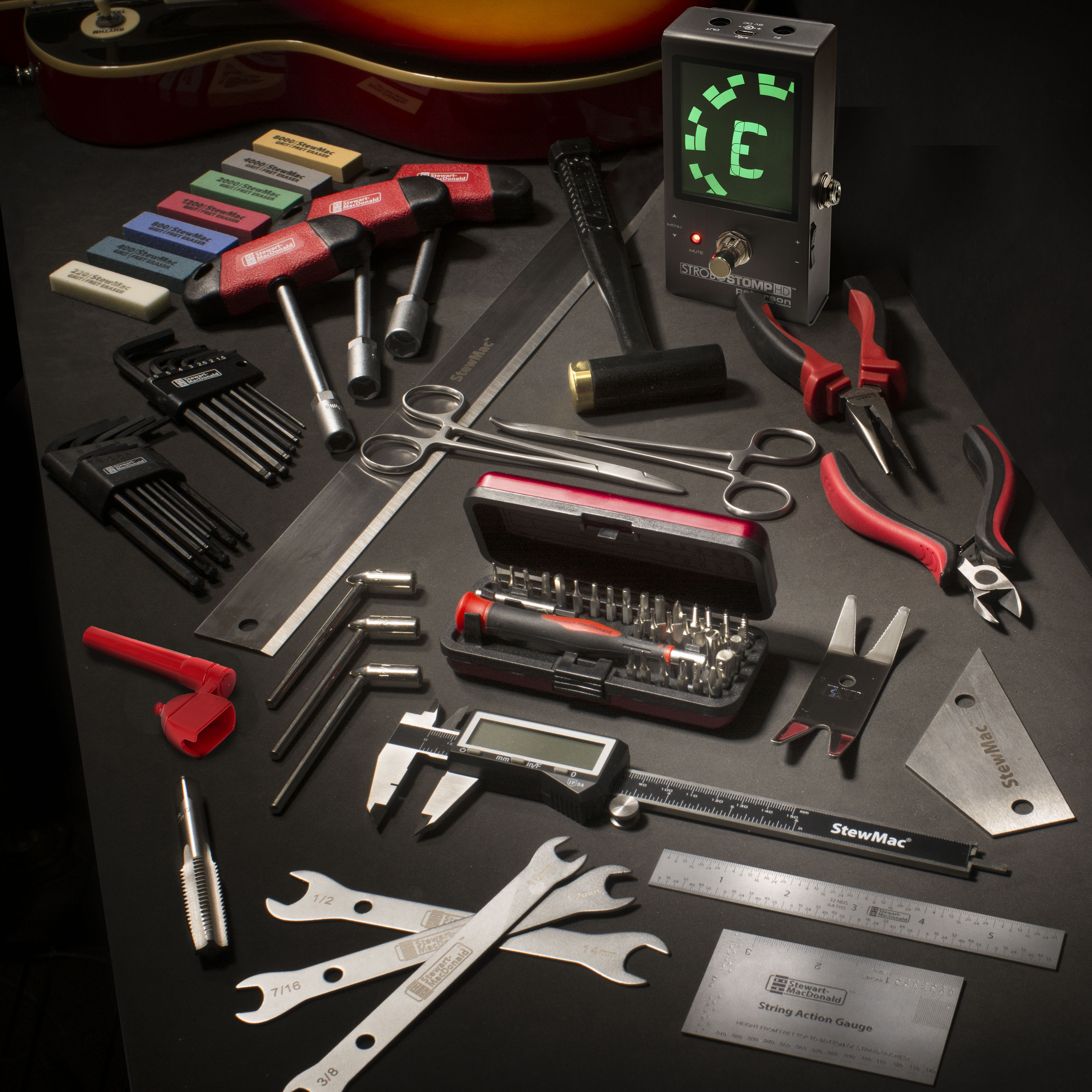
Tools are an investment that affects take-home pay. Expect initial costs and ongoing expenses.
- Basic toolset: screwdrivers, nut files, string winders, tuner — $200 to $500.
- Precision tools: feeler gauges, straightedge, fret crowning files — $300 to $1,000.
- Soldering station and electronics tools — $100 to $400.
- Specialized machines: fret press, radiusing jigs — $500 to several thousand, often for luthiers.
- Consumables: strings, polish, wire, solder — ongoing monthly costs.
Factor these into pricing. Freelancers must account for taxes, insurance, and travel. That impacts net income and answers “how much do guitar techs make” after expenses.
Career path and long-term outlook
A guitar tech career can evolve in clear steps.
- Start with small jobs and learn fast. Build experience in shops or local shows.
- Move to larger clubs, regional tours, or session work. Increase rates as skills grow.
- Pivot to luthier work, open your own shop, or become a full-time touring tech for a major act.
- Teach, consult, or sell custom gear as passive income streams.
Demand for skilled techs stays steady. Instruments still need setup and repair. How much do guitar techs make tends to improve with reputation and skill.

Personal experience and lessons learned
I started as a weekend shop tech. I learned to stay calm on stage. Mistakes taught me billing lessons. Early on I undercharged for emergency setups. That cost me time and profit.
A few honest tips from my years on the road:
- Always get terms in writing. Verbal deals lead to misunderstandings.
- Build a simple price list for common services. It speeds sales and avoids haggling.
- Pack a basic mobile kit for quick fixes. Fast service earns repeat clients.
- Keep receipts and track expenses for taxes. Freelance work has hidden costs.
These small changes made a big difference in how much do guitar techs make in my experience.

Common quick questions
Q: How much do guitar techs make per hour?
A: Expect $12 to $75 per hour depending on role, experience, and location. Shop rates are toward the low end; freelance specialty work hits the high end.
Q: Do touring guitar techs make more than shop techs?
A: Generally yes. Tour day rates are higher, but tours are less consistent. Total annual pay depends on tour frequency and contract terms.
Q: Is being a luthier more profitable than being a guitar tech?
A: It can be. Luthiers charge premium fees for custom work. But luthier work requires more tools and time, and client acquisition can be slow.
Frequently Asked Questions of how much do guitar techs make
What is the average yearly salary for a guitar tech in the U.S.?
Average yearly pay ranges widely, but many techs fall between $25,000 and $55,000 annually. High-end touring or long-term shop leads can earn $60,000 to $100,000+.
How much do guitar techs make on tour per day?
Tour day rates typically range from $150 to $500 or more, depending on the act and duties. Higher-profile tours include per diems and lodging, which increase total compensation.
Can guitar techs earn a living with freelance work?
Yes, but freelancers need steady clients and good pricing. Combining shop work, sessions, and teaching makes freelance income more stable.
Do guitar techs get benefits like healthcare or retirement?
Full-time salaried positions sometimes include benefits, but freelance and per-day gigs usually do not. Many techs secure personal insurance and retirement plans independently.
How long does it take to earn top rates as a guitar tech?
Typically several years. Building a strong reputation, diverse skills, and a network often takes 3 to 7 years. Specialized work speeds up that timeline.
Does certification help increase pay?
Formal certifications can boost credibility, especially for electronics and instrument repair. However, hands-on experience and references often matter more in the music world.
Conclusion
How much do guitar techs make depends on choices you make: shop or tour, generalist or specialist, stable salary or freelance hustle. Pay varies widely, but skills, reputation, and clear pricing raise earnings. Start with strong basics, document your work, and network steadily. Take action today: build a price list, invest in one high-quality tool, and reach out to three local venues or bands. Want more detail on tour rates or tool lists? Leave a comment or subscribe for deeper guides.

Senior Music Reviewer
Alex Carter is a seasoned music reviewer with over a decade of experience in the world of sound and instruments. Passionate about helping musicians and enthusiasts make informed choices, he brings sharp insights and in-depth knowledge to every review. From classical instruments to modern gear, Alex combines technical expertise with a love for music to deliver content that resonates with readers.
As a Senior Music Reviewer and expert author on Tuneluma.com, Alex is dedicated to sharing honest evaluations, practical advice, and thoughtful commentary to guide readers in their musical journey.