How To Read Lead Sheets Piano: Quick Beginner Guide
Read the melody, interpret the chord symbols, and choose simple voicings to support the tune.
I’ve spent over 15 years teaching and playing from lead sheets, so I’ll walk you through precisely how to read lead sheets piano with clear steps, real examples, and practice routines that build confidence fast. This article explains what lead sheets show, how to decode chord symbols, how to turn a melody and a few chords into a full-sounding piano arrangement, and common mistakes to avoid. If you want to play pop, jazz, gospel, or singer-songwriter tunes without a full score, learning how to read lead sheets piano will change how you approach songs forever.
What is a lead sheet and why it matters
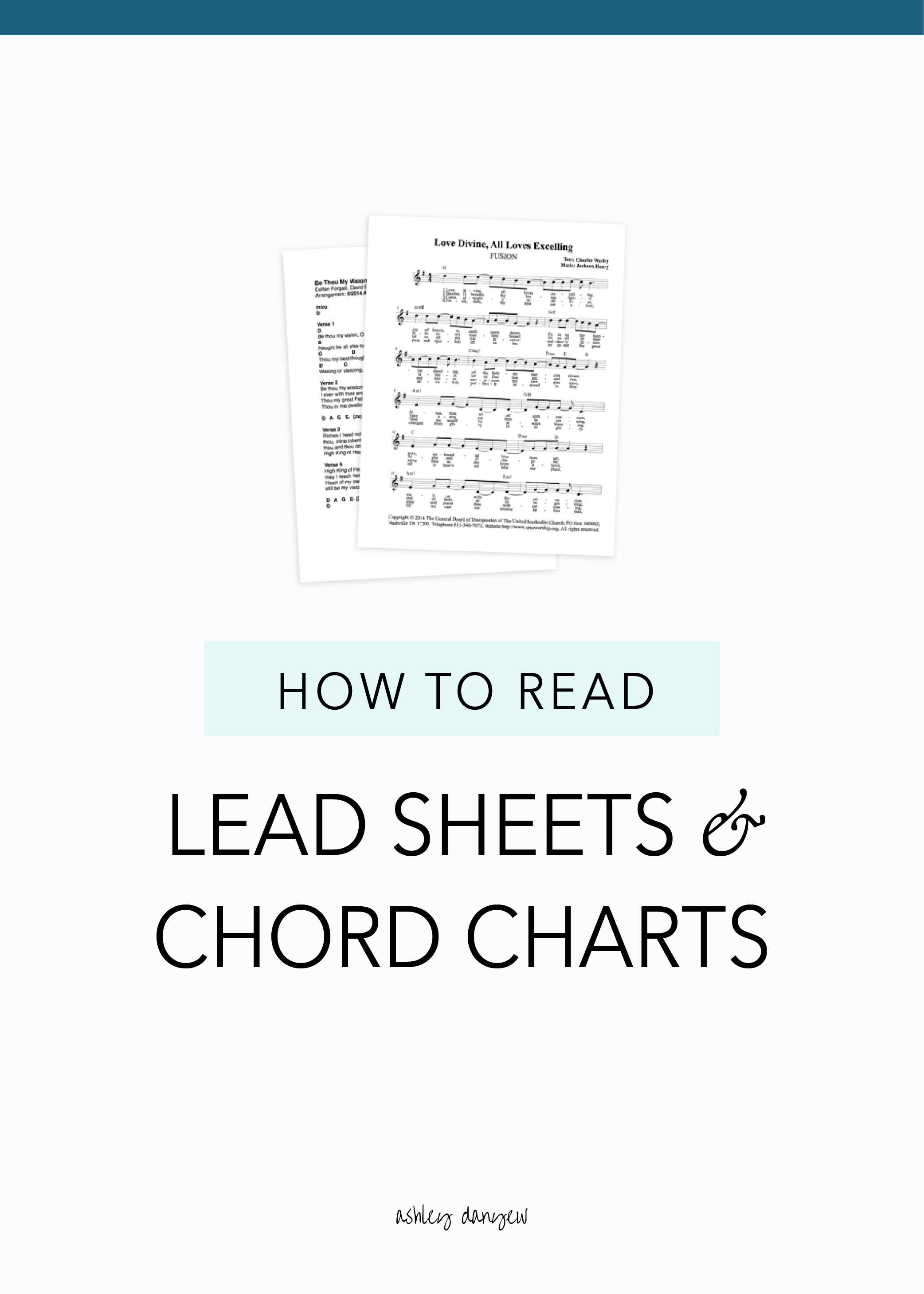
A lead sheet is a pared-down music document. It gives the melody, chord symbols, and sometimes lyrics. It does not give full piano parts or orchestration. Learning how to read lead sheets piano means you can improvise harmony, adapt arrangements, and accompany singers on the fly.
Key elements of a lead sheet:
- Melody line written in standard notation, usually single staff.
- Chord symbols above the staff indicating harmony.
- Lyrics placed under the melody when relevant.
Why it matters:
- Quick to learn songs and accompany others.
- Great for jam sessions, gigs, and songwriting.
- Teaches harmonic thinking and ear training.
Source: ashleydanyew.com
Core skills you need to read lead sheets piano
To read lead sheets well, build these skills slowly and steadily.
Essential skills:
- Note reading: identify melody notes and rhythms quickly.
- Chord literacy: know root, quality, and common extensions.
- Voicing: choose left- and right-hand textures that support the tune.
- Rhythm and feel: match comping to song style (swing, pop, ballad).
- Ear training: hear how chords connect and sing the melody.
How these skills work together:
- Melody guides the right hand while chord symbols guide harmony.
- Your left hand provides roots, bass lines, or shell voicings.
- Right hand adds color tones or doubles melody with harmony.
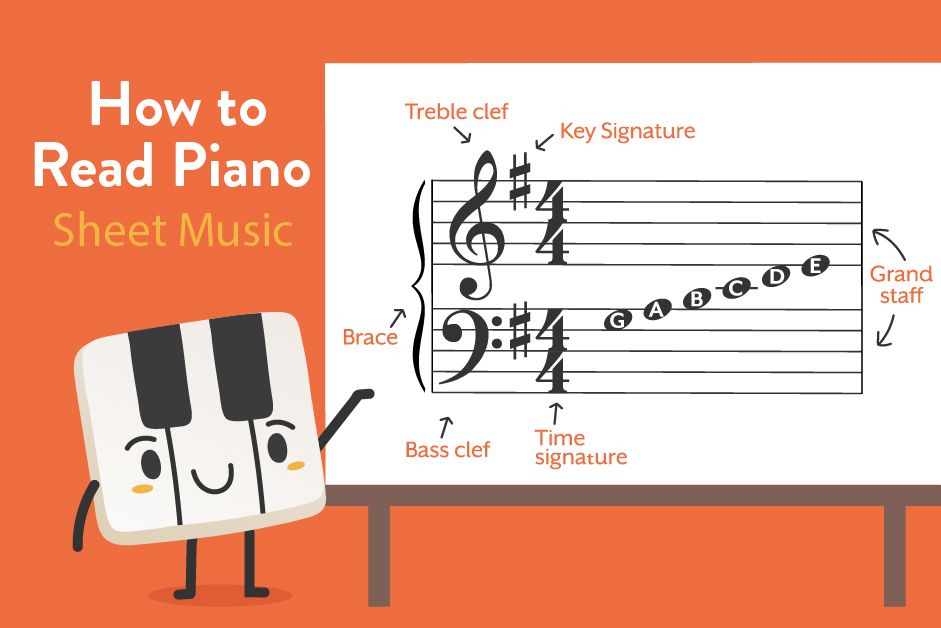
Source: hoffmanacademy.com
Step-by-step: how to read lead sheets piano (practical workflow)
Follow this simple workflow each time you approach a lead sheet.
- Scan the chart
- Read the key signature, time signature, and form markings.
- Identify repeats, codas, and any tempo or style notes.
- Learn the melody
- Play the melody slowly with the right hand.
- Clap or tap the rhythm first to lock timing.
- Decode chord symbols
- Read each chord symbol and name the chord tones.
- Translate symbols to playable voicings.
- Choose a left-hand approach
- Start with root-note or root-5th patterns.
- Move to shell voicings once comfortable.
- Add right-hand harmony
- Voice the chord tones around the melody.
- Use guide tones (3rd and 7th) to outline the harmony.
- Practice with a steady tempo
- Use a metronome or backing track.
- Repeat small sections and connect them.
- Experiment and simplify
- Remove busy fills if the song gets muddy.
- Keep the melody clear above the harmony.
This routine shows how to read lead sheets piano in a repeatable, low-stress way.
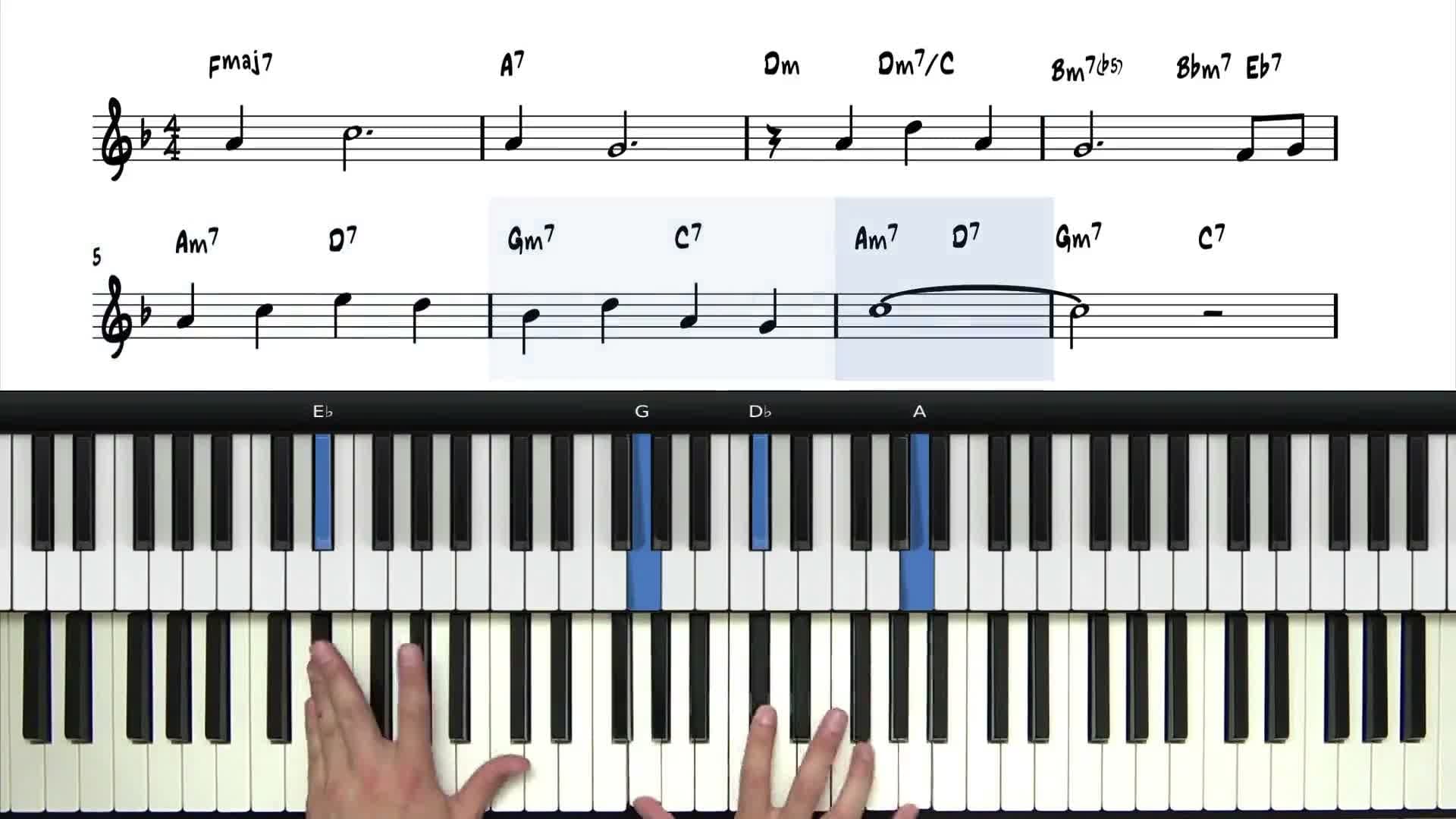
Understanding chord symbols and playing them on piano
Chord symbols are shorthand. Learn the logic and play useful voicings.
Common symbols and meanings:
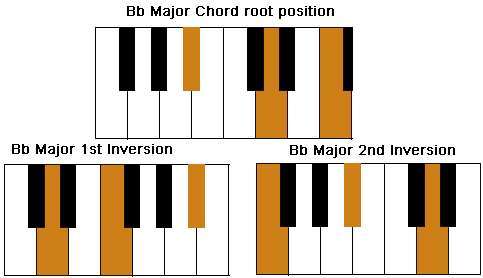
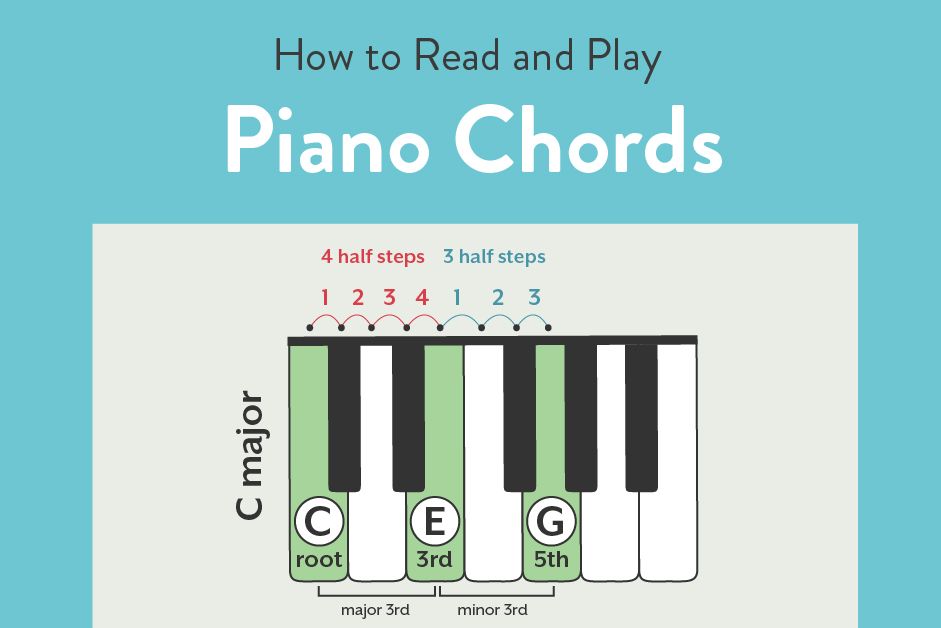
- C or Cmaj: major triad; play C-E-G.
- Cm or Cmin: minor triad; play C-Eb-G.
- C7: dominant seventh; play C-E-G-Bb.
- Cm7: minor seventh; play C-Eb-G-Bb.
- Cmaj7: major seventh; play C-E-G-B.
- C6, C9, C13: extensions; include or imply added color tones.
- C/G: slash chord; play C chord with G in the bass.
Practical voicing tips:
- For pop: play root in left hand and full triad or 7th in right hand.
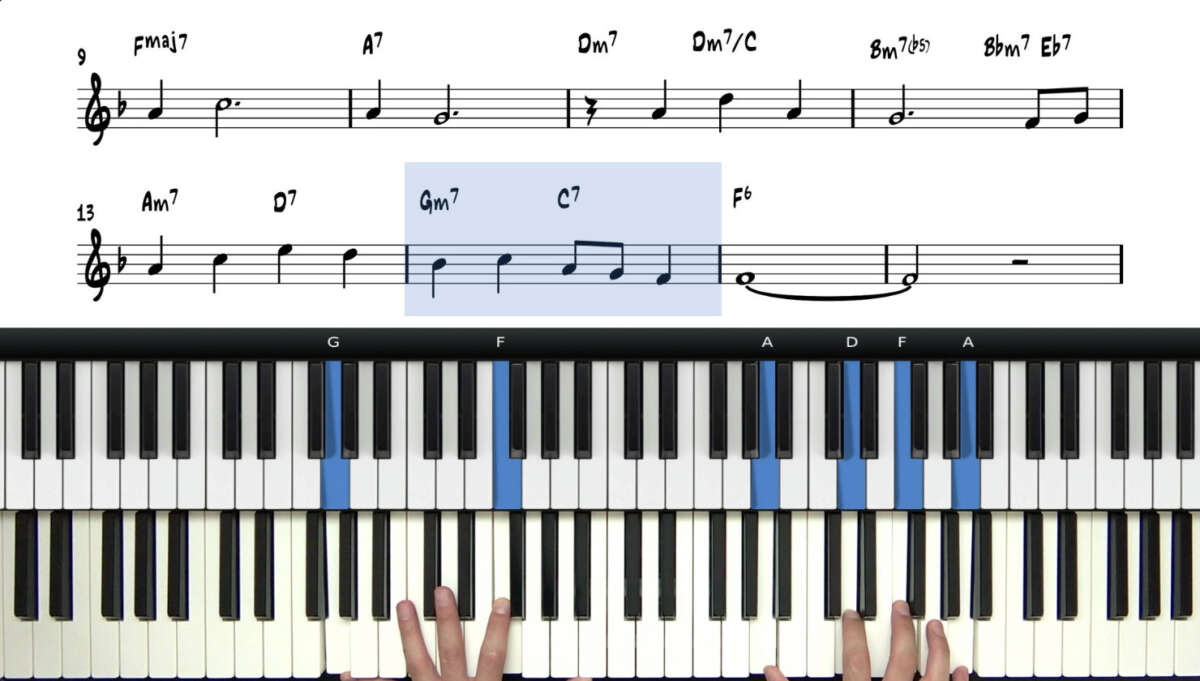
- For jazz: use shell voicings (left hand plays root and 7th; right hand plays 3rd and extensions).
- For slow ballads: spread the notes (arpeggiate) to support the melody.
Example: C — Dm7 — G7 — C
- Left hand: play roots or walking bass.
- Right hand: voice 3rd and 7th over the chord changes to create smooth movement.
Knowing these rules helps you translate chord symbols quickly when you learn how to read lead sheets piano.
Left-hand comping, bass lines, and groove
Your left hand sets the harmonic and rhythmic foundation. Start simple and add complexity.
Basic left-hand options:
- Root only: play the root on beats 1 and 3.
- Root-5th: classic and stable; good for pop and worship.
- Shell voicing: play root and 7th (or 3rd), leaving color tones to the right hand.
- Walking bass: use scale steps to connect chords, common in jazz.
How to choose:
- Follow the song’s style: steady roots for ballads, syncopated patterns for funk, walking bass for jazz.
- Keep volume balanced so the melody remains prominent.
Quick exercise:
- Play the melody with the right hand while alternating left-hand roots on beats 1 and 3 for a full-sounding start.
Mastering the left hand makes reading and performing lead sheets feel natural and musical.
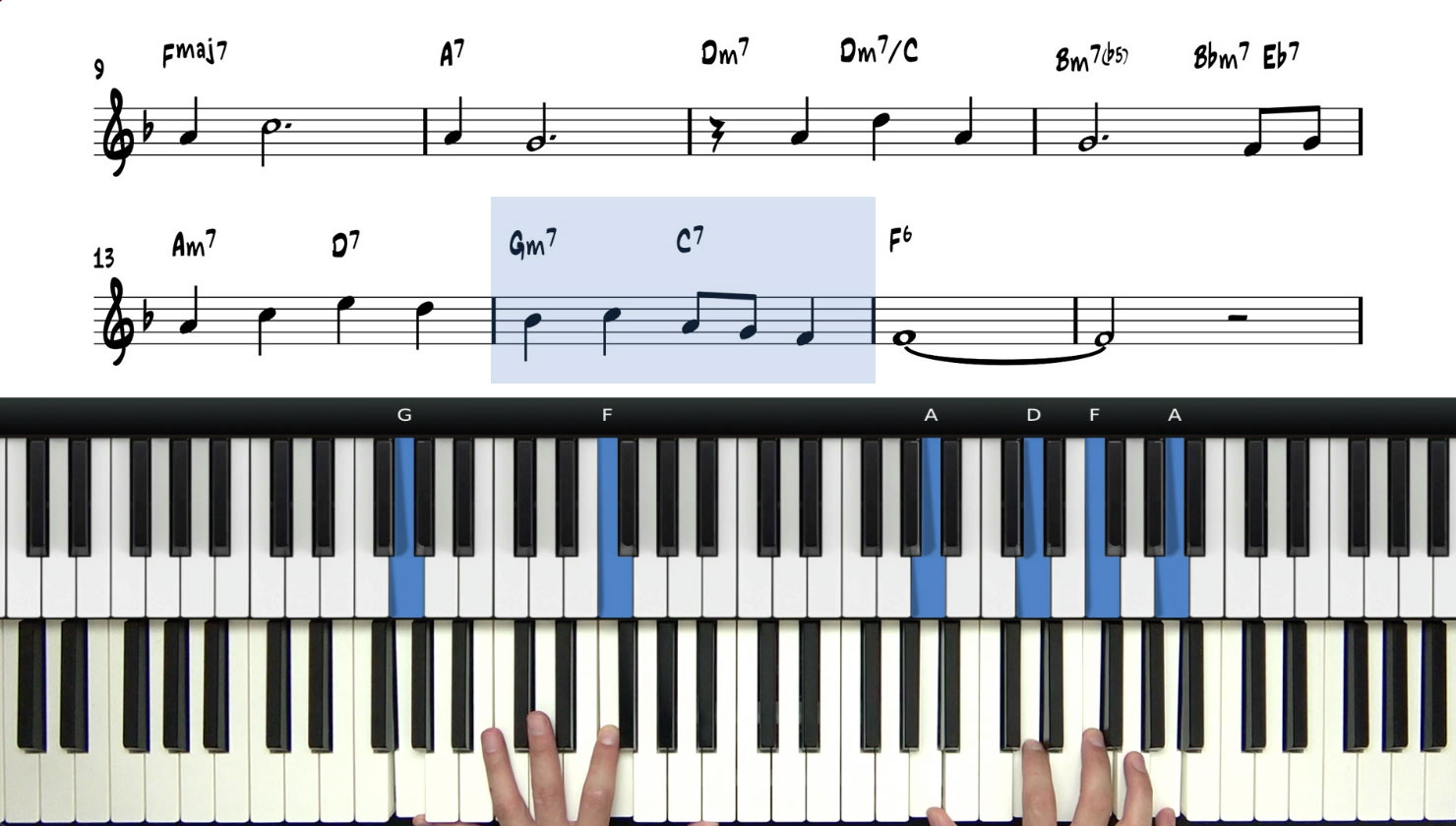
Voicings, reharmonization, and arranging ideas
Lead sheets invite creativity. Use reharmonization and voicing choices to make songs yours.
Voicing strategies:
- Close voicings: notes stacked close together, intimate sound.
- Open voicings: spread notes across octaves for a big sound.
- Rootless voicings: omit the root and play 3rd, 7th, and extensions for a jazzier color.
- Guide-tone lines: move the 3rd and 7th between chords to create smooth voice leading.
Simple reharmonization ideas:
- Substitute ii for IV: in C, try Dm7 instead of F.
- Use secondary dominants: play A7 before Dm to strengthen the move.
- Modal interchange: borrow a chord from the parallel minor for color (use Ebmaj7 in C major to add surprise).
Arrangement tips:
- Start with sparse accompaniment and add layers through repeats.
- Use dynamics and register changes to shape the song.
- Keep the melody clear; supporting harmony should not overpower it.
These techniques explain how to read lead sheets piano and then go beyond the page to shape musical performances.
Practice routine, ear training, and mistakes to avoid
Consistent practice accelerates progress. Use short focused sessions.
Daily practice plan (20–40 minutes):
- 5 minutes warm-up: scales or finger exercises.
- 10 minutes melody reading: sight-read new short lead sheets.
- 10 minutes chord practice: play common voicings and inversions.
- 5–15 minutes apply: play one song from start to finish with backing.
Ear training drills:
- Sing chord roots as you play them.
- Practice identifying major vs. minor by ear.
- Transcribe a simple lead sheet by ear once a week.
Common mistakes and how to avoid them:
- Trying to play everything: prioritize melody first, then harmony.
- Ignoring form: mark repeats and endings before practicing.
- Overcomplicating voicings too soon: start simple and add color later.
Personal note from the piano bench:
- Early in my playing, I overloaded songs with dense voicings and buried the singer. I learned to always prioritize clarity and the song’s intent. That single change made me a better accompanist fast.
These habits make learning how to read lead sheets piano both practical and enjoyable.
PAA-style questions (quick answers)
Q: How fast can I learn to read lead sheets piano?
A: With daily short practice, basic sight-reading of lead sheets can take a few weeks. Mastery of voicings and improvisation usually takes months to years depending on practice.
Q: Do I need to know music theory to read lead sheets piano?
A: Basic theory helps—scales, chord construction, and common progressions are enough to start. Advanced theory enriches reharmonization and improvisation.
Q: Can beginners use lead sheets for pop songs?
A: Yes. Many pop lead sheets are simple and ideal for beginners to learn melody-harmony relationships. Start with slow songs and basic chords.
Frequently Asked Questions of how to read lead sheets piano
What is the easiest way to start reading lead sheets piano?
Start by learning to play the melody with your right hand and simple root notes with your left hand. Practice one small section at a time and repeat slowly until comfortable.
How do chord symbols translate to piano voicings?
Chord symbols name the chord root and quality; use triads or seventh voicings built on those tones. Use the 3rd and 7th as guide tones for smooth changes and add extensions conservatively.
Should I always follow the written melody exactly?
Not always. Keep the melody recognizable, but you can add small ornaments or fills to taste. Prioritize clarity when accompanying singers.
How do I handle unknown or complex chord symbols?
Break them into parts: root, quality (maj/min/dom), and extensions. If unsure, simplify to a basic triad or seventh to keep the harmony stable.
Can I learn how to read lead sheets piano without formal lessons?
Yes. Use method books, backing tracks, and focused practice. Supplement with online tutorials and regular playing with other musicians for real-world experience.
How do I practice improvising over a lead sheet?
Begin by playing the melody, then improvise using chord tones and scale tones related to the chords. Limit your note choices at first and expand as your ear improves.
How important is rhythm when reading lead sheets?
Very important. Rhythm shapes the song’s feel. Practice clapping or tapping the groove before adding harmony to stay locked with the style.
Conclusion
Learning how to read lead sheets piano gives you freedom to play many songs with confidence. Start by reading the melody, decoding chord symbols, and using simple left-hand patterns. Build daily habits: short warm-ups, chord practice, and guided ear training. Try one new lead sheet each week and focus on clarity over complexity. Practice these steps, and you’ll be accompanying, arranging, and improvising from lead sheets with joy and skill. Now pick a song, open a lead sheet, and put these ideas into practice — and feel free to share your progress or questions below.

Senior Music Reviewer
Alex Carter is a seasoned music reviewer with over a decade of experience in the world of sound and instruments. Passionate about helping musicians and enthusiasts make informed choices, he brings sharp insights and in-depth knowledge to every review. From classical instruments to modern gear, Alex combines technical expertise with a love for music to deliver content that resonates with readers.
As a Senior Music Reviewer and expert author on Tuneluma.com, Alex is dedicated to sharing honest evaluations, practical advice, and thoughtful commentary to guide readers in their musical journey.