How To Play Tiny Dancer Piano: Easy Step-By-Step Guide
Learn the melody, chords, and feel step by step to play "Tiny Dancer" on piano with confidence.
I’ve spent years arranging pop songs for piano and teaching students of all levels how to learn songs fast. In this guide I’ll walk you through how to play Tiny Dancer piano in clear steps. You’ll get practical instructions, chord charts, hands‑separate practice tips, and real-world mistakes to avoid. Read on to turn a familiar tune into a polished piano performance.

Why "Tiny Dancer" works so well on piano
"Tiny Dancer" has a clear melody and strong chord progressions. That makes it friendly for piano players. The song blends lyrical phrasing with steady rhythm. Those traits make learning how to play Tiny Dancer piano straightforward. You can focus on melody, harmony, or both.
The chorus is memorable and repeats. Repetition helps internalize patterns. With simple voicings you can capture the song’s emotional lift. This is why pianists often arrange it for solo piano or with vocal accompaniment.

Essential tools and preparation
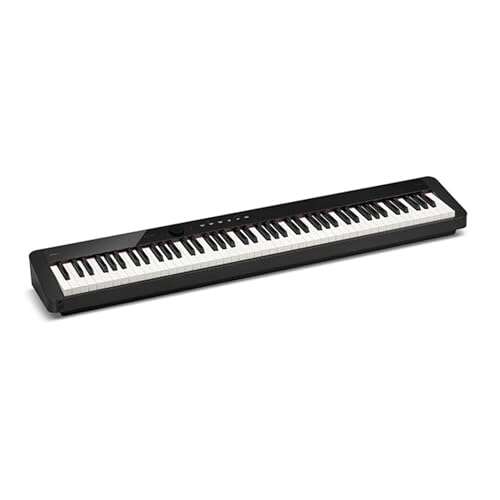
- Piano or keyboard: Use any full-size or 61-key instrument to start. Acoustic feel helps, but a good digital keyboard works fine.
- Sheet music or lead sheet: Get a reliable lead sheet with melody and chord symbols. That speeds up learning how to play Tiny Dancer piano.
- Metronome: Use it to lock tempo. The original tempo is moderate. A metronome helps you play steady.
- Headphones or good speakers: For listening and recording.
- Recording device: Record practice sessions to track progress and fix timing issues.
Spend a short warm-up time on scales and chord drills. That will help your fingers move cleanly when you learn how to play Tiny Dancer piano.

Step-by-step tutorial: how to play Tiny Dancer piano
- Listen to the original track repeatedly.
- Notice phrasing and tempo. Clap the rhythm. This builds a clear mental map.
- Learn the main melody by ear or from sheet music.
- Play the melody with your right hand only. Sing along if it helps.
- Add basic chord roots with your left hand.
- Start with simple block chords. Keep the left hand steady.
- Combine hands slowly.
- Use a metronome and play at 60–70% of original speed. Small gains matter.
- Add fills and voicings.
- Move to broken chords and arpeggios once the base is solid.
- Practice the chorus separately.
- The chorus carries the song. Nail this section rhythmically and emotionally.
- Work on pedal and dynamics.
- Use pedal sparingly at first. Shape phrases with soft and loud touches.
- Record and refine.
- Listen back. Fix tempo drift and note slurs.
Follow these steps to methodically learn how to play Tiny Dancer piano. Short, focused practice sessions work best.

Chords and voicings to start with
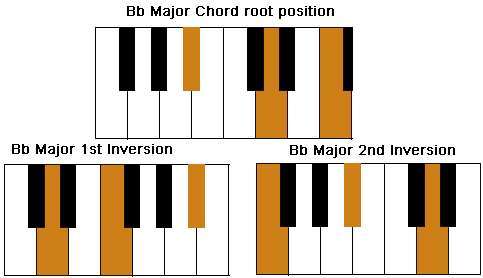
- Verse progression (simple): G – D/F# – Em – C
- Play the root in the left hand. Play a simple triad in the right hand.
- Pre‑chorus progression (simple): Am – D – G – Em
- Use open voicings to keep the sound clear.
- Chorus progression (simple): C – D – G – Em
- Add suspensions or 7th notes for warmth.
Left-hand ideas:
- Play root on beat one. Add fifth on beat three.
- Use octave roots for a fuller sound.
Right-hand approaches:
- Play melody as written.
- Add inner voices using chord tones on offbeats.
These voicings form the basis of how to play Tiny Dancer piano in a musical way.

Hands‑separate practice and rhythm tips
- Practice right hand alone for 10 minutes.
- Focus on melody and articulation.
- Practice left hand alone for 10 minutes.
- Keep rhythm steady and simple.
- Count out loud while combining hands.
- Counting keeps timing consistent when you learn how to play Tiny Dancer piano.
- Use slow practice with a metronome.
- Increase tempo in small steps.
- Clap or tap challenging rhythms.
- This isolates rhythm from notes.
I often have students mark tricky bars and loop them 10–15 times. That builds muscle memory fast.

Common mistakes and how to avoid them
- Rushing the chorus.
- Fix: Practice at a steady tempo and count.
- Overusing pedal.
- Fix: Use short pedal bursts and clear voicings.
- Ignoring voice leading.
- Fix: Connect chord tones smoothly between hands.
- Playing too loud throughout.
- Fix: Map dynamics for each phrase; play softer in verses.
I once recorded a full take that sounded cluttered because I pedaled too long. Shortening the pedal cleaned the mix instantly. Small adjustments like that make a big difference when you learn how to play Tiny Dancer piano.

Arranging tips: make it your own
- Simplified solo version:
- Keep melody clear. Use left-hand block chords.
- Rich solo arrangement:
- Add arpeggios and passing tones.
- Vocal backing:
- Reduce left-hand density to support a singer.
- Slow ballad version:
- Use more rubato and sparser chords.
When arranging, think about the song’s story. Keep the melody honest. Add flourishes that support the mood. This is how to play Tiny Dancer piano while staying true to the original feel.

Performance and recording tips
- Warm up 10–15 minutes before playing live.
- Run through the first verse and chorus.
- Balance hands with the room or mic.
- Make sure the melody sings above the accompaniment.
- Use a simple backing track if you want fuller sound.
- Play along to maintain timing.
- Practice transitions between sections.
- Smooth transitions keep the flow.
On stage, focus on the story. Tiny Dancer is emotional. Let the phrasing breathe and the audience in.

Resources and sheet music suggestions
- Lead sheets: Look for melody and chord symbols to start.
- Full piano arrangements: Choose graded versions for your skill level.
- Tutorials and slowed tracks: Use slowed versions to isolate tricky parts.
- Ear training apps: Help you pick out melody and harmony.
- Teacher lessons: A few private lessons will speed up progress.
Choose materials that match your level. A simple lead sheet is perfect for learning how to play Tiny Dancer piano if you plan to customize the arrangement.
Frequently Asked Questions of how to play tiny dancer piano
How hard is it to learn how to play Tiny Dancer piano?
It is moderately easy for players with basic chord and melody skills. Beginners can learn a simplified version quickly by focusing on melody and root chords.
Do I need sheet music to learn how to play Tiny Dancer piano?
No, but sheet music speeds learning. A lead sheet with melody and chords is very helpful for arranging your own version.
What tempo should I use when practicing how to play Tiny Dancer piano?
Start slower than the original and use a metronome. Gradually increase speed until you match the original tempo comfortably.
How do I make my rendition sound more like the original recording?
Focus on phrasing, dynamics, and subtle pedaling. Emphasize the melody in the right hand and keep left-hand patterns supportive.
Can I sing while I play how to play Tiny Dancer piano?
Yes. Simplify the left hand to block chords when singing. Practice hands separately before combining singing and playing.
Is it better to learn by ear or with sheet music for how to play Tiny Dancer piano?
Both methods work well. Learning by ear builds musical intuition. Sheet music helps with accuracy. Use both for best results.
Conclusion
You now have a clear, step‑by‑step path for how to play Tiny Dancer piano. Start with listening, learn the melody, add chords, and practice hands separately. Use short, focused practice sessions and record yourself to improve. Take one section at a time and be patient—consistency wins.
Try a simple run-through today. Pick a verse and the chorus, practice them slowly, and record a take. If you enjoyed this guide, leave a comment, subscribe for more piano tutorials, or share your progress.

Senior Music Reviewer
Alex Carter is a seasoned music reviewer with over a decade of experience in the world of sound and instruments. Passionate about helping musicians and enthusiasts make informed choices, he brings sharp insights and in-depth knowledge to every review. From classical instruments to modern gear, Alex combines technical expertise with a love for music to deliver content that resonates with readers.
As a Senior Music Reviewer and expert author on Tuneluma.com, Alex is dedicated to sharing honest evaluations, practical advice, and thoughtful commentary to guide readers in their musical journey.