How To Play See You Again On Piano: Easy Step-By-Step Guide
Learn how to play "See You Again" on piano with simple chords, a clear melody, and steady rhythm.
I’ve arranged a clear, step-by-step guide to help you learn how to play see you again on piano fast and musically. I have taught this song to students and played it at small gigs, so I know what helps you learn it cleanly. This article breaks the song into easy parts: chords, left-hand patterns, right-hand melody, practice tips, and expressive tricks. Read on to master how to play see you again on piano with confidence and feel.

Why "See You Again" is a great song to learn on piano
"See You Again" has a simple pop structure and a memorable melody. That makes it ideal for pianists who want a song that sounds full with just one player. The harmony repeats a lot. That makes learning chord shapes and transitions fast. If you want to learn how to play see you again on piano, you’ll find quick wins by focusing on the chorus first.

What you need to start playing
Start with a basic setup. Use a piano or weighted keyboard. A metronome or phone app helps a lot. Print or write a simple lead sheet with chords and melody. If you want to play along with the recording later, be ready to transpose or use a backing track.
Practical items:
- Piano or full-size keyboard for authentic feel.
- Metronome set to 80–90 BPM for practice.
- Simple sheet with chord symbols and melody notes in a comfortable key.
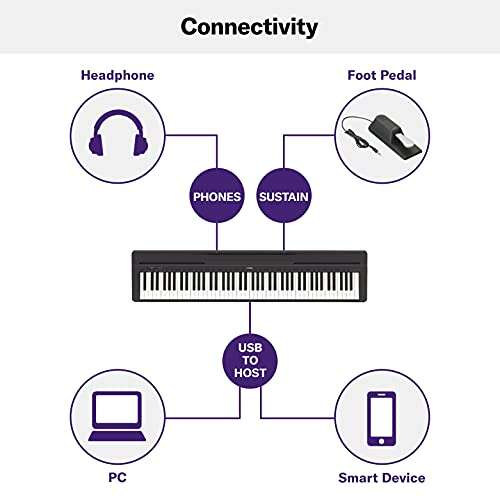
- Headphones or speakers if you use a backing track.
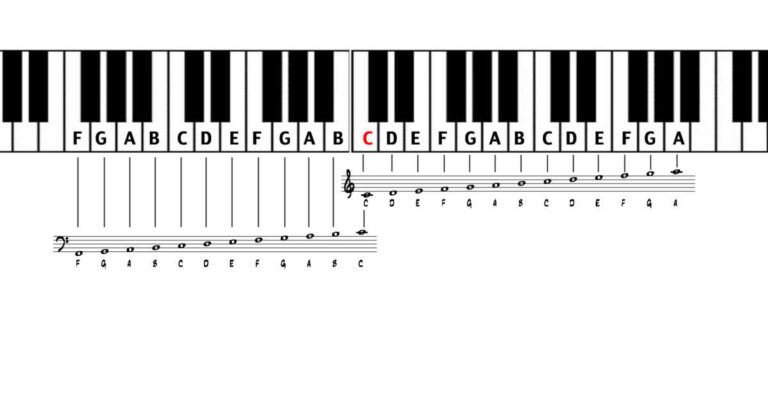
If you are learning how to play see you again on piano, choose a key that fits your hands and voice. I often recommend C major or A minor for beginners. These keys avoid many black keys and make patterns easier to see.

Simple arrangement (easy key) — guide to chords and melody
This arrangement is in the key of C major / A minor to keep fingers relaxed. I use a common pop progression that matches the song’s feel. Play the chords in the left hand and the melody in the right. This structure makes it easy to sing along or play solo.
Chord progression to use (verses and chorus feel):
- Am — F — C — G
This repeats and supports the vocal line well.
How to play the left hand:
- Play root notes on beats 1 and 3 for a simple pattern.
- Move to block chords for a fuller sound on chorus.
- Use octave bass on the low A for more depth.
Right-hand melody (simple start):
- Learn the melody by ear or from a lead sheet.
- Play single-note melody with clear rhythm.
- Add small fills only once the melody is steady.
If you want to sing while you play, keep the left-hand pattern steady. That makes it easier to breathe and phrase the vocal line. Practicing how to play see you again on piano this way helps you keep tempo and shape.

Step-by-step practice plan to learn the song
Follow these steps. Keep each practice session short and focused. I use this exact method with students and it works fast.
- Hands-separate practice
- Right hand: Learn the melody slowly.
- Left hand: Learn the chord shapes and root movements.
- Hands-together slowly
- Play at half tempo with metronome.
- Focus on clean chord changes and steady melody.
- Build speed and dynamics
- Increase tempo in 5 BPM steps.
- Add softer verses and stronger chorus.
- Add pedal and small fills
- Use pedal sparingly for clarity.
- Add melodic fills only after the core parts are solid.
- Play along with a backing track
- Start with slow backing tracks, then move to original speed.
This plan shows how to play see you again on piano from zero to performance-ready. I once taught a student who learned the chorus in three 20-minute sessions using these steps.

Left-hand patterns, voicings, and bass motion
Left-hand choices change the mood. Use these patterns to craft your version.
Basic options:
- Root only: Play the root of each chord on beats 1 and 3.
- Broken chord: Arpeggiate the chord as 1-2-3-4 for a flowing feel.
- Octave + chord: Play octave bass with a chord on beat 1 for power.
Voicing tips:
- Keep the top note of the chord near the melody to avoid clashing.
- Use close voicings in verses and open voicings in chorus.
- If you want the sound to match the recording, add the third and fifth above the bass.
Practicing these choices teaches you how to play see you again on piano with musical variety and taste.

Right-hand melody and small ornamentation
The melody is the heart of the song. Play it cleanly and in time.
How to learn melody:
- Start by singing the line to internalize rhythm.
- Play small phrases and repeat them slowly.
- Connect phrases once each part is smooth.
Ornamentation ideas:
- Add gentle grace notes before strong beats.
- Use small, tasteful runs only in transitions.
- Bend dynamics: softer in verse, fuller in chorus.
When I play see you again on piano live, I keep the melody simple and add a few soulful fills in the last chorus. That keeps listeners engaged without losing clarity.

Tips for expression, timing, and pedal use
Expression brings the song to life. Use timing and pedal to support mood.
Timing and groove:
- Count silently while you play.
- Use slight tempo push on emotional lines.
- Stay steady during chord changes.
Pedal use:
- Use sustain sparingly. Clear the pedal at chord changes.
- For lush chorus, hold pedal a bit longer, then lift to avoid blurring.
- If you play on a digital piano, adjust reverb for space.
Dynamics:
- Plan soft verses and louder chorus.
- Use crescendos into the chorus to build emotion.
These tips will help you play see you again on piano in a way that connects with listeners.

Common mistakes and how to fix them
Many players rush chord changes or muddle the melody. Fix these with focused drills.
Mistake fixes:
- Sloppy chord changes: Practice slow, isolate the troublesome switch.
- Muddy sound from too much pedal: Pedal less and clear it on chord changes.
- Melody lost under chords: Drop left-hand volume or simplify pattern.
Short drills:
- One-minute chord-change practice between songs.
- Right-hand melody looped for 5 minutes.
- Play with metronome at low volume and focus on beats.
Use these fixes to improve how you play see you again on piano quickly and reliably.
Personal tips from my experience
I learned to arrange pop songs for small shows by keeping parts simple. For "See You Again," that meant strong left-hand anchors and a clear right-hand melody. I recommend recording yourself. You’ll hear timing issues and small mistakes that you can fix. I also suggest learning only what you can play well. A simple, confident performance is better than a complex one played poorly.
One time, I simplified the bridge and that made the whole piece stronger. Don’t be afraid to cut parts that don’t serve the song. This approach will speed up how you play see you again on piano and make your performance more musical.
Sheet resources and next steps
Get a lead sheet or a simple arrangement. If you need to play with the recording, consider transposing. Use a phone app or keyboard transpose function. Once you master the basic arrangement, try these next steps.
Next steps:
- Learn the original key if you plan to sing with the recording.
- Practice performing from memory.
- Add a subtle intro and outro to frame your version.
These steps guide you from learning to performing how to play see you again on piano with confidence.
Frequently Asked Questions of how to play see you again on piano
What key is best for beginners to play "See You Again" on piano?
C major or A minor works well for beginners. These keys use simple finger patterns and fewer black keys.
Can I play along with the original recording without transposing?
You can, but the recording may be in a different key. Use a backing track shifted to your key or transpose your part to match the recording.
How long will it take to learn the song?
If you practice 15–30 minutes daily, you can learn a basic version in a few days. Full polish and expression may take a couple of weeks.
Should I use pedal when I play "See You Again" on piano?
Yes, but use it lightly. Clear the pedal at chord changes to prevent a muddy sound and hold it a bit more in the chorus for warmth.
Is it better to sing while playing or to focus on piano first?
Focus on the piano first to lock rhythm and chords. Add singing once the hands are comfortable to avoid timing issues.
How can I make my version sound like the original?
Work on the song’s phrasing, tempo, and dynamics. Add small vocal-style fills in the right hand and emphasize the chorus slightly more.
Do I need sheet music to learn the song?
Sheet music helps, but you can learn by ear using chord charts and melody lines. Many learners prefer a simple lead sheet for structure.
Conclusion
You can learn how to play see you again on piano with simple chords, steady rhythm, and focused practice. Start slow, practice hands separately, and build dynamics and expression over time. Record yourself and aim for clarity, not speed. Try the easy arrangement here, then tweak it to match your voice or taste. If this guide helped, practice one small section today and come back to refine it. Share your progress, subscribe for more tutorials, or leave a comment about what you’d like to learn next.

Senior Music Reviewer
Alex Carter is a seasoned music reviewer with over a decade of experience in the world of sound and instruments. Passionate about helping musicians and enthusiasts make informed choices, he brings sharp insights and in-depth knowledge to every review. From classical instruments to modern gear, Alex combines technical expertise with a love for music to deliver content that resonates with readers.
As a Senior Music Reviewer and expert author on Tuneluma.com, Alex is dedicated to sharing honest evaluations, practical advice, and thoughtful commentary to guide readers in their musical journey.