How To Play Creep On The Piano: Easy Step-By-Step
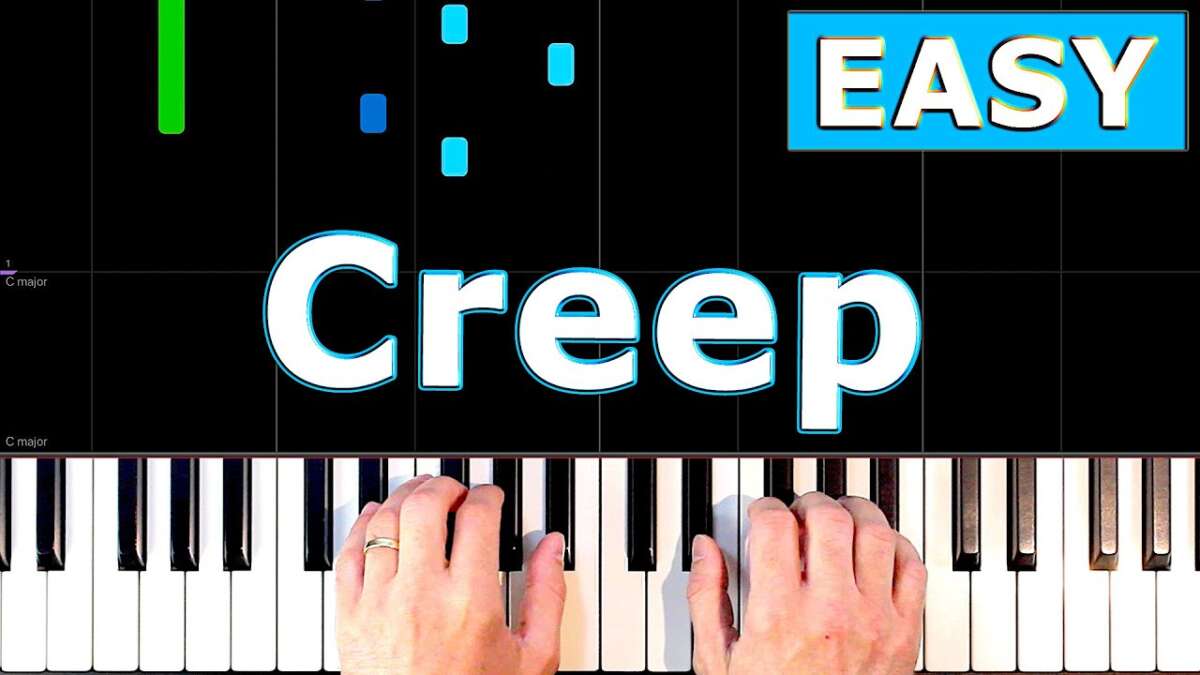
Learn the chord progression and simple arpeggios to play Creep on piano in one week.
I’ve taught and played this song for years, and I’ll walk you through exactly how to play creep on the piano from the first chord to a full, expressive arrangement. You’ll get clear steps, chord charts, voicing ideas, rhythmic patterns, and practice tips based on real performance experience. If you want to learn how to play creep on the piano cleanly and musically, this guide breaks it down so you can study efficiently and sound great.

Why "Creep" translates so well to piano
Creep has a simple, powerful chord progression and a haunting melody. That makes learning how to play creep on the piano straightforward and highly musical. The song’s core movement cycles around four chords, which you can voice in many ways to match moods from sparse to full. I’ve arranged it for quiet solo piano and for band rehearsals, and the same basic piano approach works in both settings.

Essential gear and skills to prepare
- Upright or digital piano with weighted keys. A full 88-key keyboard is ideal but not required.
- Basic chord knowledge. You should know major and minor triads and simple inversions.
- Comfortable fingering and light touch. Dynamics matter more than speed for how to play creep on the piano.
- A metronome or backing track to lock rhythm while you practice.
- Ear training basics. The song is easier to learn by ear once you recognize the progression.

Step-by-step tutorial: basic arrangement (beginner-friendly)
- Learn the chord progression
- The core progression is G–B–C–Cm (in many common versions). Learn this first in root position. Practicing the progression is the fastest way to get a feel for how to play creep on the piano.
- Practice the left-hand pattern
- Play single root notes or octaves on beats 1 and 3. Keep a steady pulse.
- Play the right-hand chords
- Play block chords or simple broken arpeggios following the melody. Start slow and keep fingers relaxed.
- Add the melody
- Learn the vocal line and play it on top while holding chord tones underneath. This gives the song focus.
- Put it together slowly
- Use a metronome at a slow tempo. Gradually raise speed only when both hands are steady.
I learned how to play creep on the piano by first singing the melody and then matching chords under it. That approach made the harmony make sense and helped me shape dynamics.

Chord voicings and useful substitutions
- Basic open voicings
- Left hand: root or root + fifth. Right hand: triad in first inversion to keep the top note low.
- Nice voicings for mood
- Use G–B/D#–C–Cm with D# in the bass (B/D#) for smoother transitions.
- Add color: 7ths and suspensions
- Try Gmaj7, B7, Cadd9, Cm7 to add emotional weight.
- Voice-leading tip
- Keep common tones between chords in the same fingers. This small move makes the progression sing and is central to how to play creep on the piano expressively.
In my stage arrangement, subtle 7th voicings let the song breathe and gave room for the singer.

Left-hand patterns, rhythm, and groove
- Simple pulse
- Play quarter-note roots or octaves. This supports the vocal line without crowding it.
- Arpeggiated pattern
- Use slow broken chords: play root, fifth, then top note. This is a classic piano ballad texture.
- Syncopation options
- Add light off-beat chords to create tension before the chorus. Small changes make the chorus hit harder.
- Dynamic shaping
- Start quiet in verses. Grow louder in pre-chorus and chorus. Dynamics are key to how to play creep on the piano with feeling.
When I play solo, I often mute the lower register in verse one. That keeps space for the voice and makes the louder chorus feel earned.

Melody placement and singing while you play
- Find the vocal range
- Play the melody in a register that matches the singer. If you’re singing, choose a comfortable key.
- Balance chords and melody
- Keep chords softer than the melody line. Use the sustain pedal sparingly to avoid blur.
- Doubling the vocal
- Thinly doubling the vocal with single-note piano can be powerful in intimate settings.
- Transposing tip
- If the original key is too low or high for your voice, transpose the progression. Transposing is a normal part of learning how to play creep on the piano for different singers.
I once transposed the song up a whole step for a female vocalist; simple voicing tweaks kept the arrangement intact.

Arranging variations: from minimal to full
- Minimal solo arrangement
- Focus on melody and sparse left-hand pulse. Use gentle pedaling.
- Full solo piano arrangement
- Use fuller left-hand patterns, added 7ths, and richer voicings in the chorus.
- Band arrangement tips
- Leave space for guitar and bass; play pads and fills rather than full chords the whole time.
- Adding an intro/outro
- Use the chorus progression as an intro. Slow rubato to start gives intimacy. These choices change how to play creep on the piano to fit the context.
I recommend creating two versions: a stripped intro for coffeehouse gigs and a fuller version for larger rooms.

Common mistakes and how to fix them
- Playing too loud all the time
- Fix: map dynamics—plan soft verses and louder choruses.
- Ignoring voice leading
- Fix: move inner voices by step; keep common tones.
- Overusing the pedal
- Fix: practice without the pedal, then add short pedaling on changes.
- Rushing the chorus
- Fix: practice with a metronome and mark tempo changes in the score.
- Not matching the singer
- Fix: rehearse with the vocalist and adjust key or voicings. These adjustments are essential when you learn how to play creep on the piano in a real gig.
Practice plan: 4-week roadmap to mastery
Week 1: Learn chords and basic left-hand pulse. Aim for clean changes and steady tempo.
Week 2: Add melody and simple right-hand arpeggios. Practice hands together slowly.
Week 3: Work dynamics, voicings, and pedal. Record short takes and listen back.
Week 4: Polish performance version. Practice with a singer or backing track and focus on feel.
Stick to short, focused practice sessions of 20 to 30 minutes. Consistent reps beat long, irregular practice when learning how to play creep on the piano.
Personal lessons and practical tips from experience
- Start simple and resist embellishing early. I used to overplay and lost the song’s mood.
- Listen to multiple covers. They show how others voice chords and shape the melody.
- Use small loops. Loop tough measures and practice them slow.
- Always check tuning and balance when playing live. A slightly bright piano can make voicings sound thin.
These habits helped me move from learning how to play creep on the piano to playing it confidently on stage.
Troubleshooting and further study
- If the melody feels buried, simplify the left hand.
- If transitions feel awkward, learn inversions and voice-leading moves.
- To deepen interpretation, study chord melody techniques and slow ballad accompaniment styles.
- For quick help, strip the song to melody plus root and then build back one layer at a time.
Learning how to play creep on the piano is a step-by-step process. Build layers slowly and keep the song’s mood at the center.
Frequently Asked Questions of how to play creep on the piano
How hard is it to learn how to play creep on the piano?
It’s moderately easy if you know basic chords and inversions. The song’s progression is simple, so focus on feel and dynamics.
What key should I play how to play creep on the piano in for singing?
Choose the key that fits the singer’s comfortable range. Many people transpose the song up or down by one or two steps.
Which chords are essential for how to play creep on the piano?
The core chords are G, B, C, and Cm in the common version. Learn these and add 7ths or suspensions for color.
Should I use the sustain pedal when learning how to play creep on the piano?
Start without the pedal to build clean finger technique. Add short pedaling later for warmth and sustain.
Can I arrange how to play creep on the piano for beginners?
Yes. Use root notes in the left hand and block chords or simple arpeggios in the right hand to make a beginner-friendly version.
How long will it take to play how to play creep on the piano smoothly?
With focused daily practice, expect basic competence within two weeks and a polished version in four weeks. Progress depends on prior piano experience.
Conclusion
You now have a clear, step-by-step plan to learn how to play creep on the piano, from basic chords to polished arrangements. Start slow, focus on voice leading and dynamics, and build your version layer by layer. Try the four-week roadmap, record yourself, and adjust voicings to match your voice or band. If this guide helped, practice one section today and come back with questions or a clip—I’d love to hear how you make the song your own.

Senior Music Reviewer
Alex Carter is a seasoned music reviewer with over a decade of experience in the world of sound and instruments. Passionate about helping musicians and enthusiasts make informed choices, he brings sharp insights and in-depth knowledge to every review. From classical instruments to modern gear, Alex combines technical expertise with a love for music to deliver content that resonates with readers.
As a Senior Music Reviewer and expert author on Tuneluma.com, Alex is dedicated to sharing honest evaluations, practical advice, and thoughtful commentary to guide readers in their musical journey.