How To Play Gospel Piano: Simple Steps For Beginners
Gospel piano blends soulful chords, syncopated rhythms, and joyful improvisation you can learn.
I have played and taught gospel piano for years, and I’ll show you clear steps to build chops, feel, and confidence. This guide on how to play gospel piano covers fundamentals, left-hand patterns, right-hand fills, chord voicings, rhythm, gear, and real-world tips from my own stage and church work. Read on to get practical examples, practice plans, and fast wins you can use today.
Why gospel piano matters and how to start
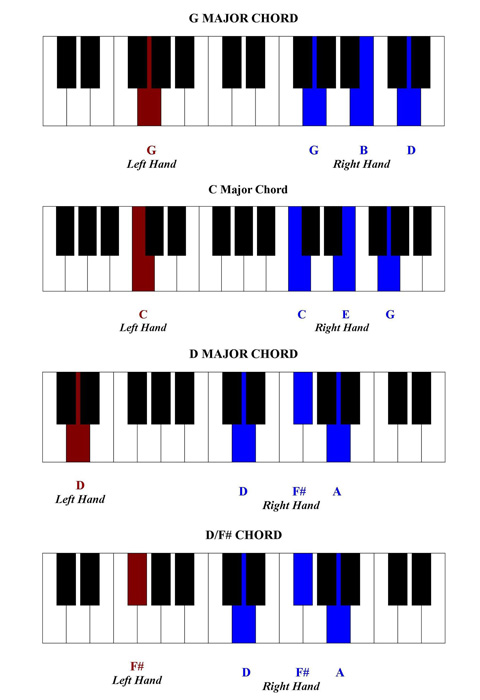
Gospel piano adds life to worship and lifts a song beyond the notes. Learning how to play gospel piano gives you tools to support singers, shape worship, and improvise with freedom.
Start with simple chords and feel before chasing flashy runs. I learned this the hard way when I tried speed before steadiness. Build a groove first; everything else grows from that.
Essential theory for gospel piano
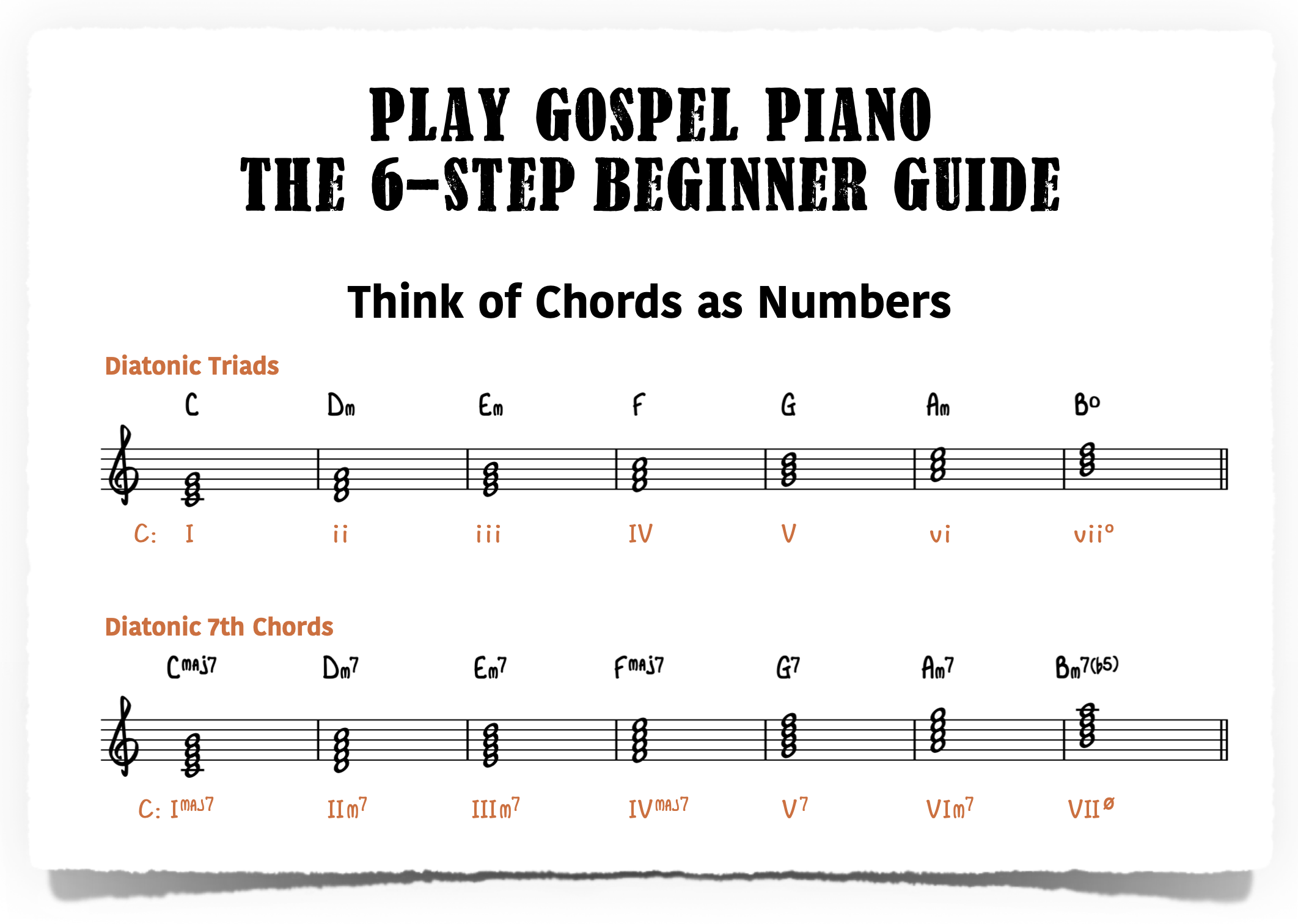
Gospel players use common-sense theory. Learn scales, triads, sevenths, and the major and minor key centers. Know these basics and you can follow charts and improvise.
- Learn the major scale and its modes. This helps with melodic choices.
- Master triads and four-note seventh chords. These are the building blocks of gospel voicings.
- Practice the circle of fifths to understand key changes and common progressions.
How to play gospel piano starts with these units of harmony. I recommend daily short drills on scales and seventh chords for five to ten minutes. This keeps the finger memory alive without burning you out.
Left-hand patterns: the heartbeat of gospel piano
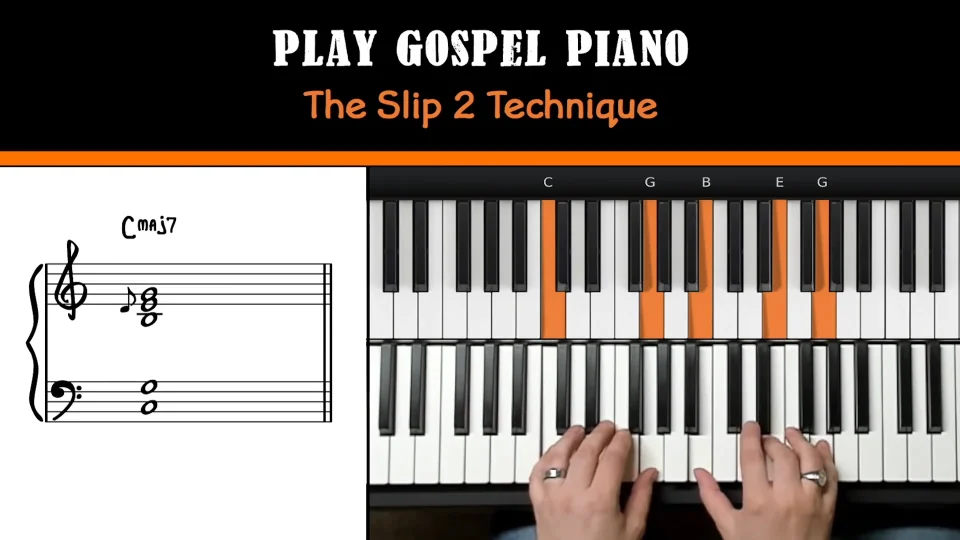
The left hand creates motion and support. A solid left hand makes your right hand sound free. Focus on these patterns first.
- Root-to-fifth patterns. Play the root then the fifth, with or without octaves. This is simple and musical.
- Walking bass lines. Move stepwise or by thirds to connect chords smoothly.
- Stride and gospel boogie. Alternate bass notes and chords for an energetic feel.
Practice each pattern slowly with a metronome. I used to record my left hand alone to hear the pocket better. That helped me lock the tempo in worship settings.
Right-hand techniques: fills, riffs, and improvisation
The right hand provides melody, color, and response. Learn tasteful fills before long solos.
- Learn short licks and riffs that fit many chords. Keep them rhythmic.
- Use pentatonic and major scale fragments for safe improvisation.
- Add grace notes, slides, and turnarounds to make phrases sing.
Start by matching fills to the left-hand pattern. When you practice how to play gospel piano, spend time trading a phrase between hands. This builds coordination and taste.

Common gospel chord voicings and inversions
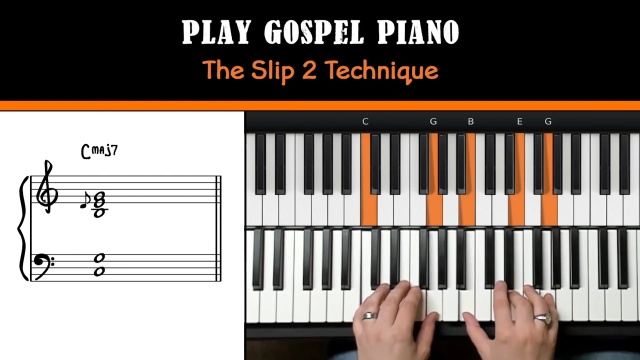
Voicings give gospel its lush sound. Use stacked thirds, added tones, and open voicings.
- 1-3-5-7 shapes for full harmony. These are useful for ballads and hymns.
- Drop-2 and spread voicings to open the harmony. They sit well under a choir.
- Add9, sus2, and sus4 to add color without clashing with vocals.
Learn inversions to keep your left hand close to the right. I often use a third inversion when the singer needs a lower support. This keeps transitions smooth and musical.
Typical gospel progressions and how to use them
Certain progressions repeat across many songs. Memorize and practice them in multiple keys.
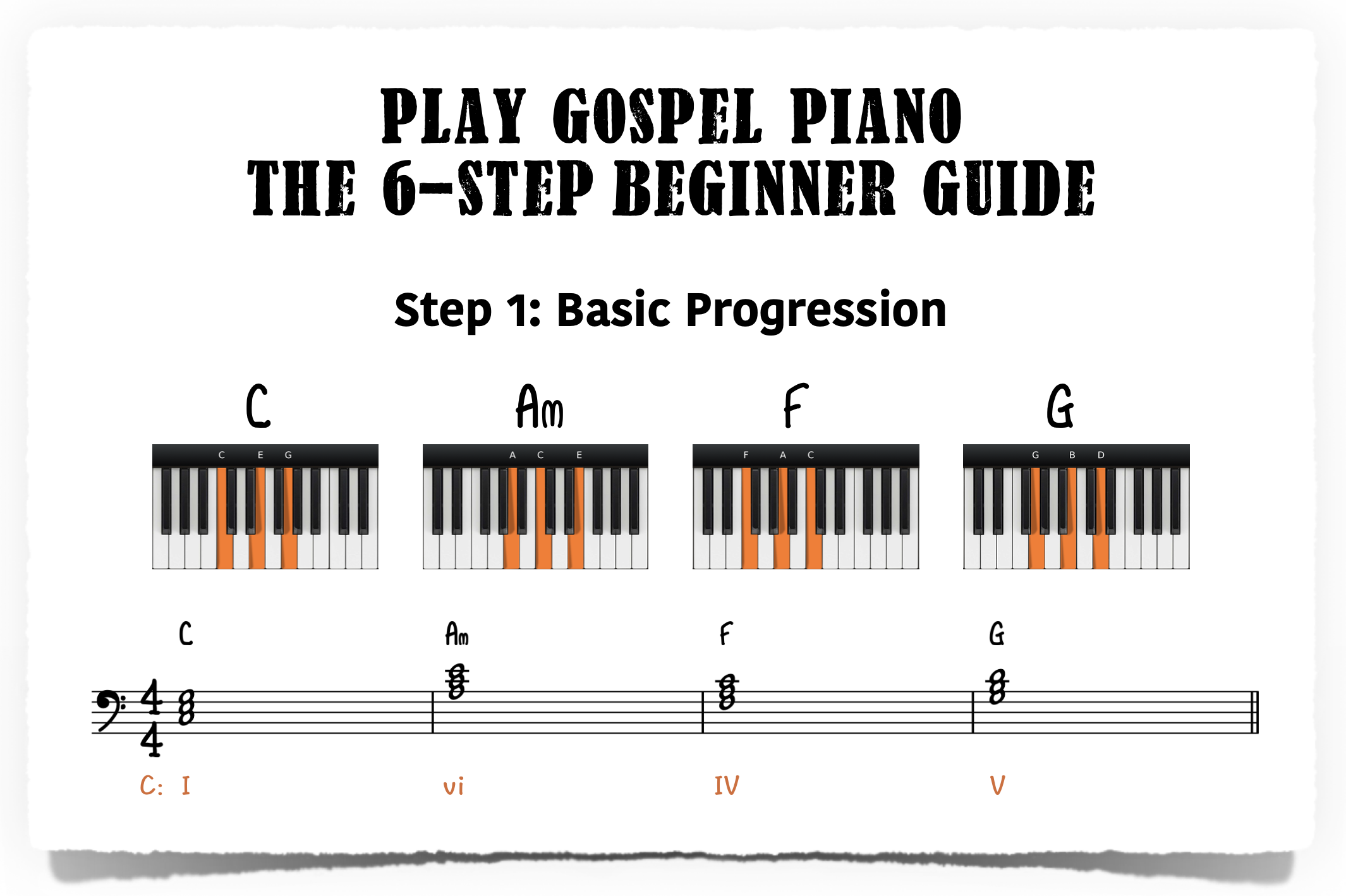
- I–vi–IV–V (1-6-4-5) — great for verses and simple worship tunes.
- I–IV–V–I with passing chords — useful for call-and-response.
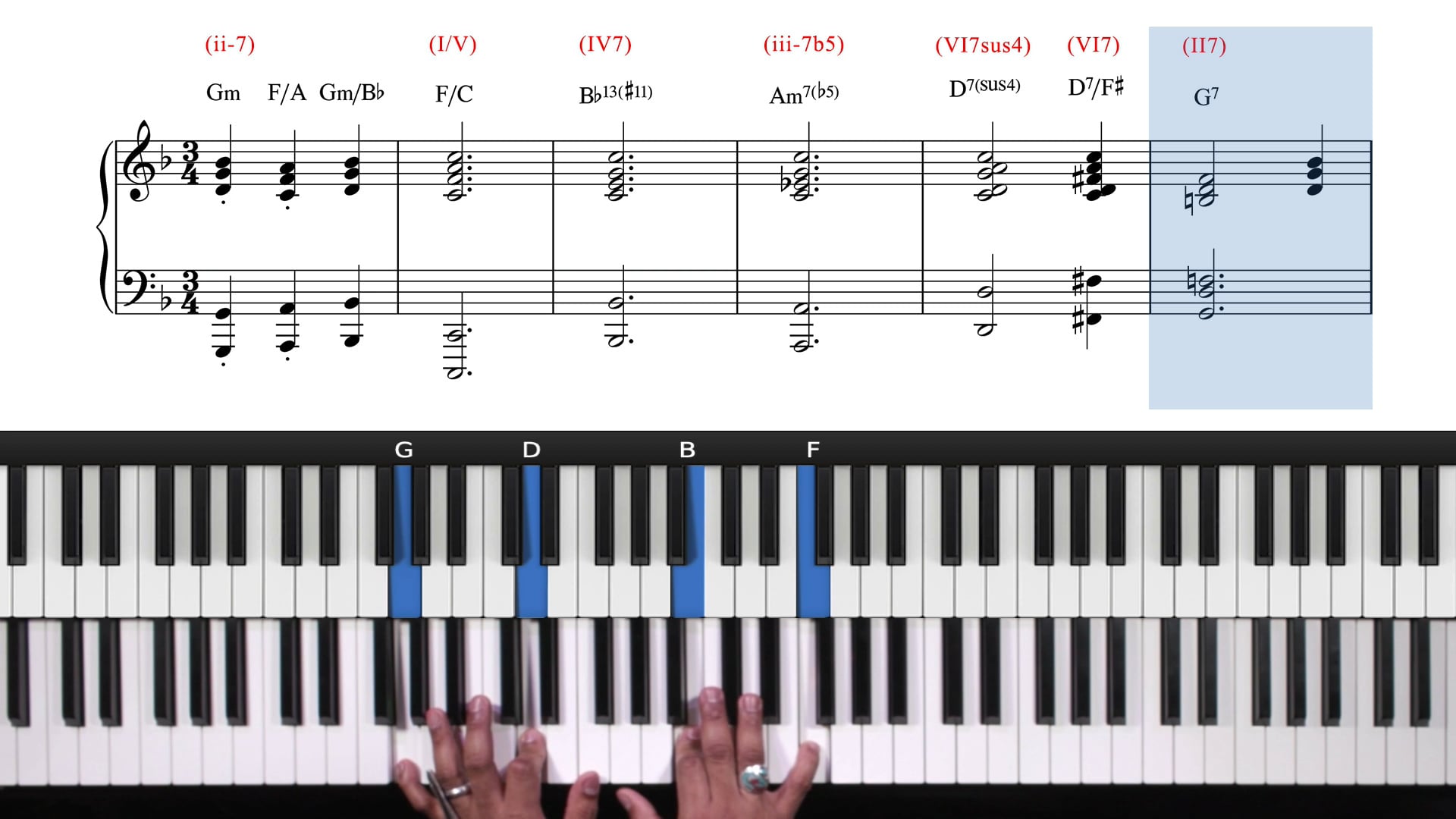
- II–V–I and turnarounds with diminished passing chords — for jazzy gospel flavor.
Practice these progressions with different rhythms and voicings. Knowing how to play gospel piano means you can reharmonize a hymn without stopping the band.

Rhythm, groove, and pocket: feel over speed
Feel matters most. Play in the pocket and let the band breathe. Use syncopation and ghost notes for gospel flair.
- Count and feel the one and three for slower songs.
- Accentuate the off-beats for upbeat praise songs.
- Use short staccato chords to push the band, and long sustained voicings for support.
I learned to listen more than I played. When I matched the drummer’s ride pattern, the whole team tightened. That’s a key part of how to play gospel piano well.
Gospel licks, runs, and tasteful embellishments
Small phrases add personality. Practice licks and short runs you can call on.
- Memorize a few five- to eight-note licks in each key.
- Use chromatic approach notes to connect chord tones.
- Keep dynamics in mind; a loud run can steal the song.
When I started, I overplayed. I now pick one strong lick per chorus and leave space. That restraint often lifts the song higher than constant runs.

Practice plan: structured steps to improve fast
Consistency beats marathon sessions. Use a focused routine each day.
- Warm-up scales and finger exercises (5–10 minutes).
- Left-hand pattern practice with metronome (10 minutes).
- Chord voicing drills in two keys (10 minutes).
- Licks and improvisation practice (10 minutes).
- Play-along with a hymn or backing track (10–15 minutes).
Repeat this five days a week. Track progress by recording weekly. I saw real gains within eight weeks using this plan.
Playing in a worship service or band
Knowing how to play gospel piano in a live setting requires listening and humility. Support the song, follow the leader, and lead when asked.
- Learn common keys for worship and have quick transposition skills.
- Use a soft touch for verses and fuller voicings for choruses.
- Communicate with the worship leader about dynamics and changes.
I once rescued a song by holding a steady left-hand pattern while the rest of the band changed arrangement. That kind of calm support is the hallmark of a good gospel pianist.
Gear, sound, and setup tips
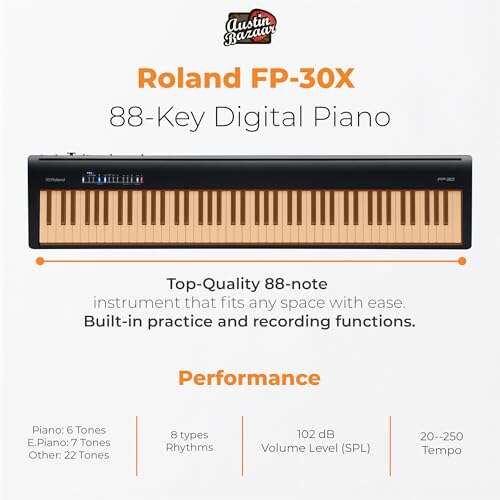
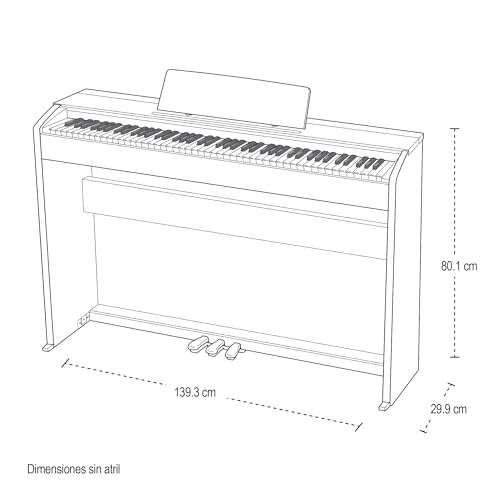
You don’t need expensive gear, but the right setup helps. Focus on sound that supports voices.
- Use a keyboard with split or layer functions for quick changes.
- Choose warm piano or electric piano patches for church settings.
- Keep stage volume balanced so singers stay comfortable.
A small investment in a good sustain pedal and a reliable keyboard stand improves your confidence. My simplest gigs often sounded best because I used the right patch and less effects.
Advanced tips: reharmonization and arranging
Once basics are solid, explore reharmonization and arrangement. This elevates your playing from accompaniment to artistry.
- Substitute chords with relative minors, secondary dominants, or tritone changes.
- Use modal interchange to borrow colors from parallel keys.
- Write intros, interludes, and endings that connect parts smoothly.
I recommend trying one reharmonization per song in rehearsal. Test it quietly and adjust to what serves the congregation. This is how to play gospel piano with taste and skill.
Frequently Asked Questions of how to play gospel piano
What is the first thing I should learn to play gospel piano?
Start with basic chords and a steady left-hand pattern. That foundation lets you support singers and feel the groove quickly.
How long does it take to sound good at gospel piano?
With focused daily practice, you can sound useful in 3–6 months. Mastery takes years, but useful skills come fast with consistent work.
Can I learn gospel piano without formal lessons?
Yes. Use quality tutorials, backing tracks, and consistent practice. Still, occasional lessons with an experienced teacher speed progress.
What scales are most useful for gospel piano?
Major, minor pentatonic, and blues scales are very handy. They work well for common gospel licks and improvisation.
How do I avoid overplaying during worship?
Listen, play with dynamics, and use space. Pick a few strong fills and resist filling every silence.
Conclusion
You can learn how to play gospel piano by building a steady left hand, tasteful right-hand fills, and strong voicing knowledge. Start small, practice a short routine, and focus on feel and support. Try the practice plan for a month, record yourself, and play with others to speed growth. If this guide helped, subscribe, share your progress in the comments, or try one new lick in worship this week.

Senior Music Reviewer
Alex Carter is a seasoned music reviewer with over a decade of experience in the world of sound and instruments. Passionate about helping musicians and enthusiasts make informed choices, he brings sharp insights and in-depth knowledge to every review. From classical instruments to modern gear, Alex combines technical expertise with a love for music to deliver content that resonates with readers.
As a Senior Music Reviewer and expert author on Tuneluma.com, Alex is dedicated to sharing honest evaluations, practical advice, and thoughtful commentary to guide readers in their musical journey.