Is Electric Guitar Easy To Learn: Quick Guide For Beginners
Yes — electric guitar is relatively easy to start with, given the right tools and practice.
I’ve taught and played electric guitar for years, and I’ll be direct: is electric guitar easy to learn depends on how you define “easy.” This guide breaks down the real factors that make the instrument approachable or challenging. I’ll share clear steps, realistic timelines, common pitfalls, and practical tips from my own teaching experience so you can decide whether learning electric guitar fits your goals and schedule. Read on to get a simple, proven path forward.

Why many people find the electric guitar easy to learn
Electric guitars have friendlier physical and sound traits for beginners. Strings are usually lighter than on acoustic guitars, and a good amplifier makes even rough notes sound pleasing. With basic chords, riffs, and power chords, you can play many rock, pop, and blues songs quickly. That immediate reward keeps learners motivated and proves that is electric guitar easy to learn for lots of beginners.
My teaching experience shows that fast feedback and fun songs matter more than perfect technique at the start. Short practice sessions focused on small wins build confidence. When students feel progress early, they practice more and improve faster.

Key factors that influence whether is electric guitar easy to learn
Physical comfort
- Neck shape and string height affect hand ease. Lower action and a slim neck make fretting easier.
- Proper posture and hand position reduce soreness and speed skill building.
Instrument quality and setup
- A well-set-up guitar has low action and stays in tune, which lowers frustration.
- Cheap, poorly set-up instruments can make learning feel much harder.
Instruction and learning method
- A good teacher or structured plan shortens the learning curve.
- Self-teaching works for motivated people, but risks bad habits without feedback.
Practice consistency
- Short daily sessions beat occasional long ones. Daily reps build muscle memory.
- Goals and a simple routine keep practice focused and effective.
Mindset and patience
- Expect sore fingers and slow progress at first. That’s normal.
- If you accept gradual improvement, you’ll find is electric guitar easy to learn over time.
How long does it take to learn the basics?
If your question is is electric guitar easy to learn in a matter of weeks, the short answer is yes for basic songs. With 15–30 minutes of focused practice per day, many beginners:
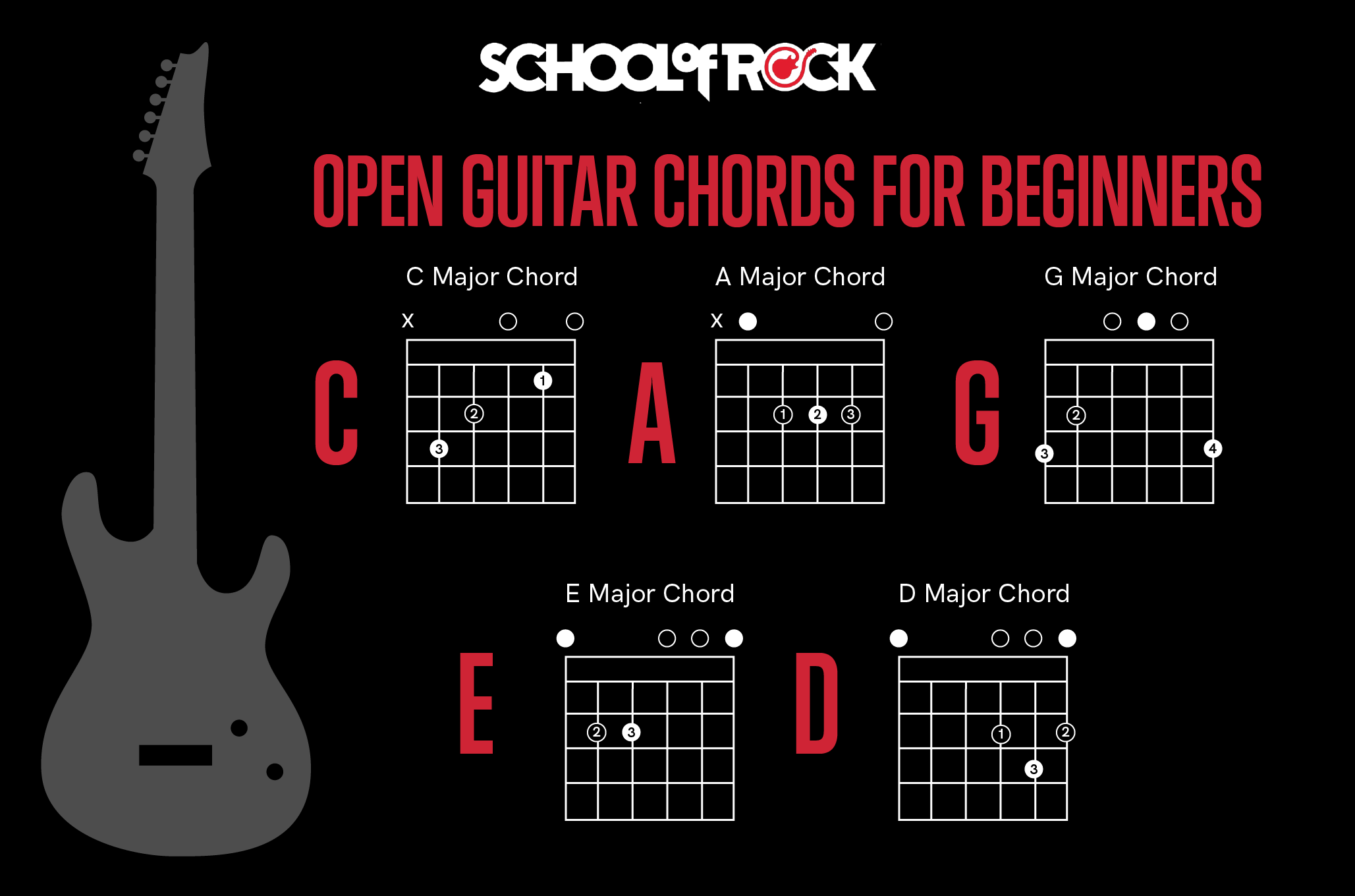
- Learn basic open chords and strumming in 2–4 weeks
- Play simple songs and power chords in 4–8 weeks
- Build comfortable rhythm and single-note riffs in 3–6 months
True fluency—smooth changes, soloing skills, timing, and tone control—takes longer. Expect steady improvement over years. Consistent practice beats long practice bursts. This timeline shows that is electric guitar easy to learn for beginners who practice smartly.

A simple 8-week starter plan to prove is electric guitar easy to learn
Week 1–2: Setup and fundamentals
- Get a basic setup: comfortable string height, tuned guitar, and a small amp or headphone interface.
- Learn how to hold the guitar, position the hands, and read tablature.
Week 3–4: Chords and rhythm
- Practice 4–6 open chords daily and simple down-up strumming patterns.
- Switch chords slowly and increase speed with a metronome.
Week 5–6: Riffs and power chords
- Learn 2–3 simple riffs and basic power chords used in rock and pop.
- Practice rhythm and riff transitions.
Week 7–8: Putting songs together
- Learn three short songs combining chords and riffs.
- Record yourself and spot areas for improvement.
This plan shows that is electric guitar easy to learn when you follow a clear, achievable routine.

Common beginner mistakes and how to avoid them
Skipping setup and tuning
- Mistake: Playing on an out-of-tune or poorly set guitar.
- Fix: Tune before every session and get a basic setup.
Trying to learn too fast
- Mistake: Racing through songs without clean technique.
- Fix: Slow down, use a metronome, and focus on clean chord changes.
Neglecting rhythm and timing
- Mistake: Playing notes out of time.
- Fix: Practice with a metronome and tap your foot.
Ignoring ear training
- Mistake: Relying only on tabs and chord charts.
- Fix: Learn simple ear exercises to match pitch and melody.
Over-practicing without breaks
- Mistake: Sore wrists and burnout.
- Fix: Use short, focused sessions and rest when needed.
These are common reasons people doubt if electric guitar easy to learn. Avoid them and progress becomes steady.

Choosing your first electric guitar and gear
Guitar options
- Beginner-friendly guitars: Look for a comfortable neck, low action, and reliable tuning machines.
- Body type: Solid-body guitars are versatile and forgiving for beginners.
Essential gear
- Small practice amp or headphone interface for quiet practice.
- A tuner, a few picks, a strap, and a cable.
Optional helpful extras
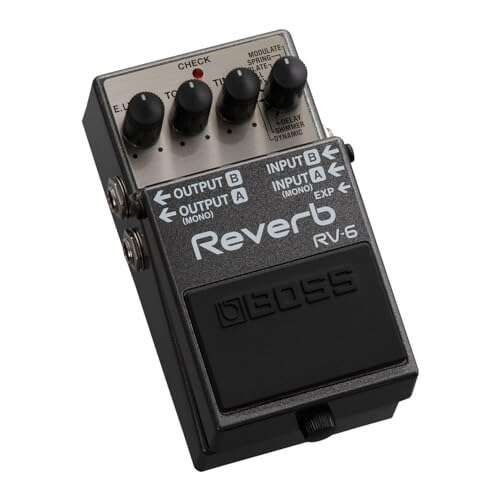
- A simple multi-effects pedal or a small amp with built-in effects helps you explore tone.
- A capo and spare strings are handy.
A good starter setup reduces friction and proves that is electric guitar easy to learn by making practice pleasant.

Practice routines and exercises that actually work
Daily warm-up (5–10 minutes)
- Finger stretches, chromatic runs, and single-string picking.
Chord change drill (10–15 minutes)
- Practice two-chord changes for three minutes, rest, then add a new pair.
Riff/song practice (15–20 minutes)
- Work on one riff and one song section, slow to fast, with a metronome.
Cool down and reflection (5 minutes)
- Record a short clip, note progress, and set goals for next session.
Consistency and clear goals make is electric guitar easy to learn for most people. Small, frequent practice wins.

Learning paths: teacher, online lessons, or self-taught?
Private teacher
- Pros: Tailored feedback, faster correction of bad habits.
- Cons: Higher cost and scheduling needs.
Online lessons and apps
- Pros: Flexible and often affordable. Great structure for beginners.
- Cons: Less personalized feedback.
Self-taught with books and tabs
- Pros: Cheapest and flexible.
- Cons: Risk of developing bad technique and slower progress.
Each path can answer is electric guitar easy to learn depending on your discipline and resources. Mix methods for best results.
My personal experience: mistakes I made and lessons I learned
When I first learned, I bought the cheapest guitar I could find. It sounded bad and I almost quit. After investing in a proper setup, my progress jumped. Later, I focused too much on speed and ignored timing. Fixing that with metronome practice made my playing cleaner and more musical.
Those experiences taught me that is electric guitar easy to learn when you pair the right gear with focused practice. Small, consistent changes matter more than long practice marathons.
Frequently Asked Questions of is electric guitar easy to learn
How long until I can play a full song?
With 15–30 minutes of daily practice, most beginners can play a simple song within 4–8 weeks. Song complexity affects the timeline, but basic chord songs come quickly.
Do I need lessons to learn electric guitar?
No, lessons are not required, but a good teacher speeds progress and prevents bad habits. Many learners also succeed with structured online courses and consistent practice.
Are electric guitars harder than acoustic guitars for beginners?
Electric guitars are often easier physically because of lighter strings and lower action. However, musical styles and goals may make one type better suited for you.
Will I need a lot of gear to start?
You only need a guitar, tuner, cable, picks, and a small amp or headphone interface to begin. Extras like pedals and effects can be added as you grow.
Can adults learn electric guitar as easily as kids?
Yes. Adults often have better focus and patience, which helps. Consistent practice and good instruction are the keys, regardless of age.
Is finger pain normal when starting out?
Yes, finger soreness is normal in the first weeks as calluses form. Short daily practice and gradual increases prevent excessive pain and help build resilience.
Conclusion
Electric guitar is approachable when you choose a comfortable setup, follow a clear practice plan, and get regular feedback. Small, consistent steps lead to early wins and lasting progress. If you want to test this, pick a simple song, practice 20 minutes a day for two weeks, and notice the change. Share your progress, ask questions, or subscribe for more tips — I’d love to hear how your guitar journey unfolds.

Senior Music Reviewer
Alex Carter is a seasoned music reviewer with over a decade of experience in the world of sound and instruments. Passionate about helping musicians and enthusiasts make informed choices, he brings sharp insights and in-depth knowledge to every review. From classical instruments to modern gear, Alex combines technical expertise with a love for music to deliver content that resonates with readers.
As a Senior Music Reviewer and expert author on Tuneluma.com, Alex is dedicated to sharing honest evaluations, practical advice, and thoughtful commentary to guide readers in their musical journey.