How To Play Over The Rainbow On Piano: Easy Step-By-Step
Play "Over the Rainbow" on piano with a simple melody, four basic chords, and gentle left-hand support.
I teach piano and arrange songs for students and performances. I will show you exactly how to play over the rainbow on piano with clear steps, easy chord shapes, and expressive tips. This guide blends my teaching experience with practical examples. Read on to learn a step-by-step method, common mistakes to avoid, and ways to make the song your own.

Why "Over the Rainbow" is perfect for piano
"Over the Rainbow" is simple and melodic. The tune sits well on the piano. Its chord progression is familiar to most players. That makes it ideal for learners and for deeper musical arrangements. If you want to learn how to play over the rainbow on piano, this song gives fast wins and room to grow.

Basic chords and the melody you must know
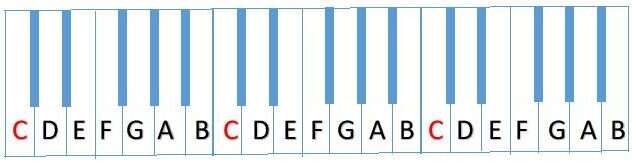
Start with four key chords that cover most of the song: C, Am, F, and G. These chords are easy to play and sound full when you add a simple left-hand pattern. Learn the melody with one finger first. Then sing as you play to lock in the phrase shapes. If you want to play how to play over the rainbow on piano well, focus on these core chords and the melody line.
Step-by-step method for beginners
- Learn the melody slowly. Play each note with a steady beat.
- Learn the chord shapes next. Practice moving between C, Am, F, and G.
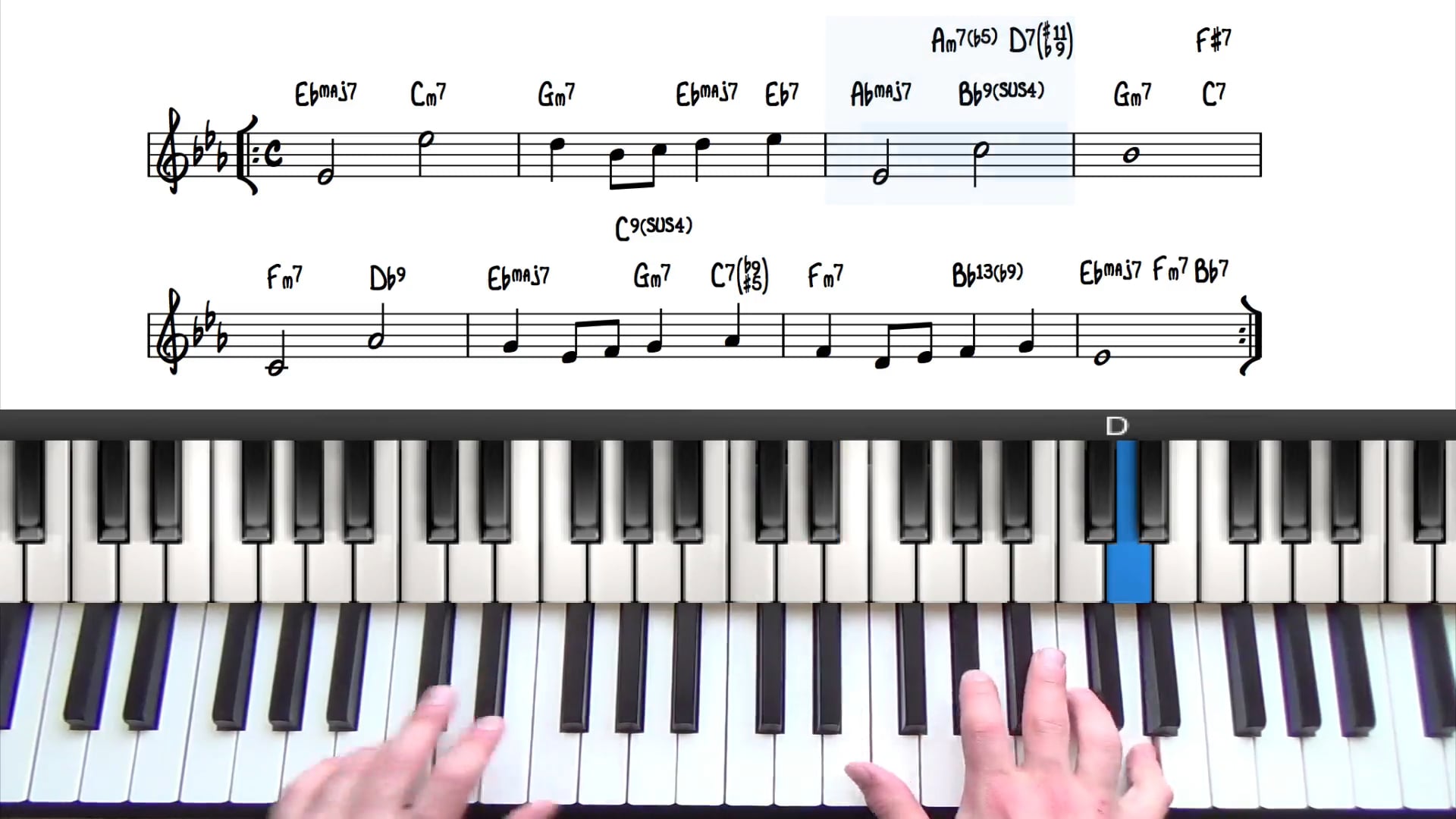
- Combine melody and chords. Play melody with the right hand and simple block chords with the left.
- Add a gentle left-hand pattern. Use root and fifth, or simple broken chords.
- Increase speed only when you feel steady and relaxed.
Practicing this way makes how to play over the rainbow on piano feel natural fast. Start slow. Build muscle memory.

Left hand voicings and right hand phrasing
For a soft ballad feel, use broken left-hand patterns. Play the root on beat one and the fifth on beat three. Use smooth right-hand legato for the melody. Use small hand shifts instead of big jumps. These choices help your version of how to play over the rainbow on piano sound warm and singing.
Simple arrangement to follow (bars and structure)
- Intro: play two measures of the main chord progression.
- Verse: melody starts on the third bar. Keep chords steady.
- Bridge: change to minor or add a passing chord for contrast.
- Ending: return to the main progression and end on a soft C or a gentle roll.
This map helps you remember how to play over the rainbow on piano in a clear, repeatable layout. Use it to make practice sessions focused.

Advanced voicings and jazz touches
If you want a richer sound, add these options:
- Replace C with Cmaj7 for a dreamy color.
- Use Am7 instead of Am for smoothness.
- Add passing diminished or secondary dominant chords to lead into the next chord.
These ideas let you expand how to play over the rainbow on piano into jazz or pop styles. Try one change at a time so you keep control of the melody.
Practice plan and common mistakes to avoid
Practice plan:
- Week 1: Learn melody and basic chords. Ten minutes daily.
- Week 2: Combine hands and work on timing. Fifteen minutes daily.
- Week 3: Add expression, voicings, and a simple arrangement. Twenty minutes daily.
Common mistakes:
- Rushing the melody. Slow practice fixes this.
- Ignoring the left hand. Even simple patterns make a big difference.
- Adding too many fancy chords too soon. Keep the melody clear.
Following this plan helps you master how to play over the rainbow on piano without frustration.
My personal tips from teaching and performing
I once taught a nervous adult to play how to play over the rainbow on piano in three short lessons. We started with hum-and-play exercises. That built confidence faster than sight-reading alone. Another tip: record your practice. Listening back shows small timing issues that you can fix. These simple moves changed my students’ progress quickly.
Resources and sheet music suggestions
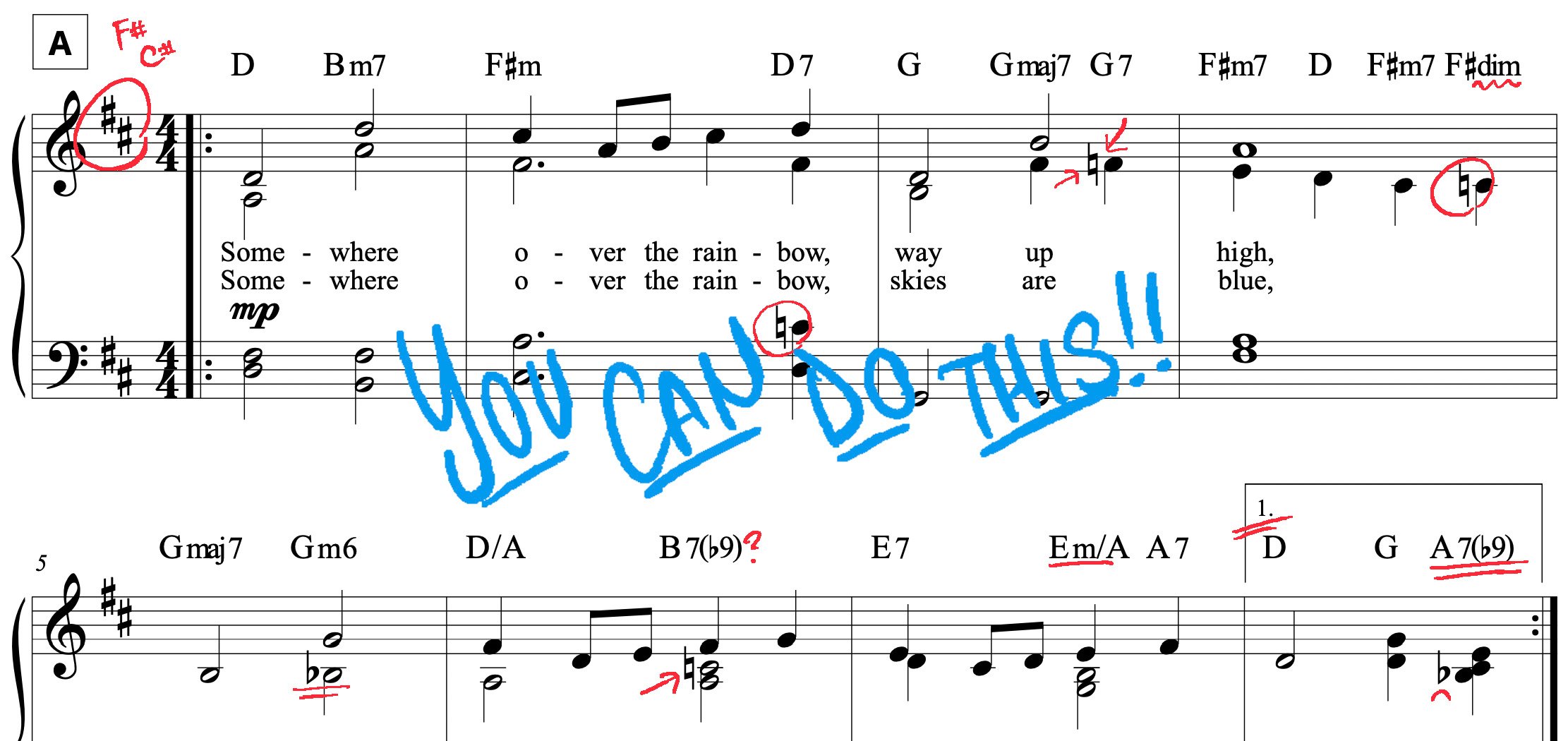
Look for lead sheets that show melody and chord symbols. Use easy piano arrangements at first. Backing tracks help you play with a steady tempo. If you want to expand, get a fake book or a jazz real book for alternative voicings. These tools support your study of how to play over the rainbow on piano and keep practice varied and fun.
Frequently Asked Questions of how to play over the rainbow on piano
How hard is it to learn how to play over the rainbow on piano?
This song is beginner friendly. With short daily practice, most players learn a basic version in a week. Advanced arrangements take longer.
What key is "Over the Rainbow" usually played in on piano?
It is often played in C major for ease. Performers may choose other keys to suit a singer. Transpose if needed for vocal comfort.
Should I start with melody or chords first when learning how to play over the rainbow on piano?
Start with the melody. It helps you hear the song. Add chords only when the melody feels steady.
How can I make my version of how to play over the rainbow on piano more expressive?
Use gentle rubato and dynamic contrast. Soften the left hand and let the right hand sing. Small pauses at phrase ends add emotion.
Can I arrange how to play over the rainbow on piano in a jazz style?
Yes. Use seventh chords and passing diminished chords. Add swing or syncopation and explore voicings gradually.
Conclusion
You now have a clear path to learning how to play over the rainbow on piano. Start with melody and basic chords. Practice slowly and add voicings as you gain confidence. Use the practice plan and the tips to build musicality. Try one new idea each week and record yourself to track progress. Share your version, join a class, or leave a comment about your experience — I’d love to hear how your arrangement develops.

Senior Music Reviewer
Alex Carter is a seasoned music reviewer with over a decade of experience in the world of sound and instruments. Passionate about helping musicians and enthusiasts make informed choices, he brings sharp insights and in-depth knowledge to every review. From classical instruments to modern gear, Alex combines technical expertise with a love for music to deliver content that resonates with readers.
As a Senior Music Reviewer and expert author on Tuneluma.com, Alex is dedicated to sharing honest evaluations, practical advice, and thoughtful commentary to guide readers in their musical journey.