How To Play For Elise On Piano Easy: Simple Step-By-Step
Play Für Elise on piano easily by mastering the opening motif, hands separately, then slow practice.
I’ve taught many beginners how to play for elise on piano easy, and this guide gives a clear, step-by-step path you can follow today. I combine practical teaching tips, simple fingerings, and practice plans that work. Read on and you’ll learn an easy version, common traps, and how to turn slow practice into a confident performance of how to play for elise on piano easy.
Why Für Elise is perfect for beginners
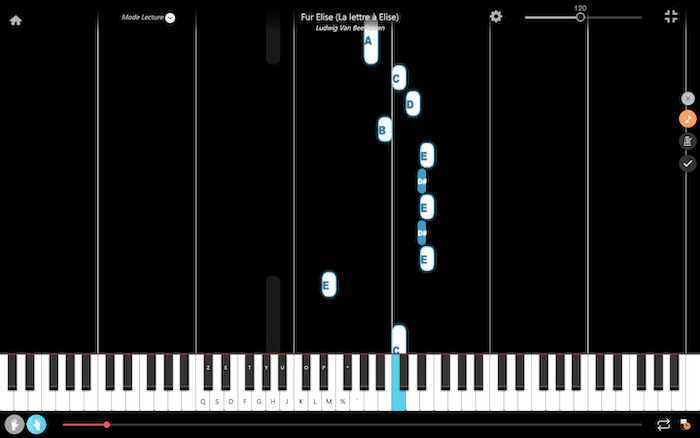
Für Elise is short, memorable, and built from repeating patterns. That makes it ideal for people learning how to play for elise on piano easy. The opening motif repeats with small changes, so once you learn the first phrase, you can adapt it. I’ll show you how to simplify the left hand and keep the melody clear while you build speed.
What you need before you start
Start with the basics. Learn these items first so learning how to play for elise on piano easy is painless.
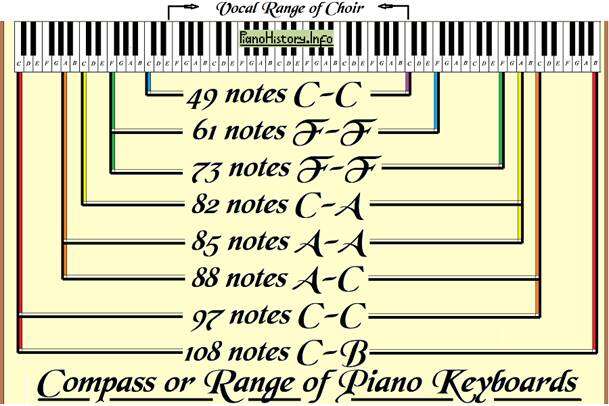
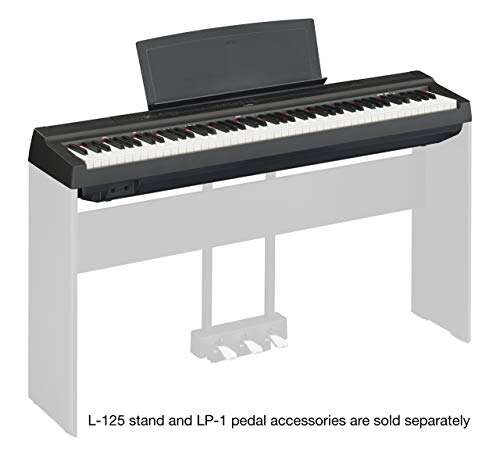
- A piano or keyboard with full or at least 61 keys.
- A simple, printed easy arrangement or simplified sheet music.
- A metronome or metronome app to keep slow steady time.
- Comfortable posture and relaxed hands—this is often overlooked.
I recommend a keyboard with touch sensitivity if possible. That helps you listen to dynamics while practicing how to play for elise on piano easy.
Step-by-step easy tutorial for the opening (most important part)
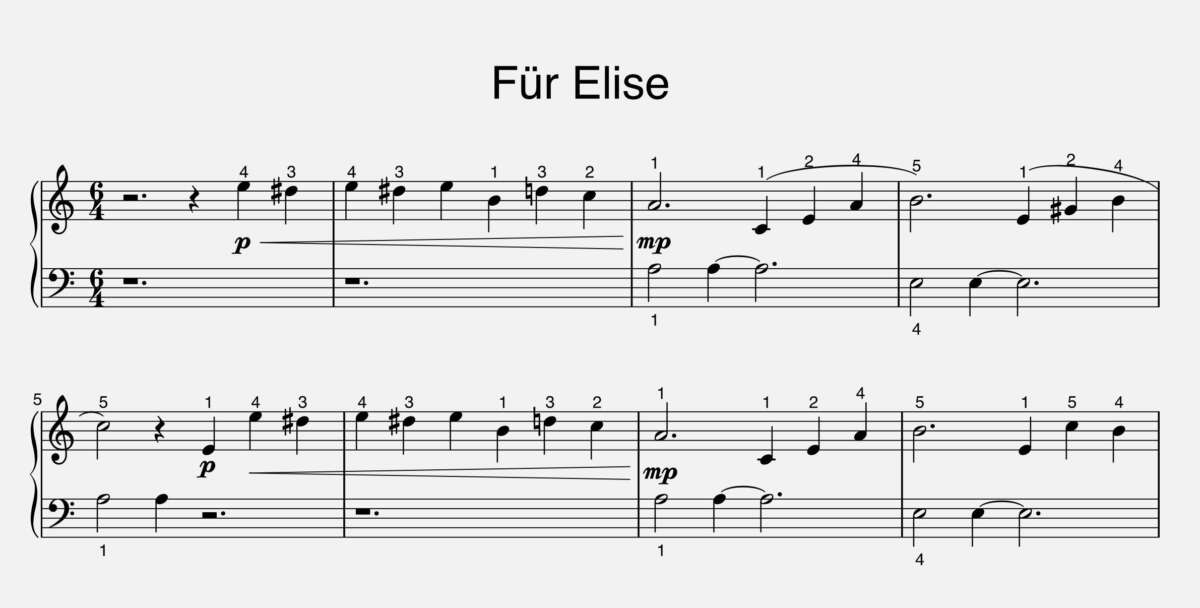
The opening motif is the heart of how to play for elise on piano easy. Learn this first using the steps below.
- Learn the right-hand melody by itself.
- Practice the left-hand bass pattern separately.
- Put hands together slowly at a very low tempo.
- Gradually increase tempo as accuracy improves.
Right-hand practice tips:
- Use fingers 1-2-3-1-2 for the main opening phrase.
- Play slowly and sing the melody to lock it in.
- Repeat just four measures until they feel natural.
Left-hand practice tips:
- Simplify to single bass notes if chords feel hard.
- Keep a steady beat with the metronome.
- Aim for even volume—don’t overpower the melody.
Putting hands together:
- Start at half tempo of your right-hand practice.
- Keep fingers light and wrists relaxed.
- If mistakes happen, stop and repeat smaller sections.
This process is the backbone of learning how to play for elise on piano easy. I used it with beginners who went from no notes to a clean opening in a few days.
Simple fingerings and note guide
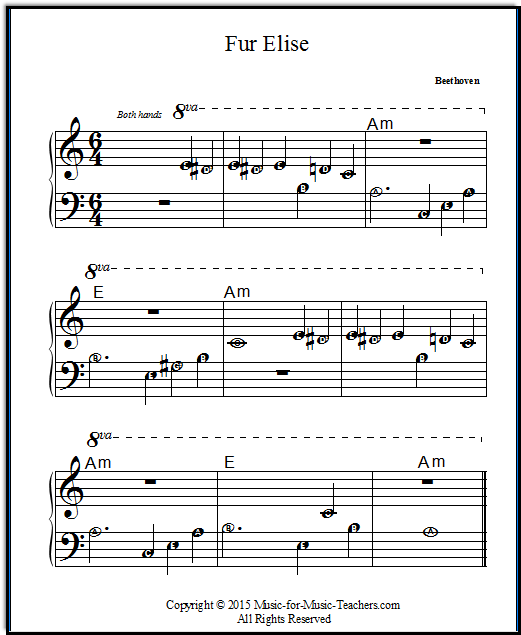
Fingerings make or break a smooth performance of how to play for elise on piano easy. Use these finger suggestions for the most common phrases.
- Opening motif (melody): 5-4-3-2-1 pattern for descending lines, and 1-2-3 for the quick rises.
- Left hand: use 5 for low A, 2 or 3 for inner harmony depending on reach.
- For cross-hand fills, keep thumb under smoothly and avoid tension.
Write finger numbers on your sheet music the first week. That saves time and reduces guesswork. When I teach, students who mark fingerings progress faster and make fewer hand-position errors when learning how to play for elise on piano easy.
Left-hand simplifications that keep it musical
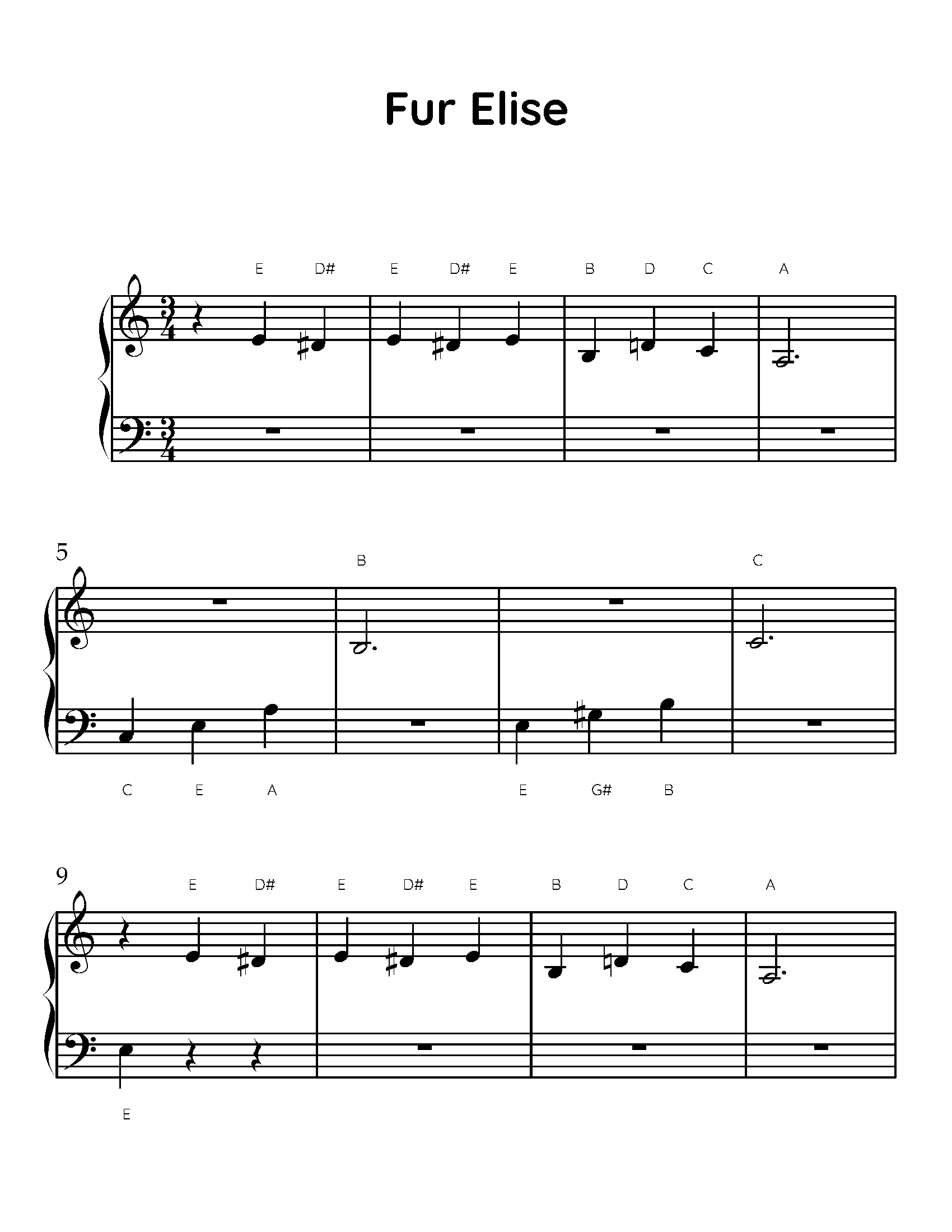
The original left hand can be full and tricky. Here are easy options that still sound good.
- Play single bass notes on beats 1 and 3 instead of broken chords.
- Use simple open fifths for a fuller sound without big stretches.
- For a richer sound, play root then fifth as two-note patterns.
These changes keep the piece musical while you build coordination. They also let you focus on tone and rhythm, which are crucial when you learn how to play for elise on piano easy.
Practicing efficiently: tempo, repetition, and timing
Good practice saves time. Follow this routine to learn how to play for elise on piano easy faster.
- Warm up 5 minutes with scales or finger drills.
- Spend 10 minutes on right hand only.
- Spend 10 minutes on left hand only.
- Spend 10 minutes on hands together at slow tempo.
- Finish with 5 minutes playing through the whole section.
Use the metronome to increase tempo by 3–5 BPM only when your hands stay accurate for two full runs. Short, focused practice beats long, unfocused hours when learning how to play for elise on piano easy. I found this schedule helps students gain steady muscle memory without fatigue.
Common mistakes and how to avoid them
New players often make the same errors when learning how to play for elise on piano easy. Watch for these.
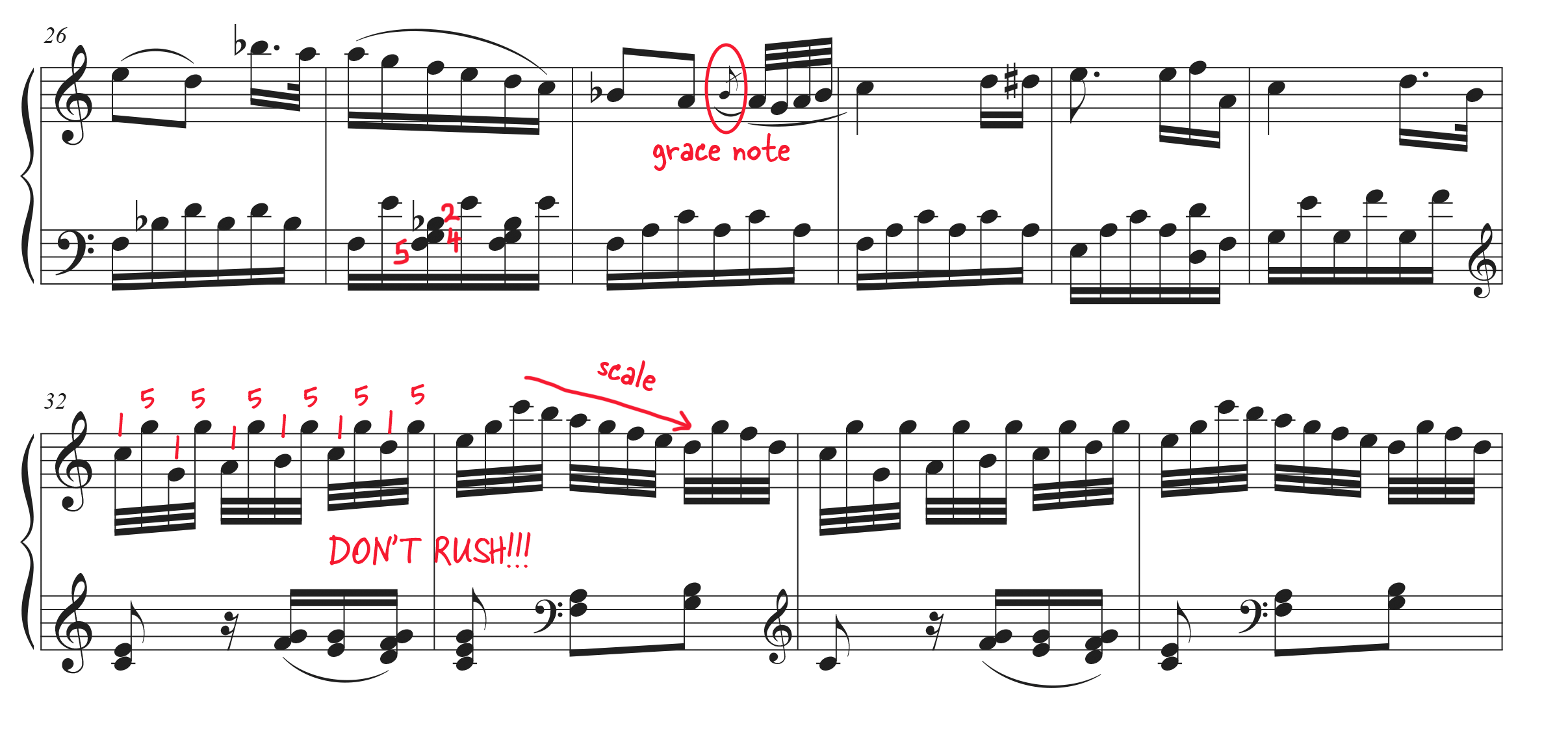
- Rushing the quick runs — fix by slowing way down and using a metronome.
- Tension in the wrist — relax and lift fingers from the knuckles.
- Ignoring dynamics — use soft and loud to make the melody sing.
- Poor fingerings — mark numbers and stick to them.
Fixing these early makes the piece sound better faster. I regularly correct these issues in lessons; addressing them early prevents bad habits when learning how to play for elise on piano easy.
Memorization and performance tips
Memorize by sections. Chunking makes learning how to play for elise on piano easy far simpler.
- Break the piece into 4-bar chunks.
- Memorize one chunk at a time.
- Practice transitions between chunks.
- Play the piece from the middle occasionally to test memory.
Add a small pre-performance routine: breathe, play the first two bars slowly, then begin. This calms nerves and strengthens recall when you perform how to play for elise on piano easy.
Sheet music, apps, and learning resources
Use reliable, simple arrangements when starting to learn how to play for elise on piano easy.
- Beginner sheet music that labels fingerings.
- Slow-down apps that keep pitch but reduce tempo.
- Video tutorials that show hand positions up close.
- Simple backing tracks for practice with rhythm.
I often pair easy sheet music with a slow-down app for students. That combo accelerates progress and makes learning how to play for elise on piano easy much more enjoyable.
My personal tips and lessons learned
From years of teaching, here are practical tips I use when showing students how to play for elise on piano easy.
- Start with just the opening motif until it feels natural.
- Use recording to track progress; you’ll notice steady gains.
- Don’t skip slow practice — speed always follows accuracy.
- Celebrate small wins: playing three bars cleanly is real progress.
I once taught an adult beginner who practiced 15 minutes daily and learned the opening cleanly in a week. The secret was consistent short practice and patient focus on the melody when learning how to play for elise on piano easy.
Frequently Asked Questions of how to play for elise on piano easy
What is the easiest way to start learning Für Elise?
Begin with the opening motif in the right hand, practice slowly, and add the left hand later. Focus on short chunks and a steady tempo.
How long will it take to learn how to play for elise on piano easy?
With daily 15–30 minute practice sessions, many beginners can learn a simple version in one to three weeks. Progress depends on prior experience and practice quality.
Should I use the original sheet music or a simplified version?
Start with a simplified version to build confidence, then move to the original as your technique improves. Simplified arrangements speed up learning and reduce frustration.
How do I practice the tricky fast parts?
Slow them way down, use a metronome, and repeat short measures until flawless. Gradually increase tempo only when accuracy is consistent.
Can absolute beginners learn how to play for elise on piano easy?
Yes. With clear fingerings, slow practice, and patience, absolute beginners can learn a simplified version. Consistent short practice is the key.
Conclusion
You can learn how to play for elise on piano easy by breaking the piece into small parts, practicing hands separately, and using a steady, measured practice plan. Start with the opening motif, mark fingerings, and build speed slowly while keeping your hands relaxed. Take one short practice session at a time and celebrate small wins. Try the step-by-step routine above for two weeks and see measurable improvement — then share your progress or ask for tailored tips in the comments.

Senior Music Reviewer
Alex Carter is a seasoned music reviewer with over a decade of experience in the world of sound and instruments. Passionate about helping musicians and enthusiasts make informed choices, he brings sharp insights and in-depth knowledge to every review. From classical instruments to modern gear, Alex combines technical expertise with a love for music to deliver content that resonates with readers.
As a Senior Music Reviewer and expert author on Tuneluma.com, Alex is dedicated to sharing honest evaluations, practical advice, and thoughtful commentary to guide readers in their musical journey.