How To Play Apt On Piano: Easy Step-By-Step Tutorial
Learn the melody slowly, lock the chords, and practice hands separately for clean results.
I have taught and arranged many contemporary tunes, and I will guide you through how to play apt on piano with clear steps, practical tips, and common pitfalls to avoid. Whether "Apt" is a named song you found online or an original motif you want to adapt, this guide covers reading, technique, arranging, and practice plans to get you playing with confidence and musicality. Read on to get a structured, experience-backed path to mastering how to play apt on piano.

Understanding "Apt": what to expect before you start
When someone asks how to play apt on piano they often mean a short modern piece or a riff called "Apt." If you have specific sheet music, use it. If not, this guide helps you transcribe, arrange, and learn by ear.
Most modern short pieces labeled "Apt" use simple chord progressions and a clear melody. Expect repeated phrases and room for personal voicing. I will show how to read, shape, and adapt the material so it sounds polished and natural.
Essential equipment and setup
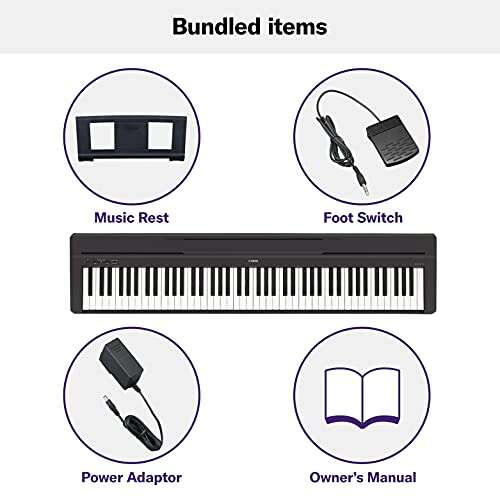
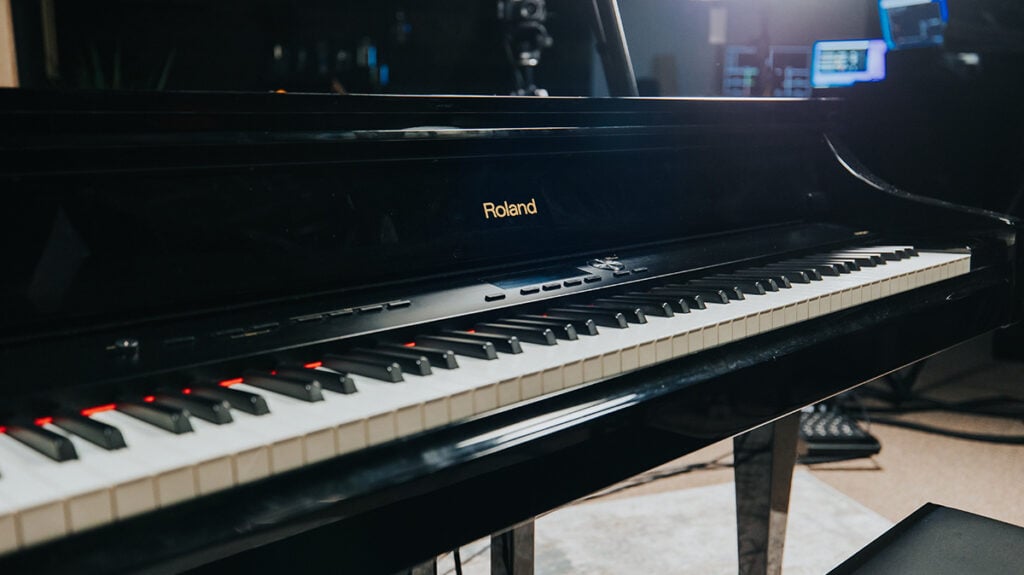
You do not need a fancy piano to learn how to play apt on piano. A weighted keyboard or an acoustic piano is best but a decent digital piano works fine.
Make sure your bench height and posture are set. Hands should float with relaxed wrists. Good posture saves time and prevents strain.
Keep a metronome and a recording app handy. They help measure progress and fix timing issues as you learn how to play apt on piano.

Step-by-step method: how to play apt on piano
- Get the melody
- Find or listen to the melody. Hum it first, then map it to the right hand on the piano.
- Play the melody slowly. Aim for smooth, even tone and clear rhythm.
- Identify the harmony
- Listen for bass notes and chord changes. Write simple chord symbols under the melody.
- Use basic triads first, then add sevenths or extensions later.
- Hands separate practice
- Practice the left hand part alone. Work on steady rhythm and clear voicings.
- Practice the right hand melody alone until it is secure.
- Slow hands together
- Combine both hands at a very slow tempo. Play one bar at a time.
- Use a metronome. Only increase speed once both hands are clean.
- Add dynamics and phrasing
- Mark loud and soft spots. Shape the melody with gentle rises and falls.
- Small accents and rubato make the piece breathe.
- Clean up tricky spots
- Isolate hard measures. Loop them at slow tempo.
- Gradually add tempo and remove pauses.
- Polish with articulation
- Choose legato or staccato where it fits the style. Keep fingers close to keys for control.
- Make repeated notes consistent in tone.
- Record and revise
- Record a practice run. Listen back and note weak spots.
- Make small changes and repeat the cycle until it feels faithful and musical.
This step-by-step routine is a reliable path to learn how to play apt on piano. Stick to slow, steady practice and the piece will fall into place.
 patterns and chord voicings for Apt”
style=”max-width: 100%; height: auto; border: 2px solid black; border-radius: 10px; display: block; margin: 0 auto;”
loading=”lazy”
/>
Left-hand patterns and chord voicings for Apt
Left-hand choices shape the mood of how to play apt on piano. Pick patterns that support the melody.
Common left-hand options
- Root-octave pulse for a strong drive.
- Broken arpeggios for a flowing feel.
- Sustained bass notes with inner chord hits for a modern ballad vibe.
Voicing tips
- Put the third of the chord in the right hand when the melody needs it. This frees the left hand for bass motion.
- Drop the root to the lowest note and play the 3rd and 7th in the left hand for richer color.
- Use open fifths or sus2/sus4 when the harmony needs space.
Fingerings to try
- Use 1 and 5 for wide bass leaps. This gives stability.
- Use 2-1-3 for broken chords in the left hand to keep motion smooth.
These simple moves make it easier to hear how to play apt on piano with depth and clarity.

Right-hand technique and melody shaping
The right hand carries the tune when you learn how to play apt on piano. Treat it like a singer.
Tone and touch
- Play the melody with even tone. Keep fingers curved and close to keys.
- Use weight transfer from the arm, not just finger force, for fuller tone.
Phrasing and dynamics
- Mark phrase ends and shape each line like a sentence.
- Use small crescendos and decrescendos to add life.
Articulation
- Use subtle accents to highlight key notes.
- Hold longer notes slightly longer than their written value to create a sense of phrasing.
I often record just the melody and listen back. That helps me hear phrasing as a listener, not as a player. This shift improved my performances of songs like Apt and similar tunes.

Putting hands together and building speed
Combining hands is where many learners stall. Here is a clear method to get both hands working as one.
Simple fusion steps
- Play both hands at 50% of performance tempo. Focus on alignment.
- Move to 70% once 50% feels steady. Stay patient.
Use rhythmic variation
- Practice the passage with altered rhythms, such as long-short patterns, to fix timing issues.
- Try hands-together in small chunks, then join chunks slowly.
Tempo ramp
- Increase tempo by 3–5 BPM increments. Do not rush progress.
- If mistakes return, drop back and relearn at a slower speed.
This approach helps you internalize the coordination needed to play apt on piano with clean timing.
Arranging and accompaniment ideas
If you want a fresh take, arranging how to play apt on piano opens creative choices.
Simple arrangements
- Solo piano: melody on top, block chords below.
- Ballad: slow left-hand arpeggios with soft melody in the right hand.
- Groove: rhythmic left-hand stabs with syncopated right-hand riffs.
Add texture
- Use inner voice lines to fill space between bass and melody.
- Add light trills or grace notes sparingly for color.
If you know basic chord progressions, you can create a tasteful arrangement quickly. Keep it simple and musical.
Common mistakes and how to avoid them when learning how to play apt on piano
Mistake: rushing tempo
- Solution: slow practice and metronome. Master accuracy before speed.
Mistake: uneven melody tone
- Solution: work on right-hand weight and finger control. Record and listen.
Mistake: muddy left-hand voicings
- Solution: simplify the left hand and separate the bass from inner chords.
Mistake: poor posture leading to fatigue
- Solution: adjust bench height and hand position. Take short breaks.
Mistake: skipping small practice goals
- Solution: set tiny daily goals. Consistent short sessions beat long irregular ones.
If you avoid these common mistakes you will learn how to play apt on piano more quickly and with less frustration.
Practice plan: 4-week plan to master how to play apt on piano
Week 1 — Foundation
- Learn the melody by ear or from the score.
- Identify chord changes and mark tricky bars.
- Practice 20 minutes daily with hands separately.
Week 2 — Coordination
- Combine hands slowly for 15–20 minutes.
- Work on left-hand patterns and basic voicings.
- Record once a week and note two things to improve.
Week 3 — Expression
- Add dynamics, phrasing, and small articulations.
- Increase tempo in small steps.
- Start playing through the whole piece for flow.
Week 4 — Polish and performance
- Refine problem spots and finalize voicings.
- Practice several run-throughs as if performing.
- Record a final take and compare it to Week 1.
This plan keeps practice short and focused. It helps you internalize how to play apt on piano in a month.
Frequently Asked Questions of how to play apt on piano
What if I can't find sheet music for Apt?
Try to transcribe the melody by ear. Use slow-down tools or search for a lead sheet or chord chart online to guide your arrangement.
How long will it take to learn how to play apt on piano?
With focused daily practice, expect basic competence in 2–4 weeks. Mastery and musicality grow with continued, varied practice over months.
Should I focus on technique or feel first?
Start with technique to secure notes and rhythm. Once secure, add feel, dynamics, and phrasing to make the piece musical.
Can I simplify the left-hand part if it is hard?
Yes. Use single bass notes or simple block chords until you build strength and coordination. Gradually add complexity.
How do I make my performance of Apt sound more expressive?
Mark phrase shapes and dynamic peaks. Listen often to how singers or instrumentalists shape lines and mimic that breathing in your playing.
Conclusion
You now have a clear, step-by-step path for how to play apt on piano. Start with the melody, build harmony, practice hands separately, then combine slowly while adding expression. Stay patient, use the 4-week plan, and record your progress. Take one small practice goal each day and you will see steady improvement. Try the exercises above, subscribe for more guides, or leave a comment about your progress — I’d love to hear how your version of Apt develops.

Senior Music Reviewer
Alex Carter is a seasoned music reviewer with over a decade of experience in the world of sound and instruments. Passionate about helping musicians and enthusiasts make informed choices, he brings sharp insights and in-depth knowledge to every review. From classical instruments to modern gear, Alex combines technical expertise with a love for music to deliver content that resonates with readers.
As a Senior Music Reviewer and expert author on Tuneluma.com, Alex is dedicated to sharing honest evaluations, practical advice, and thoughtful commentary to guide readers in their musical journey.