What Electric Guitar Should I Buy: Best Picks For 2026
Start with a reliable beginner model like a Fender Squier, Yamaha Pacifica, or Epiphone Les Paul.
Choosing what electric guitar should i buy feels simple and overwhelming at once. I’ve taught students, tested dozens of guitars, and worked in shops, so I know the common traps. This guide breaks down the choice into clear steps. You’ll learn how budget, body style, pickups, neck feel, and amps shape the answer to what electric guitar should i buy. Read on for practical advice, model suggestions, and mistakes to avoid so you walk into a shop or click “buy” with confidence.

How to decide: the core factors to weigh
Start with simple questions. What style of music do you like? What is your budget? Do you plan to gig, record, or play at home? Answering these guides your choice of what electric guitar should i buy.
Playability matters as much as tone. Neck shape, scale length, and fretboard radius change how a guitar feels. Trying guitars in person is ideal, but online reviews and demo videos help if you can’t.
Consider future needs. A guitar you love now should still work if your taste shifts. Versatile pickups or a guitar with easy upgrade paths give long-term value.

Budget brackets and practical recommendations
Set a budget range first. Here are practical brackets for deciding what electric guitar should i buy.
- Under $300: Great for complete beginners. Look for Squier Affinity, Yamaha Pacifica, or used entry-level brands. These give good playability for the price.
- $300–$800: Solid mid-range options. Epiphone Les Paul Standard, Squier Classic Vibe, and Ibanez AZ series often land here. These hit a sweet spot of tone and reliability.
- $800–$1,500: Professional features and better components. Fender Player, PRS SE, and G&L offer excellent value. These guitars stay relevant as skills grow.
- $1,500+: High-end and boutique. If tone and feel are key and budget allows, consider American-made Fender, Gibson, PRS Core, or boutique luthiers.
If you ask “what electric guitar should i buy” as a beginner, aim for the mid-range if possible. It reduces upgrade needs later.
Body shapes and playability explained
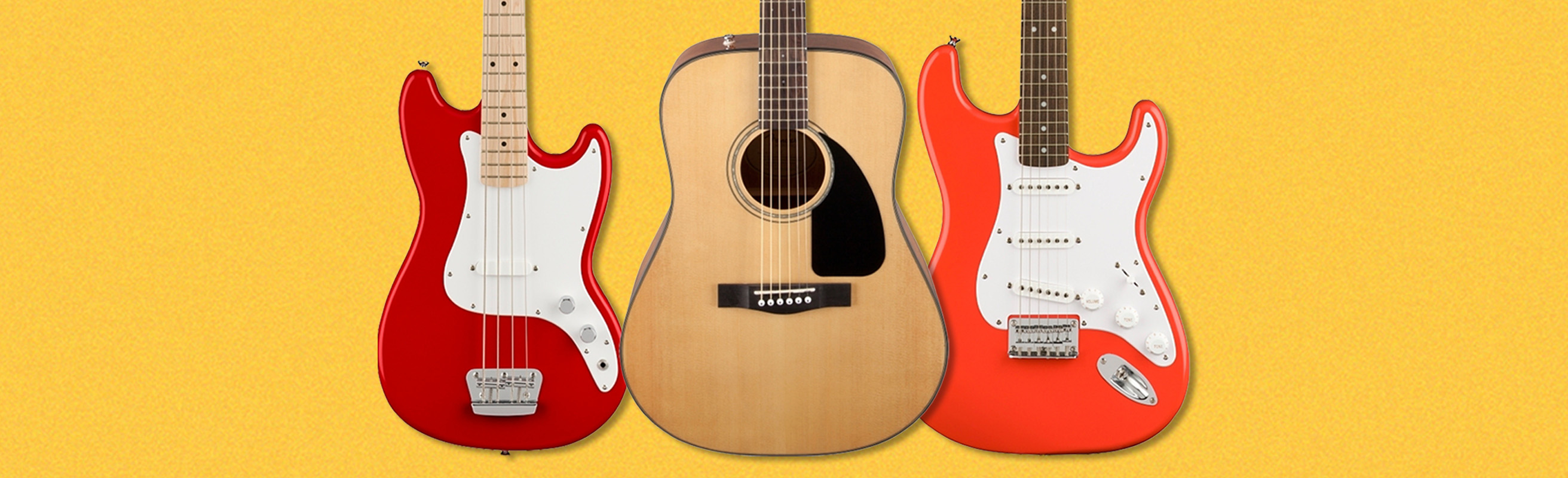
Body shape affects comfort and tone. Knowing shapes helps decide what electric guitar should i buy.
- Strat-style: Comfortable, bright tone, great for clean and light overdrive. Favored for blues, funk, and pop.
- Tele-style: Simple design, twangy tone, great for country and rock. Easy to maintain.
- Les Paul-style: Thicker body, warm sustain, ideal for rock and blues. Heavier but rich-sounding.
- SG-style: Thin, fast neck, good for lead playing and hard rock. Lightweight.
- Offset and modern shapes: Offer unique tone and comfort for indie, alternative, or modern players.
Think about what you’ll play most. That will point to the shape and answer what electric guitar should i buy.
 humbucker vs P90″
style=”max-width: 100%; height: auto; border: 2px solid black; border-radius: 10px; display: block; margin: 0 auto;”
loading=”lazy”
/>
Pickups and tone: single-coil vs humbucker vs P90
Pickups are the voice of the guitar. They heavily influence what electric guitar should i buy.
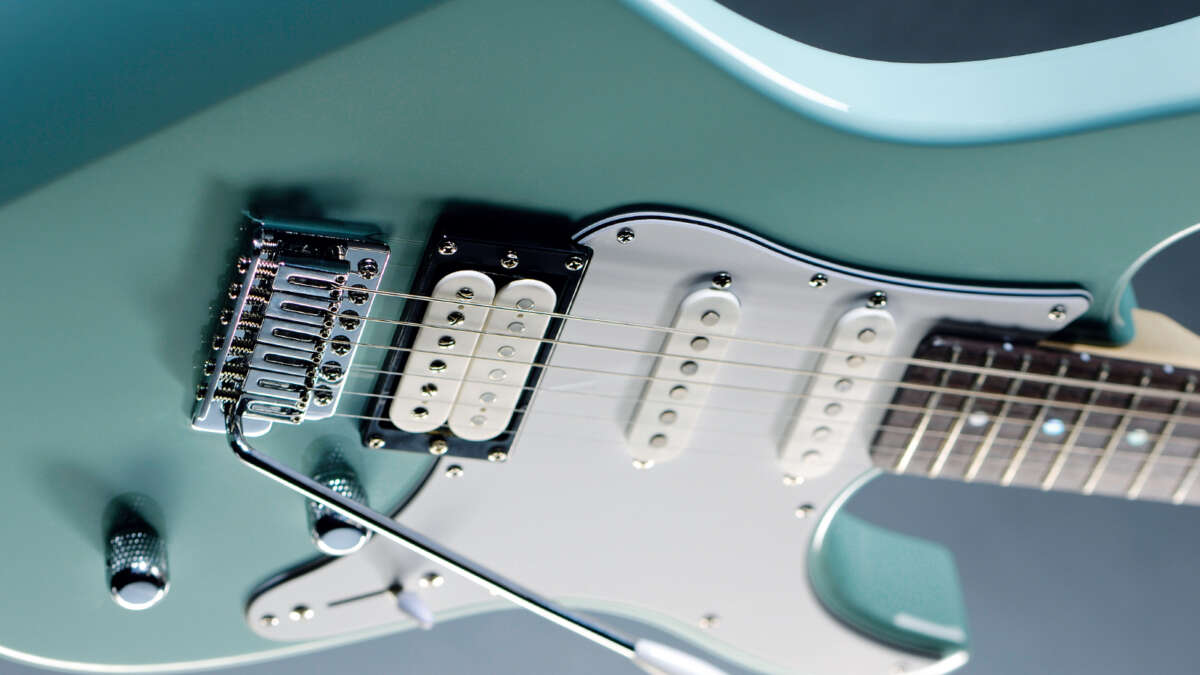
- Single-coil: Bright and clear. Great for cleans and chime. They can be noisy with high gain.
- Humbucker: Thick and warm. Lower noise and more output. Popular for rock and metal.
- P90: In-between single-coil and humbucker. Open midrange and bite. Works well for blues and grunge.
Consider coil-splitting or coil-tap features for more options. Many guitars offer combos to cover multiple styles. If you play many genres, choose flexible pickup options when deciding what electric guitar should i buy.

Neck profile, scale length, and fretboard feel
The neck determines comfort. Test the neck before you decide what electric guitar should i buy.
- Neck profile: C-shaped is common and comfortable for many players. U and V profiles suit specific hand shapes.
- Scale length: Shorter scales (24.75") feel easier for bending. Longer scales (25.5") give tighter low end.
- Fretboard radius: A flatter radius helps fast leads. A rounder radius is better for chording.
If possible, play several neck types. Your hands will tell you which feels best. I once chose a guitar for tone and later swapped it because the neck felt wrong; try before you buy.

Hardware, electronics, and setup
Good hardware improves stability and sustain. Consider these when choosing what electric guitar should i buy.
- Tuners: Locking tuners speed string changes and improve tuning stability.
- Bridge: Fixed bridges give sustain. Tremolos give vibrato options but need setup knowledge.
- Pots and wiring: Quality pots and proper shielding reduce noise and improve control.
A well-setup mid-range guitar often plays better than a high-end guitar with poor setup. Budget for a pro setup if needed. I always recommend a setup after purchase—strings, intonation, and action can transform a guitar.
New vs used vs boutique: pros and cons
Buying route matters for what electric guitar should i buy.
- New: You get warranty and predictable condition. Good for peace of mind.
- Used: Better value and chance to find higher-end gear within budget. Inspect for damage and wear.
- Boutique: Custom features and superior build. Expensive but tailored to your needs.
When buying used, bring a tuner and check neck straightness, fret wear, and electronics. If unsure, buy from reputable sellers with return policies.
Amp and accessories that matter
Your amp shapes tone as much as the guitar. Ask “what electric guitar should i buy” with your amp in mind.
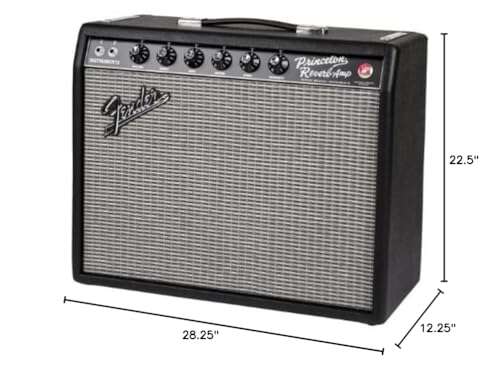
- Practice amp: 10–20 watts with good clean tone is ideal for bedroom practice.
- Tube amp: Warmer, dynamic tone. Great for gigs and recording.
- Modeling amp: Versatile and cost-effective for many genres.
Accessories to budget for: case or gig bag, quality cable, spare strings, tuner, strap, and a basic pedal or two. A cheap amp can mask a guitar’s true tone. Pair gear thoughtfully.
My top picks by player type
These picks reflect years of testing and teaching. They help answer what electric guitar should i buy for common needs.
- Absolute beginner: Squier Affinity Strat or Yamaha Pacifica. Low cost and reliable.
- Blues/indie player: Fender Player Strat or PRS SE Custom 24. Versatile and expressive.
- Rock/metal player: Epiphone Les Paul Standard or Ibanez RG/AZ series. Good drive and sustain.
- Gigging pro on a budget: Fender Player Tele/Strat or PRS SE. Durable and road-ready.
- Collector or tone chaser: American-made Fender or Gibson, or boutique luthier instruments.
Choose one that matches your music and hands first. Tone can be shaped later with amps and pedals.
Common mistakes and how to avoid them
Avoid these traps when you decide what electric guitar should i buy.
- Buying only on looks: Looks matter, but playability and feel matter more. Try before you buy.
- Skipping setup: Even great guitars need proper setup. Budget for a setup.
- Ignoring pickups: Pickups define tone; match them to your music.
- Buying too cheap to save: Extremely cheap guitars can be frustrating and discourage practice.
- Not considering resale value: Some brands hold value better if you plan to upgrade.
I once bought a guitar for its finish and later sold it because the neck was uncomfortable. Trust your hands first.
Frequently Asked Questions of what electric guitar should i buy
How do I choose my first electric guitar?
Pick a guitar that feels comfortable and fits your budget. Choose a versatile model with good reviews, and consider a mid-range option to avoid quick upgrades.
Should I buy new or used?
Both work. New offers warranty and certainty. Used can give better value but inspect condition, neck, frets, and electronics before buying.
Are pickups the most important factor?
Pickups shape tone greatly, but neck feel, body type, and amp also matter. Look for a balance that matches your music style.
Which brands are best for beginners?
Brands like Squier, Yamaha, Epiphone, and Ibanez offer reliable beginner models. They balance price, build, and playability well.
Do I need a tube amp to sound good?
No. Many solid-state and modeling amps sound great for practice and recording. Tube amps add warmth and response, but are not required.
How much should I spend as a beginner?
Aim for $300–$800 if possible. It gets you a guitar that grows with your skills and reduces the need for early upgrades.
Conclusion
Choosing what electric guitar should i buy becomes simple when you break the decision into clear parts. Start with budget, playing style, and comfort. Test necks and pickups, pair the guitar with a suitable amp, and budget for a setup. My advice: buy the best instrument you can afford, and focus on feel over looks. Try guitars in person and don’t rush—your perfect match is out there.
Take action today: try two different shapes, one single-coil and one humbucker guitar, and note which feels and sounds better. Share your experience below, subscribe for more gear guides, or ask for personalized recommendations.

Senior Music Reviewer
Alex Carter is a seasoned music reviewer with over a decade of experience in the world of sound and instruments. Passionate about helping musicians and enthusiasts make informed choices, he brings sharp insights and in-depth knowledge to every review. From classical instruments to modern gear, Alex combines technical expertise with a love for music to deliver content that resonates with readers.
As a Senior Music Reviewer and expert author on Tuneluma.com, Alex is dedicated to sharing honest evaluations, practical advice, and thoughtful commentary to guide readers in their musical journey.