How To Play The Boogie Woogie On Piano: Easy Step-By-Step
Use a steady left-hand eight-to-the-bar bass and syncopated right-hand riffs to boogie.
I’ve taught and played boogie woogie for years, and I’ll walk you through how to play the boogie woogie on piano with clear steps, real practice tips, and musical examples. You’ll learn the left-hand bass patterns, right-hand riffs, timing, and how to improvise so the music sounds alive. Read on to get practical, expert advice that you can use at the piano today.

What is boogie woogie?
Boogie woogie is a blues-based piano style with a driving left-hand pattern and lively right-hand riffs. It grew from early 20th-century American blues and became a danceable, upbeat piano tradition. Knowing how to play the boogie woogie on piano means getting that steady pulse and learning patterns that lock your hands together.

Essential elements you must master
To sound authentic you need to focus on a few core elements. These are the building blocks for how to play the boogie woogie on piano. Master them slowly, then speed up while keeping the groove steady.
- A steady left-hand ostinato that outlines the chord changes.
- Right-hand riffs, licks, and short repeated phrases that sit on top of the left hand.
- Strong sense of rhythm, swing, and space between notes.
- Simple chord vocabulary, mainly I, IV, and V in blues form.
Step-by-step: how to play the boogie woogie on piano
Follow these steps to build a playable boogie woogie in a week of focused practice. Each step shows what to practice and why it matters for how to play the boogie woogie on piano.
-
Learn the basic 12-bar blues form.
Practice the I-IV-V chord progression in one key. Count four bars per chord where appropriate. -
Practice the basic left-hand pattern.
Play eight steady notes per bar on the root and fifth, with occasional chromatic walks. Keep the tempo slow and steady. -
Add a simple right-hand riff.
Use short 2- or 4-bar licks that repeat and vary. Aim for a singable phrase that complements the left hand. -
Lock hands together.
Practice hands separately, then slowly combine them at a slow tempo. Focus on maintaining the left-hand pulse. -
Improvise using the blues scale.
Use the minor pentatonic plus flat 5 over the I chord to start. Keep phrases short and call-and-response with the left hand. -
Increase tempo and add dynamics.
Gradually speed up while keeping clarity. Add accents and breaks to create excitement.
How to play the boogie woogie on piano is largely about repetition and groove. Repeat steps 1–6 until the patterns feel natural.

Left-hand patterns: eight-to-the-bar and useful variations
The left hand anchors the whole style. Learn the classic patterns and a few variations to keep things interesting.
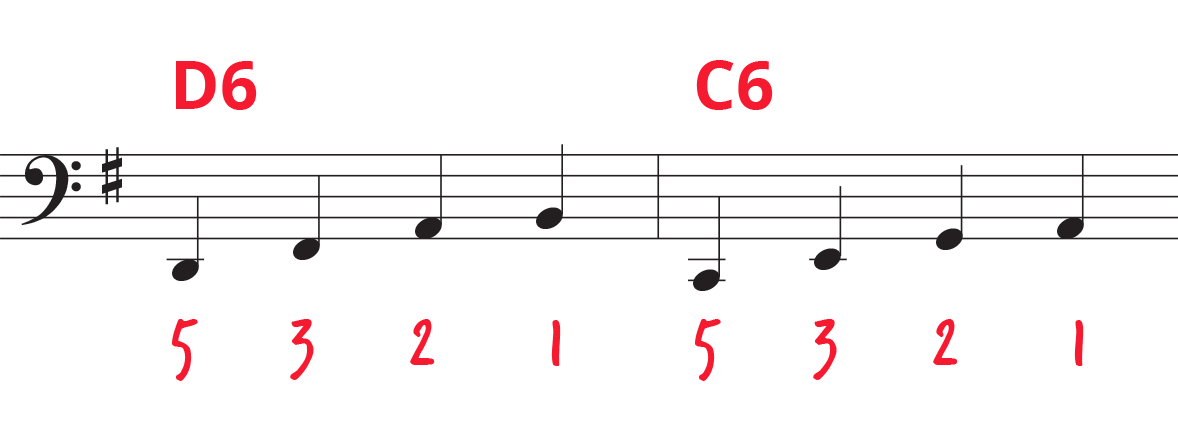
- Basic eight-to-the-bar ostinato: play a steady sequence of eighth notes that outline the chord.
- Walking bass variation: use chromatic passing tones to connect chord roots.
- Boogie shuffle: emphasize alternating low and mid-range notes for a punchy sound.
- Drop-2 or octave fills: add octave hits on beats 1 and 3 for power.
Drill these slowly. Use a metronome and keep your wrist relaxed. This is where most students learn how to play the boogie woogie on piano correctly.

Right-hand licks, riffs, and improvisation
The right hand sings over the left-hand groove. Learn short phrases, then practice variation and call-and-response.
- Start with 2-bar riffs using the blues scale.
- Use syncopation: delay or anticipate notes slightly to create swing.
- Repeat phrases and change the ending for variety.
- Trade fours: play four bars, then let the left hand or another player answer.
When learning how to play the boogie woogie on piano, record yourself. Listening back helps you hear timing and tone issues to fix.
Rhythm, groove, and swing feel
Rhythm is the soul of boogie woogie. The notes must breathe and push.
- Keep the left hand steady and mechanical.
- Let the right hand be looser and more expressive.
- Use space: short rests make phrases land harder.
- Accent beats 1 and 3 lightly, and add syncopation on beats 2 and 4.
Good groove comes from steady practice. If you focus on rhythm, how to play the boogie woogie on piano will feel natural.
Practice routine and drills
A focused practice routine speeds learning. Here are drills I used and still recommend.
- Warm-up: 5 minutes of scales and relaxed octaves.
- Left-hand drill: 10 minutes on the eight-to-the-bar pattern per key.
- Right-hand drill: 10 minutes repeating and varying a simple 4-bar riff.
- Combined hands: 15 minutes at slow tempo, then speed up by 5 bpm.
- Improvisation: 10 minutes trading short phrases and experimenting.
Do this routine five times a week. Consistency is the fastest way to master how to play the boogie woogie on piano.
Common mistakes and how to fix them
Beginners often make predictable errors. Fix these to sound better fast.
- Rushing the tempo: fix with a metronome and slow practice.
- Weak left-hand pulse: practice left-hand ostinatos alone for longer.
- Overplaying the right hand: simplify phrases and add space.
- Tension in wrists and shoulders: take breaks and relax between phrases.
Address these and your progress will accelerate. Learning how to play the boogie woogie on piano is about control and feel.
Song examples and learning path
Learning songs helps apply patterns in context. Start simple and add complexity.
- Start with a basic 12-bar boogie in C or G.
- Learn classic boogie standards and transpose them to new keys.
- Learn solos by ear and transcribe short riffs to improve phrasing.
- Play with a drummer or backing track to lock in your groove.
This path makes how to play the boogie woogie on piano practical and fun. Each song teaches new licks and timing.
Resources and recommended listening
Listen and learn from great recordings. Use them as models for feel and phrasing.
- Recordings of classic boogie pianists provide templates for riffs.
- Video lessons help with hand shapes and motion.
- Play-along tracks let you practice timing in a band context.
Use resources to shape your style. They will guide how to play the boogie woogie on piano with authenticity.
Frequently Asked Questions of how to play the boogie woogie on piano
What is the basic left-hand pattern for boogie woogie?
The basic left-hand pattern is an eight-to-the-bar ostinato that repeats the root and fifth with passing tones. It outlines the chord progression and keeps a steady pulse.
Which scale should I use to improvise boogie woogie?
Start with the minor pentatonic plus the flat fifth (blues scale) over the I chord and mix major and minor sounds as you move through chords. This gives both bluesy and upbeat flavors.
How fast should I practice boogie woogie?
Begin slow enough to play cleanly and gradually increase tempo by small steps. Aim for control before speed to maintain groove and clarity.
Can I use boogie woogie with other genres?
Yes, boogie woogie blends well with rock, blues, and swing; its rhythmic drive fits many settings. Adapt left-hand patterns and phrasing to match the genre.
How long will it take to sound good at boogie woogie?
With regular focused practice, you can play basic boogie patterns in weeks and build solid fluency in months. Progress depends on practice quality, not just time spent.
Should I learn boogie by ear or from sheet music?
Both help. Learning by ear improves feel and phrasing, while sheet music clarifies structure and specific licks. Combine both methods for best results.
Conclusion
Boogie woogie is fun, rhythmic, and deeply rewarding to learn. Focus on the left-hand pulse, learn a few right-hand riffs, and practice slow then faster to build groove. Start small, practice consistently, and play with others to speed up your growth. Try the practice routine here, record a short clip, and share it or subscribe to lessons to keep improving.

Senior Music Reviewer
Alex Carter is a seasoned music reviewer with over a decade of experience in the world of sound and instruments. Passionate about helping musicians and enthusiasts make informed choices, he brings sharp insights and in-depth knowledge to every review. From classical instruments to modern gear, Alex combines technical expertise with a love for music to deliver content that resonates with readers.
As a Senior Music Reviewer and expert author on Tuneluma.com, Alex is dedicated to sharing honest evaluations, practical advice, and thoughtful commentary to guide readers in their musical journey.