What Does Parentheses Mean In Guitar Tabs: Quick Guide
Parentheses in guitar tabs show optional notes: ghost notes, grace notes, or editorial suggestions.
I have taught guitar for years and read hundreds of tabs. I will explain what does parentheses mean in guitar tabs in simple terms. This guide shows how to read, play, and use parentheses in tabs. You will get clear examples, common uses, mistakes to avoid, and tips from real practice.

Understanding what does parentheses mean in guitar tabs
Parentheses in tabs mark notes that are not main notes. They often mean optional, soft, or decorative tones. Sometimes they show suggested notes or editorial hints. When you see parentheses you should decide if the note fits the feel.
I use parentheses to show ghost notes when I teach. They help students know when a note is light. The meaning can change by context. Learn the surrounding symbols to be sure.
Common uses of parentheses in guitar tabs
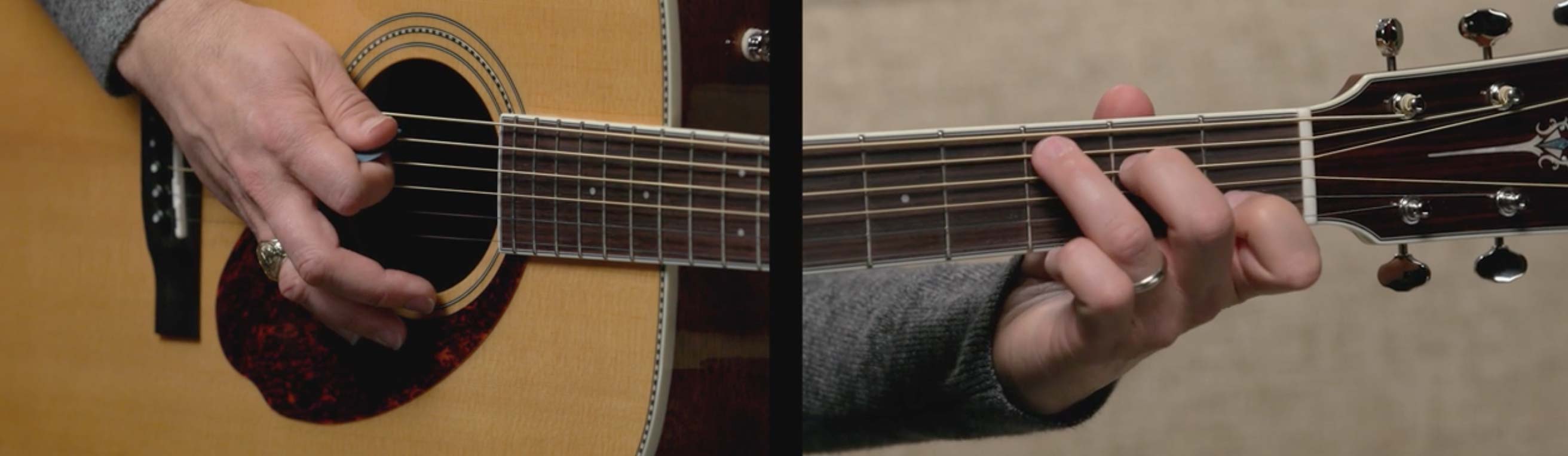
Parentheses serve several clear roles. Here are the main uses.
- Optional notes. These notes are not required. Players may skip them.
- Ghost notes. These are played very softly. They add groove, not melody.
- Grace notes. Quick lead-in notes before the main note. They are brief.
- Editorial suggestions. The tab author adds a note that may match the recording.
- Fret or rhythm clarifications. Sometimes parentheses explain unclear parts.
If you ask what does parentheses mean in guitar tabs, the short answer is optional or soft notes. Context decides how to play them. Use your ear and the song style to choose the best approach.
How to play notes in parentheses — practical examples
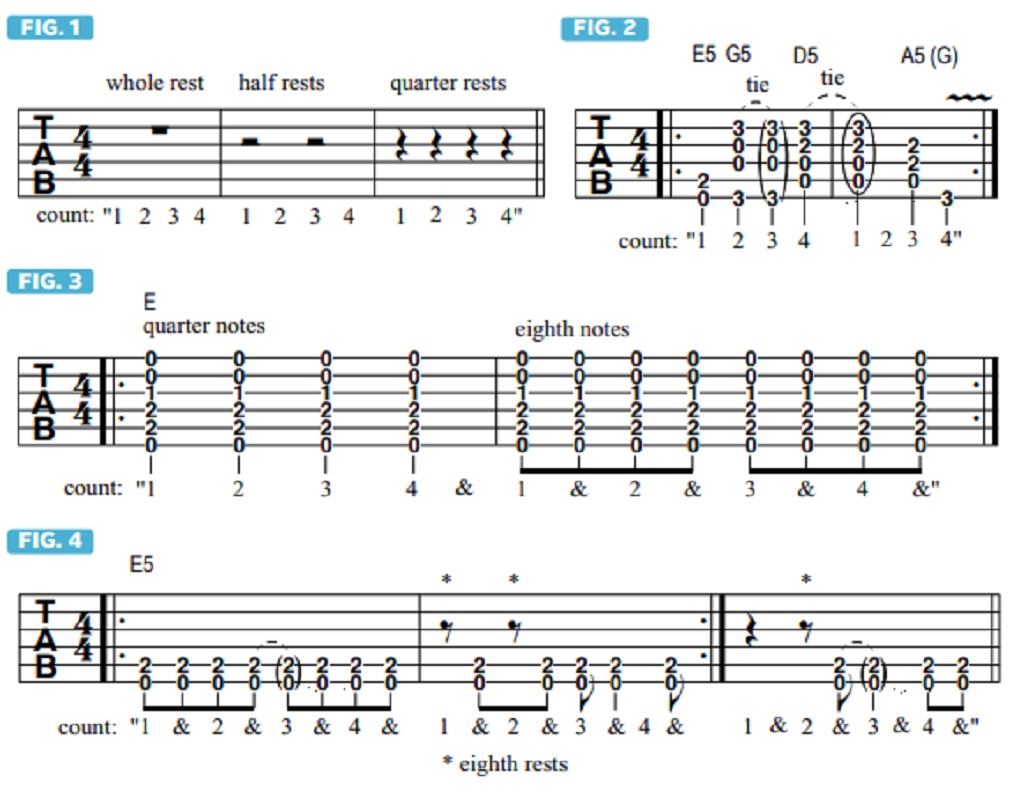
Play these small exercises to learn the feel.
- Ghost note example. Lightly touch the string to mute it. Pluck softly. The sound should be faint.
- Grace note example. Play the parenthesis note quickly before the main note. Let the main note ring.
- Optional harmony example. Try both with and without the parenthesis. Pick what sounds better.
When you practice ask: is this a ghost or a real pitch? If the tab marks a note in parentheses and the recording has no clear hit, play it softly or skip. From my lessons, most students find ghost notes by ear. Try both ways. You will hear which fits.
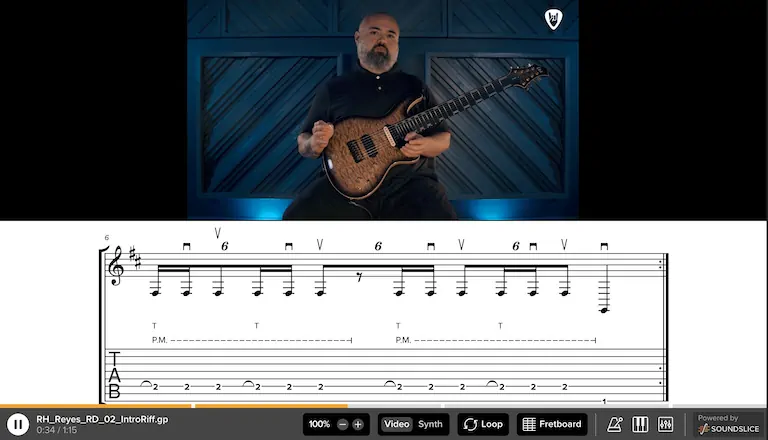
Notations and variations to watch for
Tabs use many signs near parentheses. Pay attention to these.
- Parentheses with “h” or “p”. Means a grace hammer or pull. Play it fast then the main note.
- Parentheses with “x” or muted marks. Often a percussive ghost hit.
- Parentheses around chord numbers. Suggest optional harmony or fill.
- Brackets vs parentheses. Brackets sometimes mean editorial or alternate fingering. Parentheses focus on softness or optional play.
If you still wonder what does parentheses mean in guitar tabs, always cross-check with the score or recording. Notation can vary by transcriber. Trust the ear when in doubt.

Mistakes to avoid and practical tips
Avoid these common errors when reading tabs.
- Don’t treat every parenthesis as a mistake. It often signals style.
- Don’t overplay ghost notes. They should not overpower the main line.
- Don’t ignore context. Nearby symbols change the meaning.
- Try both choices. Record yourself with and without the parenthesis note.
Tips from my experience:
- Listen closely to the track first. Match your playing to the mix.
- Use light touch for ghost notes. Use quick attack for grace notes.
- Mark tabs notes that feel wrong. Edit them for your version.
Remember that many players ask what does parentheses mean in guitar tabs because each tab maker uses them differently. Your judgement matters.
When parentheses are editorial or uncertain
Sometimes parentheses show uncertain notes. This happens when transcribers guess. You may see a tentative note in parenthesis. Treat it as a suggestion.
- If a parenthesis note sounds off, skip it.
- If it adds character, keep it.
- If you teach others, label uncertain notes clearly.
From my teaching, clear labeling helps students trust the tab. When in doubt, listen to multiple sources. That helps decide if a parenthesis note belongs in your part.
Frequently Asked Questions of what does parentheses mean in guitar tabs
What does parentheses mean in guitar tabs when used with a single note?
Parentheses around a single note usually mean optional play or a ghost note. Play it softly or skip it based on the song.
Are parentheses the same as grace notes in tabs?
They can be. Parentheses often mark grace notes, but context and added symbols confirm this. Look for slurs or “h/p” indicators.
How do I play a ghost note shown in parentheses?
Use a light touch and muting technique. Aim for a faint percussive sound that supports the groove.
Should I always follow parentheses in tabs exactly?
No. Parentheses are often suggestions. Use your ear and the song’s style to decide what works.
Do parentheses mean different things in different tab sources?
Yes. Transcribers differ. Some use parentheses for optional notes, others for editorial text or uncertain pitches.
Can parentheses show optional harmonies?
Yes. Parentheses can mark optional harmonies that add depth but are not required.
Conclusion
Parentheses in guitar tabs signal optional, soft, or suggested notes. Use them to add nuance. Listen to the recording, test both options, and use light touch for ghost notes. Practice the examples above and make small choices that match the song’s feel. Try a few songs, record your take, and decide how you prefer to use parentheses.
Take action: open a favorite tab with parentheses and try both versions. Leave a comment about what worked.

Senior Music Reviewer
Alex Carter is a seasoned music reviewer with over a decade of experience in the world of sound and instruments. Passionate about helping musicians and enthusiasts make informed choices, he brings sharp insights and in-depth knowledge to every review. From classical instruments to modern gear, Alex combines technical expertise with a love for music to deliver content that resonates with readers.
As a Senior Music Reviewer and expert author on Tuneluma.com, Alex is dedicated to sharing honest evaluations, practical advice, and thoughtful commentary to guide readers in their musical journey.