How To Play A Thousand Miles On Piano: Simple Step Guide
Learn the chord progression, play the melody with your right hand, and steady the left with simple patterns.
I’ve taught and played A Thousand Miles many times. In this guide I explain how to play a thousand miles on piano step by step. I’ll show the chords, the right-hand melody, fingering, rhythm tips, and a practice plan. You’ll get clear, easy-to-follow advice based on real teaching and performance experience.
Why this song works so well on piano
A Thousand Miles has a strong, repeating chord loop and a singable melody. The tune sits in a comfortable range for both hands. That makes it easy to learn and fun to arrange.
The song’s main progression is simple. You can play it in the original key. Or you can move it to a key that fits your voice or skill. My experience shows students learn the piece faster when they start with the chord loop and add the melody. This method keeps practice focused and rewarding.
Understanding the structure and chords
The original key is B major, with a common pop progression. The core chords are B, F#, G#m, and E. That is a I–V–vi–IV pattern in B major.
For beginners, use an easier key like C major. Transposed chords in C are C, G, Am, and F. Play this loop with a steady left hand. Then add the right-hand melody on top. This approach simplifies learning how to play a thousand miles on piano. It keeps the work clear and repeatable.
Basic chord voicings to try
- Play root position chords first to feel the harmony.
- Use simple inversions to connect chords smoothly.
- Try left-hand broken chords to mirror the original’s rhythmic pulse.
Tips on harmony and melody
- Listen for where the melody sits over each chord.
- Mark melody notes that match chord tones.
- Practice chords and melody separately before combining them.
Step-by-step tutorial: from beginner to advanced
Beginner steps
- Learn the four-chord loop in a friendly key like C. Play slow and steady.
- Practice the left-hand as quarter notes or broken arpeggios.
- Hum or sing the melody while playing the chords. This helps lock rhythm and phrasing.
Intermediate steps
- Start learning the right-hand melody in small phrases. Use short loops of two or four bars.
- Add simple ornaments like grace notes or a light trill where the song breathes.
- Use a metronome. Build speed by 2–4 BPM each week until you reach a comfortable tempo.
Advanced steps
- Match the original key of B major if you want the full sound.
- Add left-hand octave accents and rolling arpeggios in the bridge to increase depth.
- Use tasteful pedal changes to blend harmony without blurring the melody.
Combining hands
- Practice hands separately until each hand is fluent.
- Play small sections hands together slowly and repeat them.
- Increase the length of connected sections as timing improves.
Practical fingering tips
- Use consistent fingering for the melody to gain muscle memory.
- Keep the thumb free on body-shift notes.
- Use finger substitution on long held notes to maintain legato.
This clear path helps anyone learn how to play a thousand miles on piano from scratch to polished performance.
Practice plan and tips
A four-week plan for steady progress
- Week 1: Learn chords and left-hand patterns. Play at a slow tempo for 15–20 minutes daily.
- Week 2: Add the right-hand melody in short loops. Practice hands separately for 10 minutes each.
- Week 3: Combine hands, work on dynamics and phrasing. Do run-throughs and fix trouble spots.
- Week 4: Add musical details, pedal work, and a full performance run. Record and review.
Daily routine ideas
- Warm up for 5 minutes with scales and hand stretching.
- Spend 10 minutes on left-hand groove and chord changes.
- Spend 15 minutes on right-hand melody and phrasing.
- Finish with 5–10 minutes of playing through with feeling.
Metronome and tempo
- Start at 60–70 BPM for accuracy.
- Slowly increase tempo by small steps.
- Use metronome for problem spots rather than the whole song if needed.
Practice habits that helped my students
- Short, focused sessions beat long unfocused ones.
- Record every few practice days. Listening back spots timing gaps fast.
- Celebrate small wins. Learning how to play a thousand miles on piano is a stepwise process.
Common mistakes and fixes
Rushing the tempo
- Mistake: Jumping too fast before hands are synced.
- Fix: Slow down and use short loops until hands match.
Ignoring phrasing and dynamics
- Mistake: Playing all notes at the same volume.
- Fix: Mark phrase ends and play louder for melodic peaks.
Overusing pedal
- Mistake: Blurred harmony from constant pedal.
- Fix: Use short pedal changes and clear lifts on chord changes.
Wrong fingering on melody
- Mistake: Inconsistent fingering causes slips.
- Fix: Pick one fingering pattern and stick with it.
Not separating hands when needed
- Mistake: Trying to play hands together too soon.
- Fix: Master each hand alone and then combine slowly. These fixes will improve your clarity when you learn how to play a thousand miles on piano.
Arrangement ideas and variations
Simple solo piano
- Keep the chord loop steady with a soft left hand.
- Play the melody clearly in the right hand and add light fills between phrases.
Up-tempo cover
- Increase tempo and add rhythmic left-hand stabs.
- Use syncopation in the right hand for a pop feel.
Ballad or slowed version
- Use open voicings and sparse left-hand patterns.
- Stretch melody notes and add gentle rubato for emotion.
Adding other instruments
- Add a bass line to reinforce the groove.
- Pair piano with strings for a cinematic feel.
Personal tip: I once rearranged the intro as an arpeggio to give the song a fresh, cinematic start. Listeners loved the new mood. These ideas help you adapt how to play a thousand miles on piano to your style.
Gear, setup, and sound tips
Instrument and touch
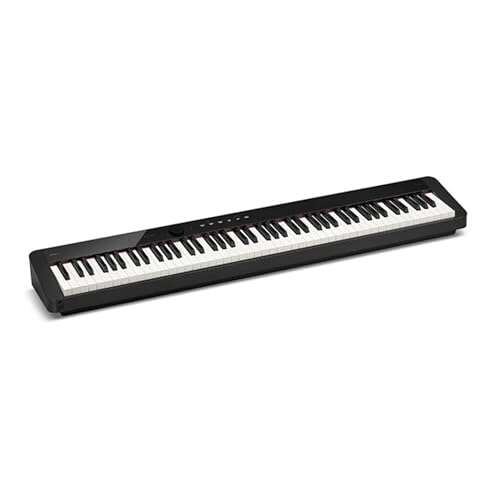
- A weighted-key keyboard or acoustic piano gives the best tone.
- Lighter keys help beginners move faster but use dynamics less well.
Pedal technique
- Use the sustain pedal sparingly for clarity.
- Half-pedal when you need a softer blend.
Recording and practice tech
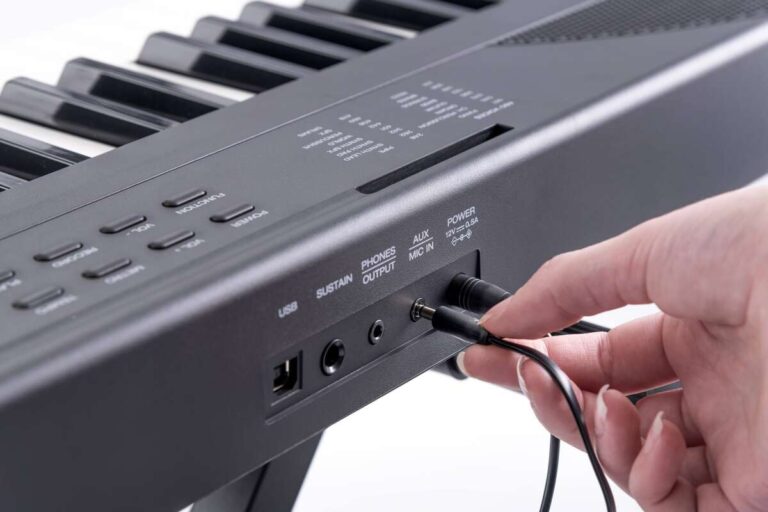
- Use a phone or simple interface to record practice sessions.
- Slow down recordings to analyze timing and phrasing.
Pickup mic and room
- Record in a quiet room with soft surfaces to reduce echoes.
- A single condenser mic placed above the hammers gives a warm piano tone.
Small setup tips from my studio
- Keep a music stand at eye level to avoid hunching.
- Sit at a height where forearms are parallel to the floor. These details make playing comfortable and help you perform how to play a thousand miles on piano with confidence.
Frequently Asked Questions of how to play a thousand miles on piano
What key is A Thousand Miles originally in and can I change it?
The original key is B major. You can change it to C major or G major to suit your voice or skill level. Transposing helps you learn faster.
How long will it take to learn the song on piano?
If you practice 20–30 minutes a day, expect basic fluency in 2–4 weeks. More time is needed for a polished, performance-ready version.
Should I learn the melody or chords first?
Start with the chord loop to feel the harmony, then add the melody in short phrases. That order builds steady timing and confidence.
How do I make my playing sound like the recording?
Match tempo, phrasing, and dynamics first. Then add tasteful pedaling and fuller left-hand voicings to approach the studio sound.
Can beginners play the original key?
Beginners can, but transposing to an easier key is often faster. Work toward the original key once you have the melody and rhythm secure.
Do I need sheet music to learn the song?
Sheet music helps, but you can learn by ear or use chord charts and tabs. Combining methods often yields the best results.
How can I add my own flair without breaking the song?
Keep the core chord loop and melody. Add fills, ornaments, or a different left-hand pattern to personalize the piece. Stay true to the song’s main shape.
Conclusion
You can learn how to play a thousand miles on piano by breaking the song into parts: chords, melody, rhythm, and feel. Start slow, practice with purpose, and use simple arrangements to build confidence. Remember to record yourself, fix small issues, and perform the song for friends to gain stage confidence.
Take one small step today: pick a key, learn the four chords, and play through the melody once. If you enjoyed this guide, try the four-week practice plan above, leave a comment about your progress, or subscribe for more piano tips.

Senior Music Reviewer
Alex Carter is a seasoned music reviewer with over a decade of experience in the world of sound and instruments. Passionate about helping musicians and enthusiasts make informed choices, he brings sharp insights and in-depth knowledge to every review. From classical instruments to modern gear, Alex combines technical expertise with a love for music to deliver content that resonates with readers.
As a Senior Music Reviewer and expert author on Tuneluma.com, Alex is dedicated to sharing honest evaluations, practical advice, and thoughtful commentary to guide readers in their musical journey.